

Why Fine Hair Needs Custom Extension Mapping Before Installation
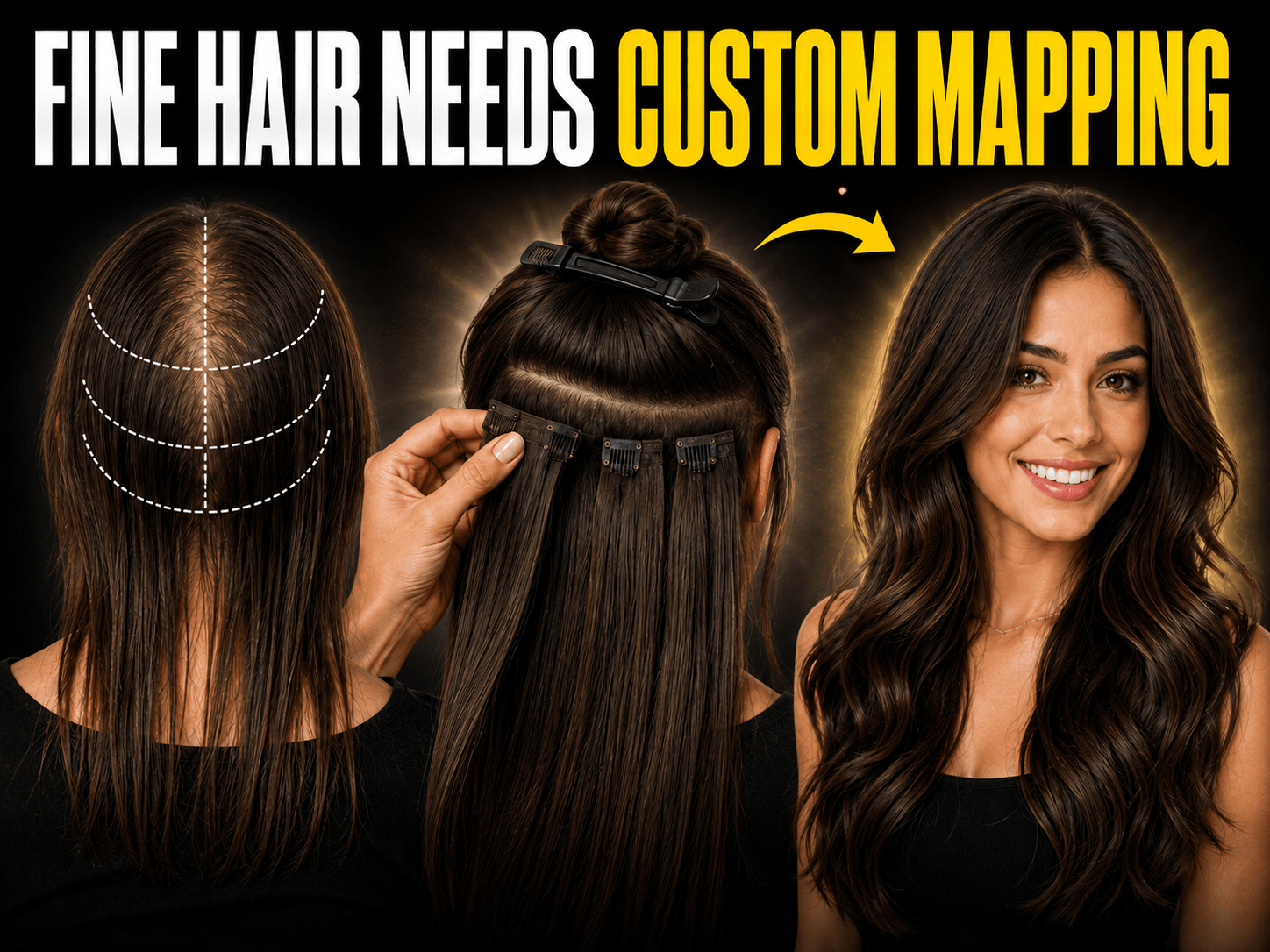
Fine hair often requires a more thoughtful approach when planning permanent hair extensions. Since fine hair usually has less natural density and a different strand structure compared with thicker hair types, extension placement needs to be carefully considered before installation. The goal is not only to add length or volume but also to create a balanced look where the extensions blend naturally with the existing hair.
Many women looking for hair extensions for thin hair are concerned about whether the final result will look natural, feel comfortable, and suit their everyday lifestyle. Custom extension mapping helps address these concerns by creating a personalized installation plan based on the individual’s hair pattern, desired outcome, and styling preferences.
| Table of Content |
Why Fine Hair Needs a Custom Planning
Fine hair requires more attention during extension planning because every person’s natural hair density, texture, and growth pattern can be different. Some women may have fine hair throughout the scalp, while others may notice reduced density in specific areas. These differences affect how extensions should be distributed to create a balanced appearance.
A customized approach helps ensure that the added hair works with the natural hair instead of making certain areas appear heavier or uneven. Before installation, professionals consider the existing hair structure, desired volume, and overall hairstyle goals to create a suitable extension plan.
For fine hair, the planning stage is important because:
- The amount of added hair needs to complement the natural hair.
- Placement should support natural movement and blending.
- The final style should match the wearer’s expectations and lifestyle.
Permanent hair extensions are not a one size fits all solution. A personalized plan helps create a more suitable approach for women who want added length or volume while maintaining a natural appearance.
What Custom Extension Mapping Means Before Installation
Custom extension mapping is the process of planning where and how extensions will be placed before the installation begins. Professionals first assess the natural hair to understand its density, texture, length, and overall pattern. This evaluation helps create a personalized placement strategy based on the individual’s hair characteristics. Instead of following a standard method, the installation is planned according to each person’s unique hair needs.
During the mapping process, professionals consider factors such as natural hair density, desired volume, haircut shape, hair texture, and styling preferences. They also analyze how the hair naturally falls and moves to determine the most suitable placement areas. This detailed assessment helps extensions blend more naturally with the existing hair. It also ensures that the overall hairstyle looks balanced and well-integrated.
A customized mapping plan creates a more organized installation process and supports a natural looking finish. By understanding the structure and movement of the natural hair, professionals can place extensions in a way that complements the individual’s appearance. This approach allows the extensions to work harmoniously with the natural hair while supporting the desired style and volume.
How Mapping Helps Create Balanced Placement
The placement of extensions plays an important role in creating a natural looking hairstyle. For fine hair, careful distribution is especially important because uneven placement can affect the overall shape, balance, and movement of the hair. Professionals consider the natural hair structure when deciding where to place extensions for a seamless blend. This helps create a balanced appearance that complements the individual’s existing hair.
Custom mapping helps professionals plan the placement according to the wearer’s natural hair pattern. Instead of focusing only on adding more hair, the process considers how the extensions will work together with the existing hair.
A well-planned extension map can help with:
-
Better blending:
Placement can be planned to create a smoother transition between natural hair and extensions. Considering hair texture, density, and movement helps extensions blend more naturally with the existing hair. This creates a balanced and seamless overall appearance.
-
Balanced volume:
Extensions can be distributed according to the areas where additional fullness is desired. This helps create a more even shape and allows the hairstyle to maintain a natural flow and proportion.
-
Natural movement:
The positioning of extensions can support natural hair movement and make everyday styling easier. Proper placement helps the extensions flow naturally with the existing hair.
-
Personalized results:
The installation plan can be adjusted based on individual hair goals, texture, and desired look. This allows the final hairstyle to complement each person’s unique needs.
For women with fine hair, the way extensions are placed can be just as important as the type of extensions selected.
Important Factors Considered Before Extension Installation
Before installing permanent hair extensions, several factors are considered to create a plan that suits the individual’s natural hair and desired appearance.
Hair density is one of the most important considerations. Fine hair may have different levels of thickness across the scalp, so professionals need to understand where additional hair can be placed for a balanced result. The natural texture and length of the hair also influence how well extensions will blend.
Other important considerations include:
-
Hair texture:
The extension texture should complement the natural hair pattern for a more seamless appearance. Matching the texture helps the extensions blend naturally with the existing hair.
-
Desired look:
Extension placement can be planned according to the individual’s styling goals. Some women may prefer subtle fullness, while others may want more noticeable length or volume.
-
Daily routine:
Styling habits, work requirements, and lifestyle preferences can influence the extension plan. Considering daily activities helps create a style that feels practical and easy to maintain.
-
Hair condition:
Understanding the current state of natural hair helps create a more suitable installation approach. Factors such as hair strength, density, and overall condition can guide the placement and technique used.
A proper consultation allows the extension plan to be customized rather than relying on a standard method.
Common Concerns Without Proper Extension Planning
Without proper planning, some women may have concerns about how their extensions look, feel, or blend after installation. These concerns can happen when the placement does not match the natural hair pattern, the volume is not evenly distributed, or the extension design is not customized. Fine hair especially requires careful planning because the balance between natural hair and added hair plays an important role in the final appearance.
Some common concerns include extensions looking noticeable instead of naturally blended, uneven volume in certain areas, difficulty creating preferred hairstyles, or the added hair not moving naturally with the existing hair. Custom extension mapping helps address these concerns by allowing professionals to plan placement and distribution before installation begins. This creates a more organized approach that considers the individual needs of the wearer’s hair.
How Custom Mapping Supports a Natural Look
A natural looking extension result depends on how well the extensions blend with the wearer’s existing hair. Custom mapping creates a foundation for better integration by considering individual factors such as hair density, texture, length, and styling preferences before installation.
For women with fine hair, a personalized plan helps determine the right placement, distribution, and overall design of the extensions. This ensures the added hair complements the natural hair while maintaining a balanced and seamless appearance.
A customized approach can support:
- Extensions can be placed strategically to create even fullness and maintain the natural shape of the hairstyle.
- Proper placement helps extensions blend smoothly with existing hair for a more natural transition.
- The installation plan can be adjusted according to desired volume, length, and everyday styling needs.
- Careful planning allows professionals to create a structured approach based on individual hair characteristics.
Hair extensions are designed to complement natural hair, and proper preparation plays an important role in creating a personalized and natural looking result.
Frequently Asked Questions About Extension Mapping for Fine Hair
Q. Why does fine hair need custom extension mapping?
A. Fine hair often has varying density levels and requires careful planning before adding extensions. Custom mapping helps create a placement strategy that works with the individual’s natural hair structure and desired result.
Q. Is extension mapping done before installation?
A. Yes, extension mapping is usually completed before the installation process begins. It helps guide the placement, distribution, and overall design of the extensions for a more organized approach.
Q. Can extension mapping help extensions look more natural?
A. A customized plan can support a more natural appearance by considering the natural hair pattern, placement areas, and desired hairstyle. Proper planning helps extensions blend more smoothly with existing hair.
Q. Are extension placement methods the same for everyone?
A. No, extension placement is not the same for every person. Hair density, texture, length, and styling goals can influence how the extensions are planned and positioned.
Q. What should women with fine hair discuss before getting extensions?
A, Women with fine hair should discuss their desired look, current hair condition, lifestyle, and styling preferences during the consultation. This helps create an extension plan that matches their individual needs.
Q. Does custom mapping only focus on adding volume?
A. No, custom mapping considers more than just volume. It also focuses on blending, placement, movement, and how the extensions work with the wearer’s natural hair.
Conclusion
Fine hair requires careful planning before permanent hair extensions are installed because the natural hair structure influences how the extensions will blend and look. Custom extension mapping helps create a personalized installation plan by considering factors such as hair density, texture, placement, and styling preferences. This approach allows extensions to be designed around the individual’s natural hair rather than using a standard placement method.
By understanding the unique needs of fine hair before installation, professionals can create a more balanced and natural looking hairstyle. A thoughtful mapping process helps determine the right distribution of extensions while supporting better integration with the existing hair. This ensures that the extensions complement the wearer’s overall look and provide a more personalized result.
Have questions about your hair loss journey? 📞+91 9967123333 Call us today, and we'll guide you to the best solution tailored to your needs. Your perfect hair transformation starts with a conversation!
Not sure if extensions are right for your hair type?
Let our team help you choose the most natural and long-lasting option.
👉 [Click here to get expert guidance!]
Read more

How to Maintain a Human Hair Topper and Make It Last Longer
A human hair topper can help add natural-looking coverage, volume, and fullness while blending seamlessly with your existing hair. Since it is made from real human hair, it needs proper care and ge...
Read more
What Type of Wig Is Best After Chemotherapy?
Hair loss during chemotherapy can be an emotional and personal experience. For many women, choosing a wig is a way to maintain familiarity, privacy, and confidence while going through a period of c...
Read moreneed help?


Leave a comment
This site is protected by hCaptcha and the hCaptcha Privacy Policy and Terms of Service apply.