

Why Does the Wrong Hair Topper Density Ruin a Natural Look?
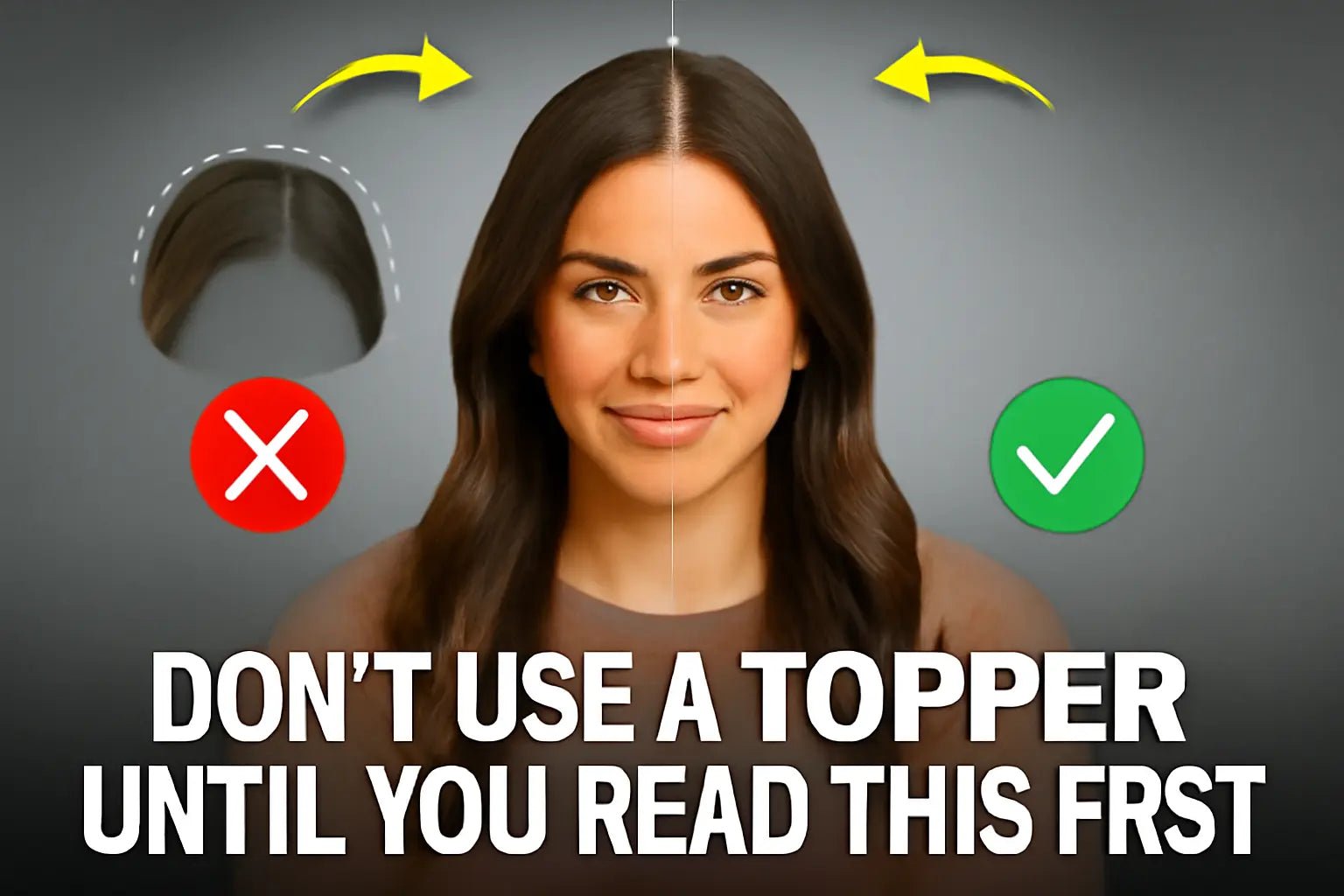
A hair topper is designed to add coverage and volume to areas where hair appears thinner, especially around the crown and top of the head. However, achieving a natural appearance depends on more than choosing the right color, texture, or base size. One of the most important factors is density and the amount of hair attached to the topper.
When the density does not match your natural hair, the topper may appear disconnected from your existing hair rather than blending with it. A topper that is too dense can look noticeably fuller than the surrounding hair, while one with insufficient density may not provide the coverage or volume you expect.
Understanding hair topper density helps you make a more informed choice and avoid one of the most common reasons a hair topper may not look seamless. The goal is not simply to add more hair, but to create balance between your natural hair and the added coverage.
| Table of content |
| Understanding Hair Topper Density |
|
How Density Affects Natural Appearance |
| Signs of the Wrong Density |
|
Choosing the Right Density |
|
Factors That Improve Blending |
|
FAQs About Hair Topper Density |
Understanding Hair Topper Density and Why It Matters
Hair topper density refers to how much hair is attached to the base of the topper. It determines how full, thick, or lightweight the topper appears when worn. Density is different from length or coverage area. A topper can provide coverage over a larger area while still having a lighter density, or it can have a fuller appearance with more hair concentrated on the base.
For women experiencing thinning hair, the aim is usually to restore a natural-looking level of fullness rather than create a completely different hair appearance. The topper should complement the existing hair by matching its overall thickness, movement, and volume.
A suitable density helps the topper:
- Blend naturally with existing hair
- Maintain realistic movement
- Avoid a bulky appearance
- Provide balanced coverage
- Feel comfortable during wear
Many women focus mainly on the size of the topper or the hair material, but density plays an equally important role. Even a well-made topper may appear less natural if the amount of hair does not suit the wearer’s existing hair pattern.
How Incorrect Density Changes the Overall Appearance
The wrong hair topper density can affect how the entire hairstyle looks. Since the topper sits on the top or crown area, any difference in thickness between the topper and natural hair is often more noticeable.
When the Density Is Too High
A topper with more density than needed may create a sudden change between the added hair and the natural hair underneath. Instead of appearing like fuller natural hair, it may look like a separate layer placed over the head.
Some common concerns with excessive density include:
- The crown area may appear heavier than the sides and back of the hair.
- The topper may require more styling to blend with natural hair.
- The overall hairstyle may look different from the wearer’s usual appearance.
- The added volume may not match the person’s natural hair movement.
For women seeking hair toppers for thinning hair, the purpose is generally to restore balance and confidence while maintaining a familiar appearance. Excessive density can make the transformation more noticeable than intended.
When the Density Is Too Low
A topper with very light density may not create the desired coverage or fullness, especially in areas where thinning is more visible.
A lower-density topper may:
- Provide less coverage over sparse areas
- Make the natural scalp area more visible depending on the style
- Require additional styling to achieve the desired shape
- Blend better for some women but not provide enough volume for others
The right choice depends on the amount of existing hair, the area needing coverage, and the final look you want to achieve.
Signs Your Hair Topper Density Does Not Match Your Hair
Choosing density is a personal decision because every woman’s natural hair thickness and styling preferences are different. However, certain signs may indicate that the density is not creating the most natural balance.
A mismatch may be noticeable when:
- The topper looks much fuller than the rest of your hair.
- The transition between topper hair and natural hair is difficult to blend.
- Your hairstyle feels heavier or different from your usual appearance.
- The topper provides coverage but does not feel like part of your own hairstyle.
- You need excessive styling to make the topper and natural hair appear consistent.
A natural-looking hair topper should work with your existing hair rather than overpower it. The best results usually come from creating harmony between the topper density, your natural density, and your preferred hairstyle.
Choosing the Right Density for a Seamless Blend
Selecting the right density requires understanding your current hair condition and the appearance you want to achieve. There is no single density that works for every woman because thinning patterns and personal preferences vary.
Consider these factors when evaluating density:
Your Natural Hair Thickness
The topper should generally complement the amount of hair you already have. Women with fine or thinning hair may prefer a lighter density that blends more easily, while women with thicker natural hair may require a different density to create balance.
The Area of Hair Thinning
The location and extent of thinning can influence the density choice. A topper designed for crown thinning may require a different approach compared with one used for broader coverage.
Your Desired Hairstyle
Your everyday styling habits also matter. Someone who prefers soft, natural movement may choose a different density compared with someone who wants a fuller hairstyle with more volume.
Hair Texture and Movement
Density is not the only factor affecting fullness. Hair texture, length, layering, and styling techniques can change how thick a topper appears. A topper with the same density can look different depending on whether the hair is straight, wavy, or textured.
A professional evaluation can help determine which density works best with your natural hair characteristics and styling goals.
Other Factors That Affect a Natural Hair Topper Look
While density is important, several other elements contribute to a seamless hair topper appearance. Choosing the right combination of features creates a more balanced result.
Base Design
The base of the topper affects how it sits on the scalp and blends with existing hair. Different base designs can offer different levels of scalp appearance, coverage, and comfort.
Hair Color Matching
Even the correct density may not look natural if the hair color does not blend with your own hair. A close color match helps create a smoother transition.
Hair Length and Texture
The topper length and texture should complement your hairstyle. A mismatch in texture can make blending more difficult, even when the density is suitable.
Placement and Styling
How the topper is positioned and styled can influence the final appearance. Proper placement helps the added hair integrate with the natural hair around it.
Comfort and Wearability
A natural-looking topper should also feel comfortable for regular use. Lightweight hair toppers can be preferred by women who want coverage without feeling excessive weight on the head.
FAQ: Common Questions About Hair Topper Density
What does hair topper density mean?
Hair topper density refers to the amount of hair attached to the topper base. It determines how full the topper appears and how well it blends with your natural hair.
Is a thicker hair topper always more natural?
Not necessarily. A thicker topper may not look natural if it does not match your existing hair density. The goal is to create a balanced appearance rather than simply add maximum volume.
Can a hair topper with the wrong density be styled to look natural?
Styling can improve blending, but density remains an important factor. If the difference between the topper and natural hair is significant, styling alone may not completely solve the mismatch.
What density is suitable for thinning hair?
The suitable density depends on your current hair thickness, thinning pattern, hairstyle preferences, and the amount of coverage you need. A personalized assessment can help identify the right option.
Do human hair toppers come in different densities?
Yes, human hair toppers can be designed with different density levels to suit different appearance goals and natural hair conditions.
Can hair topper density affect comfort?
Yes. A topper with more hair may feel heavier for some women, while a lighter density may feel easier to wear. Comfort depends on the topper design, base, and individual preference.
Conclusion
The natural appearance of a hair topper depends on how well it integrates with your existing hair, and density is one of the most important parts of that balance. A topper that closely matches your natural fullness can create a seamless transition, while the wrong density may make the added hair more noticeable.
Choosing the right hair topper density involves considering your hair thickness, thinning area, desired style, and comfort preferences. When these factors work together, a hair topper can provide coverage and volume while maintaining a natural-looking appearance.
Don’t let hair loss hold you back! Call us 📞+91 9967123333 for personalized guidance and solutions designed to meet your unique needs. Take the step toward confidence today!
Worried a topper will look fake or feel heavy? We get it. That’s why we customize our advice based on your needs.👉 [Click here to get topper suggestions just for you.]
Read more
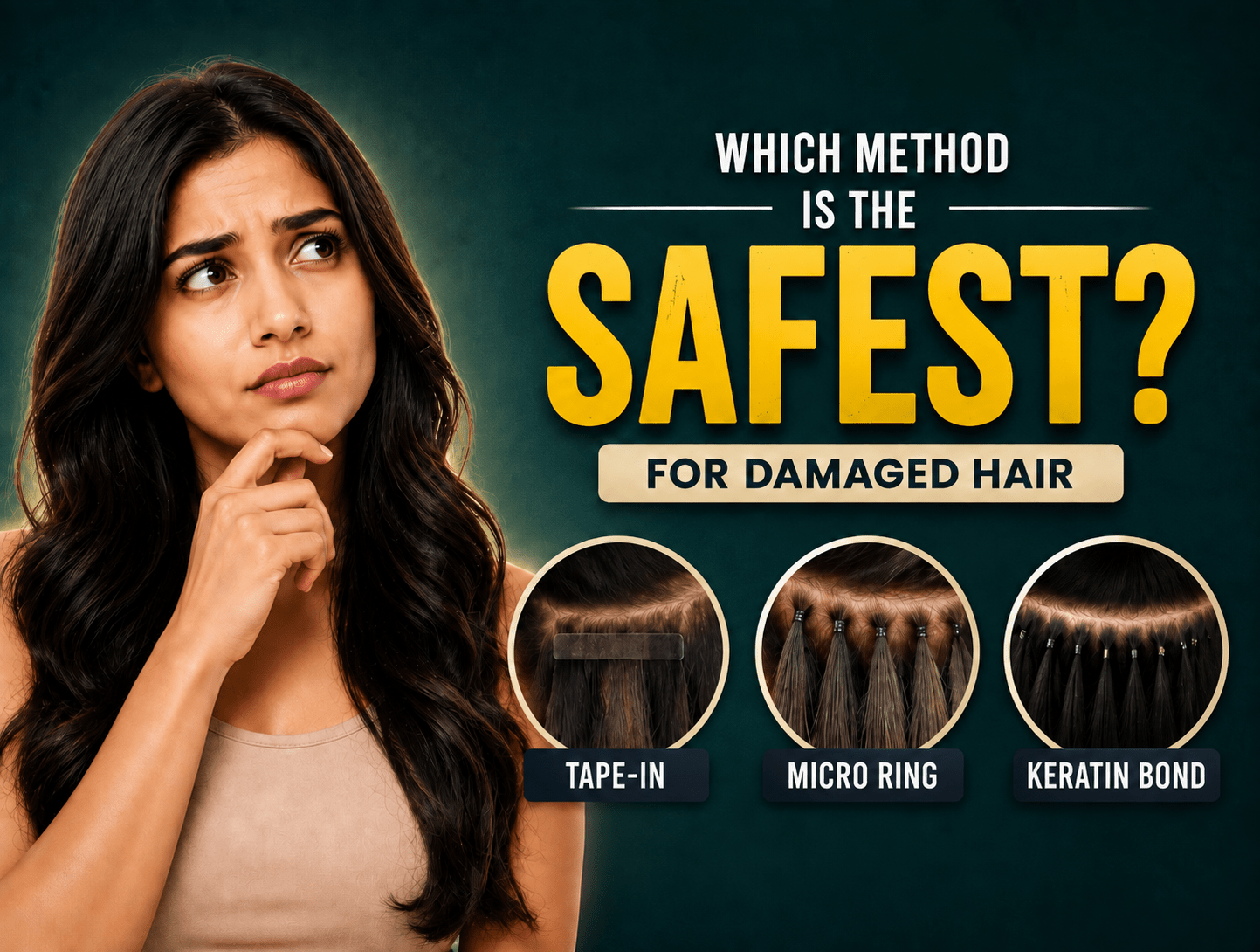
Hair Extensions for Damaged Hair: Which Method Is the Safest?
Damaged hair can make permanent hair extensions feel like a risky decision. You may want fuller, healthier-looking hair, but you may also worry about breakage, thinning, or putting extra stress on ...
Read more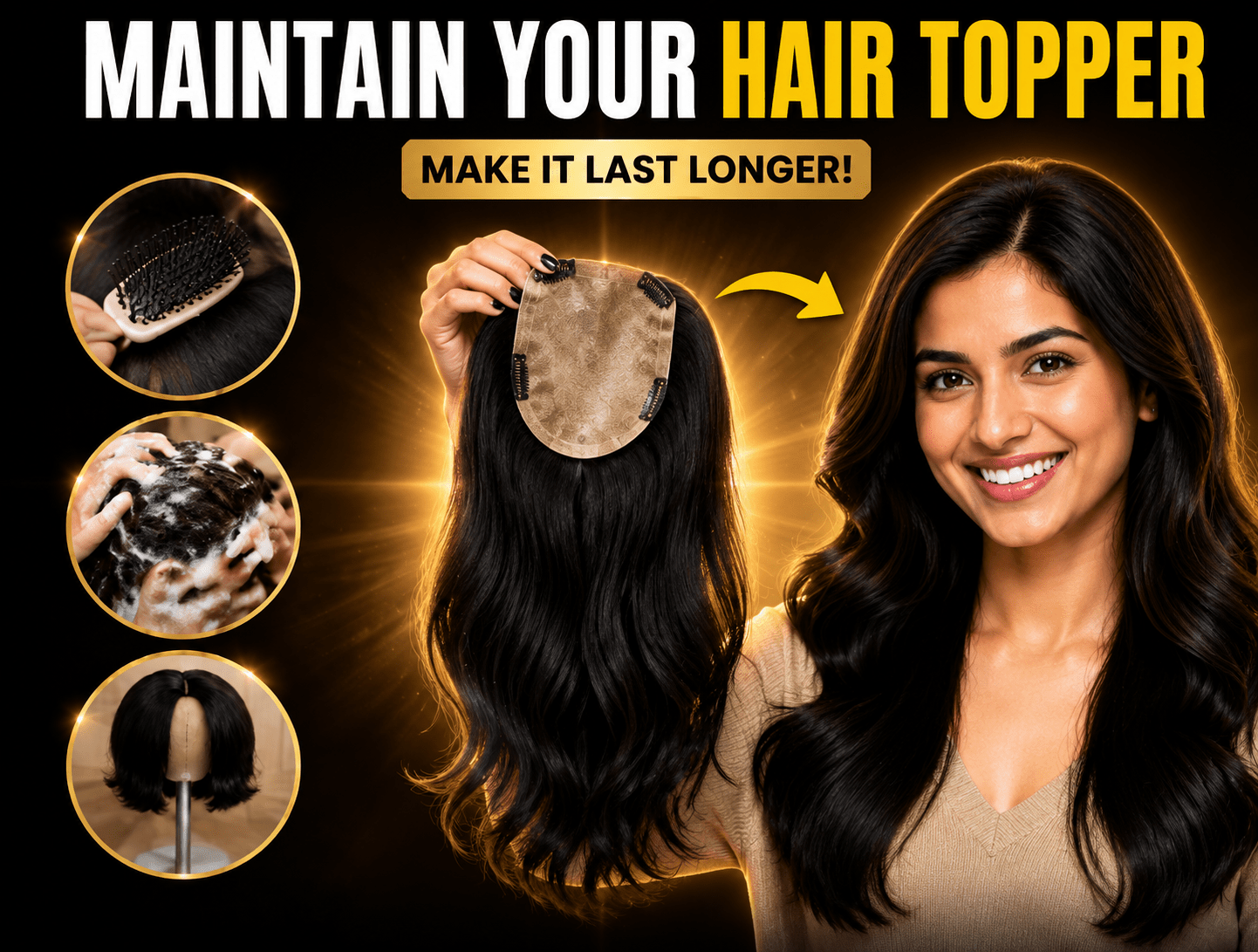
How to Maintain a Human Hair Topper and Make It Last Longer
A human hair topper can help add natural-looking coverage, volume, and fullness while blending seamlessly with your existing hair. Since it is made from real human hair, it needs proper care and ge...
Read moreneed help?


Leave a comment
This site is protected by hCaptcha and the hCaptcha Privacy Policy and Terms of Service apply.