

What Type of Wig Is Best After Chemotherapy?

Hair loss during chemotherapy can be an emotional and personal experience. For many women, choosing a wig is a way to maintain familiarity, privacy, and confidence while going through a period of change.
The right wig after chemotherapy depends on personal preferences, comfort needs, lifestyle, and the type of appearance you want to maintain. Understanding different wig options can make the selection process easier. A suitable wig should feel comfortable, look natural, and fit into your daily routine. Factors such as hair material, cap design, fit, and maintenance requirements can help you decide what works best for you.
| Table of Content |
|
Wig Options After Chemotherapy |
|
Choosing the Right Wig |
|
Human Hair Wig Features |
|
Selecting a Wig for Your Lifestyle |
| Wig Care After Chemotherapy |
| Making the Right Wig Choice |
|
FAQs About Chemotherapy Wigs |
Understanding Wig Options After Chemotherapy
Chemotherapy related hair loss can bring emotional and practical changes to everyday life. For many women, choosing a wig is not only about covering hair loss but also about maintaining a familiar appearance, personal style, and confidence during this transition.
A suitable wig can help women feel more comfortable in social and professional settings while allowing them to express their personality. The right choice depends on individual preferences, comfort needs, and lifestyle.
When choosing cancer wigs, many women consider important factors such as:
- A wig that blends well with facial features, preferred hairstyle, and overall look can help create a more familiar appearance.
- A comfortable fit, lightweight feel, and suitable cap construction can make regular wear easier.
- Some women prefer a wig that closely matches their previous hairstyle, while others choose a new length, color, or style that makes them feel refreshed.
There is no single wig option that is suitable for every woman. The best choice depends on your daily routine, comfort requirements, styling preferences, and what helps you feel most confident during this period.
Factors to Consider Before Choosing a Wig
Choosing a wig after chemotherapy involves looking at more than just the hairstyle. The material, construction, fit, and maintenance requirements all affect the overall experience.
Natural Appearance
Many women searching for wigs for cancer patients want a style that looks realistic and blends naturally with their features.
Important points to consider include:
- Hairline appearance
- Hair texture and movement
- Color matching
- Hair density
- Overall hairstyle
A natural looking wig should feel like an extension of your personal style rather than something that changes your identity.
Comfort and Fit
Comfort is an important factor, especially when the scalp may feel more sensitive during and after treatment.
Look for features such as:
- A comfortable cap design
- Lightweight construction
- Secure fitting
- Soft materials
- Good ventilation
A comfortable fit can help you feel more relaxed while wearing the wig for longer periods.
Lifestyle Requirements
Your daily routine and personal preferences play an important role when selecting a wig after chemotherapy. A wig that fits naturally into your lifestyle can make everyday wear more comfortable and convenient.
Before choosing a wig, consider factors such as:
- Whether you plan to wear the wig every day, occasionally, or only for special events.
Daily activities: Your work routine, social commitments, and regular activities can influence the type of wig that feels most suitable. - Consider whether you prefer a simple, ready-to-wear style or a wig that allows more styling options.
- Think about how much time and effort you are comfortable spending on wig care and styling.
Choosing a wig that matches your lifestyle can help you feel more confident and comfortable, making it easier to include it naturally in your daily routine.
Human Hair Wigs and Their Features
Human hair wigs are often chosen by women who want a natural appearance and styling flexibility. Because they use real human hair, they can provide a look and movement that closely resembles natural hair.
Some features women consider when choosing human hair wigs include:
- Natural texture and appearance
- Styling flexibility
- Ability to customize the hairstyle
- Realistic movement
However, human hair wigs require regular care to maintain their appearance. Proper handling, cleaning, and storage can help preserve the condition of the wig. The best choice depends on your personal preferences, comfort requirements, and how you want to use the wig.
Choosing a Wig Based on Lifestyle and Personal Preferences
A chemotherapy wig should fit naturally into your lifestyle. The ideal choice for someone who wears a wig occasionally for social events may be different from someone who wears one throughout the day.
Consider your daily activities and preferences before making a decision.
For Women Returning to Work
Women who continue working during treatment may prefer a wig that looks natural, feels secure, and requires manageable care. A familiar hairstyle can help create a sense of normal routine in professional settings.
For Everyday Wear
If you plan to wear your wig regularly, comfort becomes one of the most important considerations. A lightweight design with a comfortable fit can make daily wear easier.
For Social Events and Special Occasions
Some women choose wigs mainly for gatherings, celebrations, or moments when they want to feel more styled. In these cases, hairstyle preference and appearance may be the main focus.
Matching Your Previous Hairstyle
Many women choose a wig that resembles their natural hair before treatment. This can provide familiarity during a time when many other changes are taking place.
Matching your previous hairstyle may involve considering:
- Hair length
- Hair color
- Texture
- Parting style
- Overall volume
However, there is no single correct approach. Some women prefer maintaining their previous appearance, while others enjoy experimenting with a different style.
Maintaining Your Wig After Chemotherapy
Proper care can help maintain the appearance and comfort of a wig over time. Maintenance needs vary depending on the wig material and construction.
General care considerations include:
- Following recommended cleaning methods
- Using suitable hair care products
- Storing the wig properly when not in use
- Handling the hair gently during brushing and styling
- Avoiding unnecessary stress on the wig fibers
Taking care of a wig helps preserve its shape, texture, and overall appearance.
How to Feel More Comfortable With Your Wig Choice
Choosing a wig after chemotherapy can involve emotional considerations as well as practical ones. Many women want a solution that allows them to feel confident while maintaining their personal identity. It may help to focus on what makes you feel comfortable rather than what others expect. The right wig is the one that fits your preferences, lifestyle, and sense of self.
Some women feel more comfortable choosing a wig that resembles their previous hair because it provides familiarity and a sense of normalcy. Others may enjoy exploring a new length, color, or style that reflects their personality. Taking time to understand different options can help you find a wig that feels natural, comfortable, and suitable for your lifestyle.
Frequently Asked Questions About Chemotherapy Wigs
Q. What type of wig looks most natural after chemotherapy?
A. Many women look for wigs with natural-looking hairlines, realistic movement, and a comfortable fit. Human hair wigs are often considered by those seeking a natural appearance and styling flexibility.
Q. Are human hair wigs suitable after chemotherapy?
A. Human hair wigs can be an option for women who prefer the feel and appearance of natural hair. The right choice depends on personal preferences, comfort needs, and maintenance expectations.
Q. How do I choose the right wig color after hair loss?
A. Many women choose a color similar to their previous hairstyle for familiarity. Others select a different shade that matches their current preferences and style.
Q. Can I wear a wig every day after chemotherapy?
A. Many women wear wigs regularly during periods of hair loss. Comfort, fit, and scalp sensitivity are important factors to consider when planning regular wear.
Q. How do I make a wig look more natural?
A. A natural appearance can depend on choosing the right fit, hairstyle, color, and cap construction. Proper styling and care can also help maintain a natural look.
Q. Should I choose a short or long wig after chemotherapy?
A. The choice between short and long wigs depends on your personal style, comfort preferences, and maintenance expectations. Some women prefer shorter styles for ease, while others choose longer styles because they match their previous appearance.
Conclusion
Choosing the right wig after chemotherapy is a personal decision that depends on comfort, appearance, lifestyle, and individual preferences. Whether you prefer a familiar hairstyle or want to explore a new look, understanding wig materials, cap types, and maintenance needs can help you make a more informed choice.
A well chosen wig can provide more than a change in appearance it can offer comfort, familiarity, and confidence during a time of transition. Taking the time to explore different options allows you to find a solution that feels right for you.
Confused about hair loss solutions? 📞+91 9967123333 Dial our number today, and let us walk you through options crafted just for your needs. Expert advice is one call away!
Need help finding the most natural wig for your journey?
Whether you’re undergoing treatment or just exploring options, we’re here to guide you with care.
👉 [Fill out this form] and our wig specialists will help you find the perfect match — natural, comfortable, and confidence boosting.
Read more
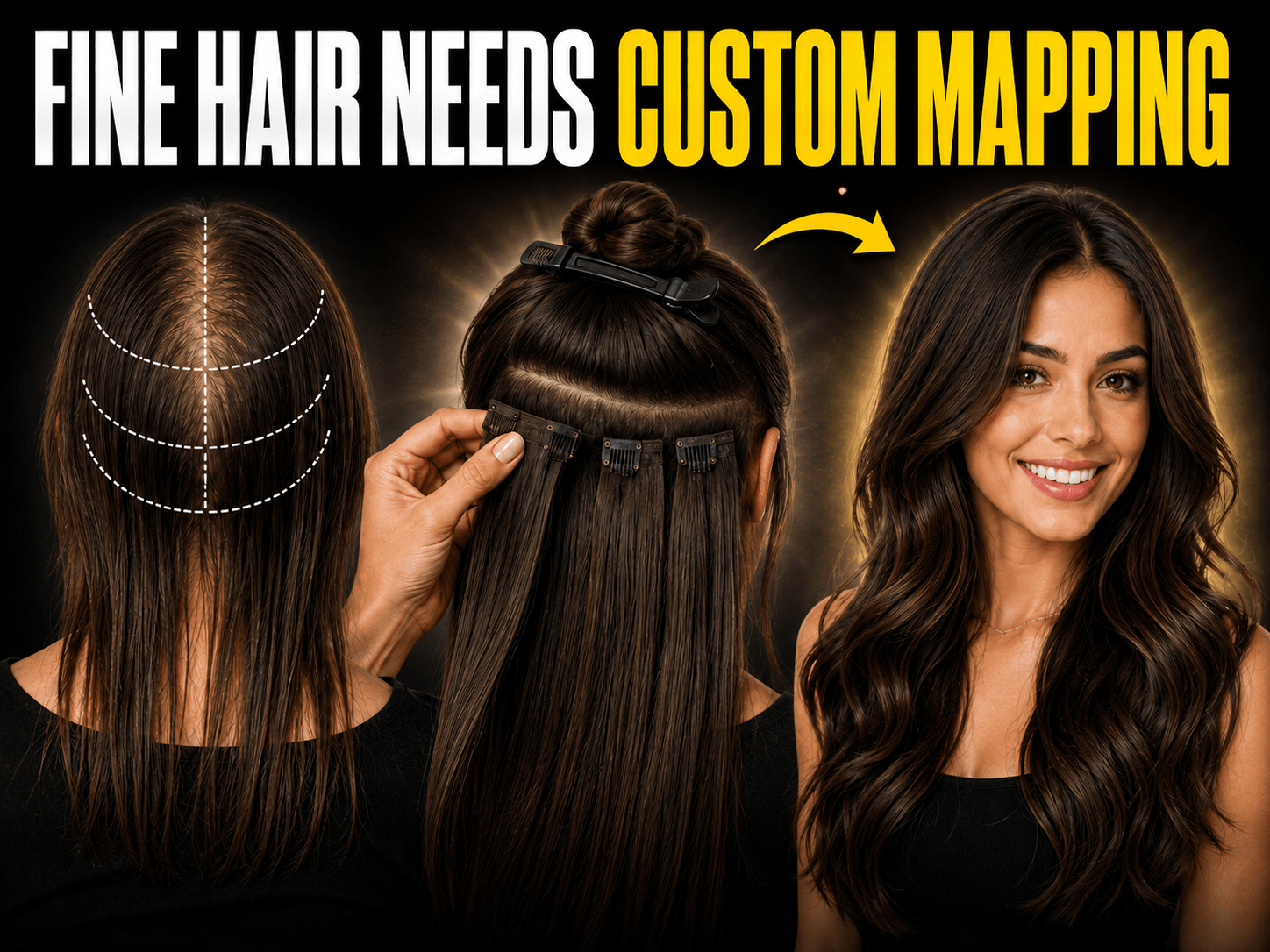
Why Fine Hair Needs Custom Extension Mapping Before Installation
Fine hair often requires a more thoughtful approach when planning permanent hair extensions. Since fine hair usually has less natural density and a different strand structure compared with thicker ...
Read more
How to Choose a Wig Based on Your Face Shape and Lifestyle
Choosing a wig is not only about selecting a hairstyle you like. A wig should complement your facial features, match your personal style, and fit naturally into your everyday routine. Whether you a...
Read moreneed help?


5 comments
https://sakr-eg.jimdosite.com/blog/shrk-nql-aafsh-bmk/
https://emc-mee.jimdosite.com/blog/moving-furniture-abha/
https://emc-mee.jimdosite.com/
https://emc-mee.jimdosite.com/blog/cleaning-jeddah/
https://emc-mee.jimdosite.com/my-services/
https://www.sbnation.com/users/mycanadafitness
https://sakr-eg.jimdosite.com/moving-furniture-jeddah/
https://seg7544.wixsite.com/my-site-1/post/%D8%B4%D8%B1%D9%83%D8%A9-%D9%86%D9%82%D9%84-%D9%88%D8%AA%D8%BA%D9%84%D9%8A%D9%81-%D8%B9%D9%81%D8%B4-%D8%A8%D8%A7%D8%A8%D9%87%D8%A7
https://seg7544.wixsite.com/my-site-1
https://companyservice33.weebly.com/blog1/8069015
https://companyservice33.weebly.com/blog1/1275122
https://companyservice33.weebly.com/blog1
شركة نقل عفش بجدة
https://emc-mee.com/transfer-furniture-tabuk.html شركة نقل عفش بتبوك
https://emc-mee.com/transfer-furniture-abha.html شركة نقل عفش بابها
https://emc-mee.com/transfer-furniture-najran.html شركة نقل عفش بنجران
https://emc-mee.com/transfer-furniture-hail.html شركة نقل عفش بحائل
https://emc-mee.com/transfer-furniture-dhahran.html شركة نقل عفش بالظهران
https://emc-mee.com/transfer-furniture-kuwait.html شركة نقل عفش بالكويت
https://emc-mee.com/price-transfer-furniture-in-khamis-mushit.html اسعار شركات نقل عفش بخميس مشيط
https://emc-mee.com/numbers-company-transfer-furniture-in-khamis-mushit.html ارقام شركات نقل عفش بخميس مشيط
https://emc-mee.com/new-company-transfer-furniture-in-khamis-mushit.html شركة نقل عفش بخميس مشيط جديدة
https://emc-mee.com/transfer-furniture-from-khamis-to-riyadh.html شركة نقل عفش من خميس مشيط الي الرياض
https://emc-mee.com/transfer-furniture-from-khamis-mushait-to-mecca.html شركة نقل عفش من خميس مشيط الي مكة
https://emc-mee.com/transfer-furniture-from-khamis-mushait-to-jeddah.html شركة نقل عفش من خميس مشيط الي جدة
https://emc-mee.com/transfer-furniture-from-khamis-mushait-to-medina.html شركة نقل عفش من خميس مشيط الي المدينة المنورة
https://emc-mee.com/best-10-company-transfer-furniture-khamis-mushait.html افضل 10 شركات نقل عفش بخميس مشيط
https://emc-mee.com/%D8%B4%D8%B1%D9%83%D9%87-%D9%86%D9%82%D9%84-%D8%B9%D9%81%D8%B4-%D8%A8%D8%AC%D8%AF%D9%87.html
https://emc-mee.com/%D8%B4%D8%B1%D9%83%D8%A9-%D9%86%D9%82%D9%84-%D8%A7%D8%AB%D8%A7%D8%AB-%D8%A8%D8%AC%D8%AF%D9%87.html
شركة نقل عفش بجدة
https://jumperads.com/mecca/anti-insects-company-mecca.html شركة مكافحة حشرات بمكة
https://jumperads.com/mecca/water-leaks-detection-company-mecca.html شركة كشف تسربات بمكة
https://jumperads.com/mecca/mecca-company-surfaces.html شركة عزل اسطح بمكة
https://jumperads.com/mecca/mecca-company-sewage.html شركة تسليك مجاري بمكة
https://jumperads.com/mecca/mecca-cleaning-company-sofa.html شركة تنظيف كنب بمكة
https://jumperads.com/mecca/mecca-cleaning-company-mosques.html شركة تنظيف مساجد بمكة
https://jumperads.com/mecca/mecca-cleaning-company-Carpet.html شركة تنظيف سجاد بمكة
https://jumperads.com/mecca/mecca-cleaning-company-tanks.html شركة تنظيف خزانات بمكة
https://jumperads.com/mecca/mecca-cleaning-company-swimming-bath.html شركة تنظيف وصيانة مسابح بمكة
https://jumperads.com/mecca/mecca-cleaning-company-Furniture.html شركة تنظيف الاثاث بمكة
https://jumperads.com/mecca/mecca-cleaning-company-home.html شركة تنظيف شقق بمكة
https://jumperads.com/mecca/mecca-cleaning-company-Carpets.html شركة تنظيف موكيت بمكة
https://jumperads.com/mecca/mecca-cleaning-company.html شركة تنظيف مجالس بمكة
https://jumperads.com/mecca/mecca-cleaning-company-house.html شركة تنظيف منازل بمكة
https://jumperads.com/mecca/mecca-cleaning-company-curtains.html شركة تنظيف ستائر بمكة
https://jumperads.com/mecca/mecca-cleaning-company-Villas.html شركة تنظيف فلل بمكة
https://jumperads.com/mecca/mecca-company-tile.html شركة جلي بلاط بمكة
شركة تنظيف مجالس بمكة
https://www.atar-almadinah.com/%D8%B4%D8%B1%D9%83%D8%A9-%D8%AA%D8%AE%D8%B2%D9%8A%D9%86-%D8%B9%D9%81%D8%B4-%D8%A8%D8%A7%D8%A8%D9%87%D8%A7.html
https://www.atar-almadinah.com/%D8%B4%D8%B1%D9%83%D8%A9-%D8%AA%D8%BA%D9%84%D9%8A%D9%81-%D8%A7%D9%84%D8%B9%D9%81%D8%B4-%D8%A8%D8%A7%D8%A8%D9%87%D8%A7.html
https://www.atar-almadinah.com/%D8%B4%D8%B1%D9%83%D8%A9-%D8%AA%D8%BA%D9%84%D9%8A%D9%81-%D8%A7%D8%AB%D8%A7%D8%AB-%D8%A8%D8%A7%D9%84%D8%B1%D9%8A%D8%A7%D8%B6.html
https://www.atar-almadinah.com/%D8%B4%D8%B1%D9%83%D8%A9-%D8%A7%D9%84%D8%B5%D9%81%D8%B1%D8%A7%D8%AA-%D9%84%D9%86%D9%82%D9%84-%D8%A7%D9%84%D8%B9%D9%81%D8%B4-%D8%A8%D8%A7%D9%84%D8%B1%D9%8A%D8%A7%D8%B6.html
https://www.atar-almadinah.com/%D8%B4%D8%B1%D9%83%D8%A9-%D9%86%D9%82%D9%84-%D8%B9%D9%81%D8%B4-%D8%A8%D8%A7%D8%AD%D8%AF-%D8%B1%D9%81%D9%8A%D8%AF%D8%A9.html
https://www.atar-almadinah.com/%D8%A7%D8%B1%D8%AE%D8%B5-%D8%B4%D8%B1%D9%83%D8%A7%D8%AA-%D9%86%D9%82%D9%84-%D8%B9%D9%81%D8%B4-%D8%A8%D9%8A%D9%86-%D8%A7%D9%84%D9%85%D8%AF%D9%86.html
شركة الصقر الدولي ارخص شركات نقل عفش
شركة مكافحة حشرات بالجبيل وكذلك شركة كشف تسربات المياه بالجبيل وتنظيف خزانات وتنظيف الموكيت والسجاد والكنب والشقق والمنازل بالجبيل وتنظيف الخزانات بالجبيل وتنظيف المساجد بالجبيل شركة تنظيف بالجبيل تنظيف المسابح بالجبيل
https://jumperads.com/jubail/anti-insects-company-jubail.html شركة مكافحة حشرات بالجبيل
https://jumperads.com/jubail/water-leaks-detection-company-jubail.html شركة كشف تسربات بالجبيل
https://jumperads.com/jubail/jubail-company-surfaces.html شركة عزل اسطح بالجبيل
https://jumperads.com/jubail/jubail-company-sewage.html شركة تسليك مجاري بالجبيل
https://jumperads.com/jubail/jubail-cleaning-company-sofa.html شركة تنظيف كنب بالجبيل
https://jumperads.com/jubail/jubail-cleaning-company-mosques.html شركة تنظيف مساجد بالجبيل
https://jumperads.com/jubail/jubail-cleaning-company-Carpet.html شركة تنظيف سجاد بالجبيل
https://jumperads.com/jubail/jubail-cleaning-company-tanks.html شركة تنظيف خزانات بالجبيل
https://jumperads.com/jubail/jubail-cleaning-company-swimming-bath.html شركة تنظيف وصيانة مسابح بالجبيل
https://jumperads.com/jubail/jubail-cleaning-company-Furniture.html شركة تنظيف الاثاث بالجبيل
https://jumperads.com/jubail/jubail-cleaning-company-home.html شركة تنظيف شقق بالجبيل
https://jumperads.com/jubail/jubail-cleaning-company-Carpets.html شركة تنظيف موكيت بالجبيل
https://jumperads.com/jubail/jubail-cleaning-company.html شركة تنظيف مجالس بالجبيل
https://jumperads.com/jubail/jubail-cleaning-company-house.html شركة تنظيف منازل بالجبيل
https://jumperads.com/jubail/jubail-cleaning-company-curtains.html شركة تنظيف ستائر بالجبيل
https://jumperads.com/jubail/jubail-cleaning-company-Villas.html شركة تنظيف فلل بالجبيل
https://jumperads.com/jubail/jubail-company-tile.html شركة جلي بلاط بالجبيل
شركة جلي بلاط بالجبيل
Leave a comment
This site is protected by hCaptcha and the hCaptcha Privacy Policy and Terms of Service apply.