

Why Wig Customization Makes Such a Big Difference
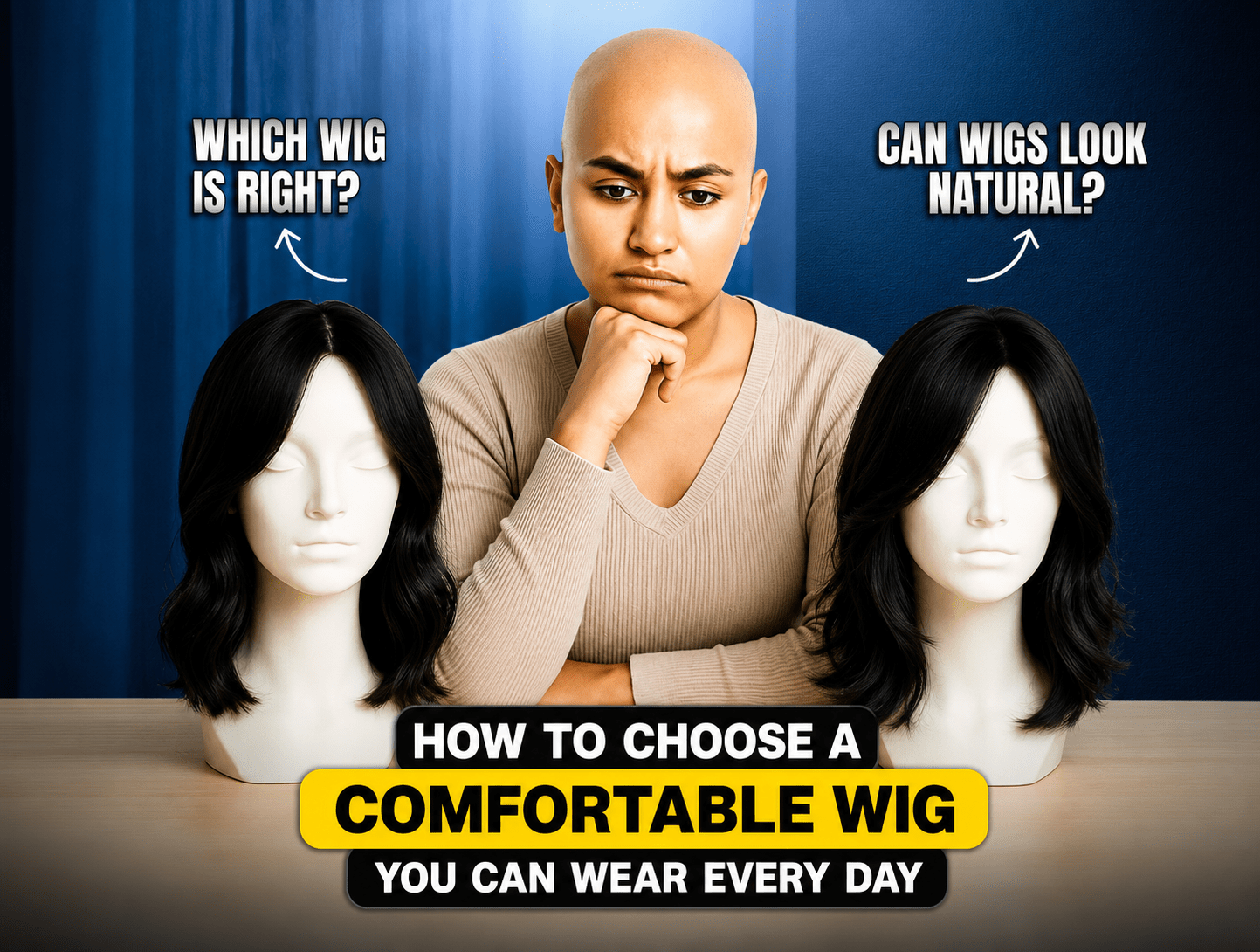
A wig may look beautiful in the display and still feel very different when you wear it. It often comes down to the details of the fit, the hairline placement, the density, the parting, the color, the texture, and how the hair frames your face. Customizing these elements can make the wig feel a lot more integrated with your look, rather than looking like a pre-made hairstyle put on top of your head.
Thus, wig customization is more than simply cutting or styling hair. It takes into account how the wig works with your head shape, facial features, personal style and everyday routine. These little tweaks can make a big difference in terms of comfort, look and confidence for women who desire natural-looking wigs.
| Table of Contents |
What Does Wig Customization Really Mean?
Wig customization means adapting a wig to suit the individual wearer instead of expecting one standard design to work equally well for everyone. Two women may choose similar human hair wigs but need completely different adjustments to achieve a balanced appearance. One person may prefer a softer hairline and less fullness around the face, while another may want more volume through the crown and a different parting position.
Customization can involve both structural and styling changes. Some changes focus on how the wig sits, while others focus on how the hair looks once it is worn. The exact level of customization depends on the wig construction and the result the wearer wants to achieve.
Common areas that may be personalized include:
- Cap fit and placement
- Hairline position
- Parting direction
- Hair density
- Hair color and tone
- Texture
- Length
- Face-framing layers
- Overall haircut and styling
It is also important to understand the difference between customization and regular styling. Styling changes how the hair is arranged, such as adding waves, straightening the hair, or changing the direction of the part. Customization looks at the overall relationship between the wig and the person wearing it, including proportion, placement, shape, and visual balance.
Why Fit Is the Foundation of a Natural Look
Before considering hairstyle or color, the fit of the wig needs attention. A wig that does not sit correctly can affect the position of the hairline, the way the sides fall around the face, and how secure the wig feels throughout the day. Even a beautifully styled wig may look less natural if the cap is sitting too far forward, too far back, or unevenly.
Head shape and measurements vary from person to person. This is why the same wig can feel comfortable on one wearer and less suitable on another. A personalized fit helps the wig sit in the intended position while maintaining a secure and balanced feel.
The fit can influence several important details:
-
Hairline placement:
The front of the wig should sit in a position that looks proportionate to the forehead and face.
-
Temple area:
The sides should sit naturally without looking too wide or too narrow.
-
Ear area:
The wig should align comfortably around the ears without unnecessary pressure.
-
Crown position:
The top of the wig should sit correctly so the hairstyle falls naturally.
-
Security:
The cap should feel stable without needing to be excessively tight.
A secure fit does not mean tightening the wig as much as possible. Too much pressure may make the wearing experience uncomfortable, especially during extended wear. The aim is to achieve a fit that feels stable while allowing the wearer to move naturally and comfortably.
Hairline, Parting, and Density: The Details People Notice
The hairline is one of the most visually important areas of a wig because it frames the face. If the front looks too dense, sits in an unfamiliar position, or has an overly uniform shape, the overall result may feel less natural. Customizing the front can help create a softer transition between the forehead and the hair.
The ideal hairline is not the same for every woman. Natural hairlines vary in shape, height, and density, so customization should consider facial proportions rather than trying to create one universal look. The way the wearer normally styles her hair also matters, especially if she prefers hairstyles that expose the front or temples.
Parting is another detail that can change the appearance significantly. A center part creates a different visual balance from a side part, and the placement of the part can affect how the hair frames the face. Choosing a familiar parting direction may also make the wig feel more like the wearer’s usual hairstyle.
Density refers to how much hair is present and how full the wig appears. More density does not automatically mean a more natural result. The right level of fullness depends on the wearer’s preferred hairstyle, facial features, hair length, texture, and overall look.
When considering density, it can help to look at:
- Fullness around the hairline
- Volume through the crown
- Density near the sides of the face
- Thickness through the lengths
- How the ends fall after styling
The goal is visual balance. A wig should not necessarily look as full as possible; it should have the amount of hair that works naturally with the intended style and the person wearing it.
Matching Color, Texture, Length, and Style
Color is one of the first things people notice about hair, but selecting a wig color involves more than choosing a basic shade name. Undertones, dimension, highlights, and the way the color looks in different lighting can all affect the finished result. A shade that looks suitable indoors may appear different in natural daylight.
For women who want their wig to resemble their previous or natural hairstyle, color matching can be especially important. Looking at the overall tone of the hair rather than focusing only on whether it is brown, black, or another shade can create a more harmonious result. Skin tone, eye color, and personal preference can also influence which shades feel most natural.
Texture affects both appearance and movement. Straight, wavy, and curly textures distribute volume differently and can change the way the hair frames the face. Someone who has always worn soft waves may feel more comfortable with a similar texture than with very straight hair, even when both options are attractive.
Length should also be chosen with proportion in mind. The same length can look completely different on two women because of differences in height, face shape, hair density, and texture. A personalized haircut can refine the length so the wig feels intentional rather than simply long or short.
Important styling considerations may include:
- Whether the hair should frame or open up the face
- Where layers should begin
- How much movement is needed through the lengths
- Whether the wearer prefers a center or side part
- How much daily styling she wants to do
- Whether the style suits professional, casual, and social settings
For human hair wigs, thoughtful cutting and styling can make a noticeable difference because the final shape can be adapted around the person wearing it. Once the wig is fitted properly, the haircut can be refined according to facial proportions rather than relying only on the original style.
How Customization Can Improve Everyday Comfort
A wig does not only need to look right in the mirror. It also needs to feel manageable during normal daily activities. If you constantly think about whether your wig has shifted, feels too tight, or needs repeated styling corrections, the wearing experience can become distracting.
Customization can address some of these practical concerns by improving fit, positioning, and hairstyle behavior. When the wig sits where it should and the style already reflects your preferences, you may spend less time trying to make it look right each time you wear it.
Everyday comfort can be influenced by:
- How the cap sits on the head
- Whether there is unnecessary pressure in certain areas
- The overall weight and density of the hairstyle
- How the hair falls around the face
- Whether the length suits your daily routine
- How much styling is needed before leaving home
Comfort is highly individual. One wearer may prefer a fuller style, while another feels more comfortable with a lighter appearance. Some women enjoy changing their hairstyle regularly, while others want a consistent look that requires less daily adjustment.
For women who wear wigs for hair loss, customization may also carry an emotional benefit. A familiar color, parting, length, or overall silhouette can help preserve a sense of continuity in appearance. The aim is not to create a completely different identity unless that is what the wearer wants, but to make the wig feel personally appropriate.
Which Wig Details Should You Personalize?
Not every wig needs extensive alteration. The most useful customizations are the ones that solve a specific concern or help the wig fit more naturally with the wearer’s appearance. Focusing on the right details is usually more valuable than changing everything simply because customization is possible.
Fit
Fit should usually be considered first because it affects nearly every other element. If the wig sits incorrectly, the hairline, parting, and overall hairstyle may also look misplaced. A secure and comfortable foundation makes later styling decisions easier.
Hairline
The hairline should work with your forehead, facial proportions, and preferred hairstyle. A softer or more carefully positioned front can help the wig frame the face more naturally. This becomes especially important when the hair is worn away from the forehead.
Parting
Your preferred parting can strongly influence how familiar the wig feels. If you have worn a side part for many years, suddenly switching to a strong center part may make the hairstyle feel unfamiliar. Choosing a suitable part can help preserve the visual balance you are used to seeing.
Density
Density should complement the style rather than overpower it. Extremely full hair may not suit everyone, just as very low density may not create the desired appearance. The right amount of fullness depends on length, texture, face shape, and personal preference.
Color
Color should be evaluated as part of the complete look. Instead of focusing only on a shade name, consider how the tone works with your complexion and how it appears in ordinary lighting. If you are trying to recreate a previous hairstyle, color matching becomes even more important.
Texture
The texture influences movement, volume, and maintenance. Straight hair creates a different silhouette from wavy or curly hair, even when the length and density are similar. Choosing a texture that fits your preferences can make styling feel more intuitive.
Final Cut and Styling
A final haircut can bring all the customized elements together. Small changes to layers, face framing, or length can make the hairstyle feel more proportionate. The finished style should suit both your appearance and the way you realistically want to wear your wig.
Frequently Asked Questions About Wig Customization
What parts of a wig can usually be customized?
Depending on the wig construction, customization may include fit, hairline, parting, density, color, texture, length, cutting, and styling. Some wigs allow more changes than others, so the original cap and hair construction should always be considered. The goal is to personalize the areas that make the greatest difference for the wearer.
Does customization make a wig look more natural?
It can help significantly when the changes are appropriate for the individual. Adjustments to the hairline, parting, density, color, and shape can make the wig look more balanced with the wearer’s features. Natural appearance usually comes from several small details working together rather than one single feature.
Is wig fit really that important?
Yes, because fit affects both appearance and comfort. A wig that is positioned correctly will usually sit more naturally around the forehead, temples, ears, and crown. It can also reduce the need to repeatedly adjust the wig during the day.
Can a wig be customized to resemble my natural hair?
Many elements can often be selected or adjusted to create a familiar appearance, including color, texture, length, parting, and haircut. The result depends on the individual wig and the amount of customization it allows. Reference photographs can also be useful when trying to recreate a previous style.
Does a natural-looking wig always need less density?
No. The appropriate density depends on the wearer, hairstyle, hair length, texture, and overall proportions. Some styles naturally require more fullness, while others look more balanced with a softer density. The aim is not simply to reduce hair but to choose the right distribution of volume.
Can human hair wigs be restyled?
Human hair wigs can generally offer flexibility for cutting and styling, although the amount of change that is appropriate depends on the wig. Major alterations to the cap, hairline, or color require more careful consideration than everyday styling. A well-planned approach helps preserve the intended appearance of the wig.
Is customization only important for women experiencing hair loss?
No. Wig customization can benefit anyone who wants a more personalized fit and hairstyle. Some women wear wigs because of hair loss, while others simply enjoy changing their appearance or want a convenient styling option. In every case, customization focuses on making the wig work for the individual rather than using a one-size-fits-all approach.
Conclusion
Wig customization makes a big difference because natural-looking results rarely depend on one feature alone. Fit, hairline, parting, density, color, texture, length, and styling all influence how a wig relates to your face and overall appearance. When these elements are considered together, the finished hairstyle can feel more balanced, comfortable, and personal.
The most effective customization is not about changing every detail. It is about identifying the areas that matter most to you and refining them thoughtfully. A wig that reflects your proportions, preferences, and everyday lifestyle is more likely to feel like a natural part of how you choose to present yourself.
Not sure where to begin with hair loss solutions? 📞+91 9967123333 Contact us now, and let our experts recommend the ideal choice for you. Personalized advice is just a call away!
You don’t have to figure this out alone.
Tell us a few details, and our caring experts will help you find the right wig for your comfort and confidence.
👉 [Fill out the form here.]
Read more
Micro Ring Extensions: How They Work, Who They Suit and How They Are Removed
Micro ring extensions are a popular option for women who want to add length, volume or subtle colour effects without using traditional glue or adhesive strips. The method uses tiny rings to connect...
Read more
How to Choose the Right Hair Topper Density for a Natural Look
Choosing a hair topper is not simply about adding as much hair as possible. If your goal is a natural appearance, the topper needs to complement the amount, thickness, texture, and movement of the ...
Read moreneed help?


Leave a comment
This site is protected by hCaptcha and the hCaptcha Privacy Policy and Terms of Service apply.