

How to Choose a Wig Based on Your Face Shape and Lifestyle
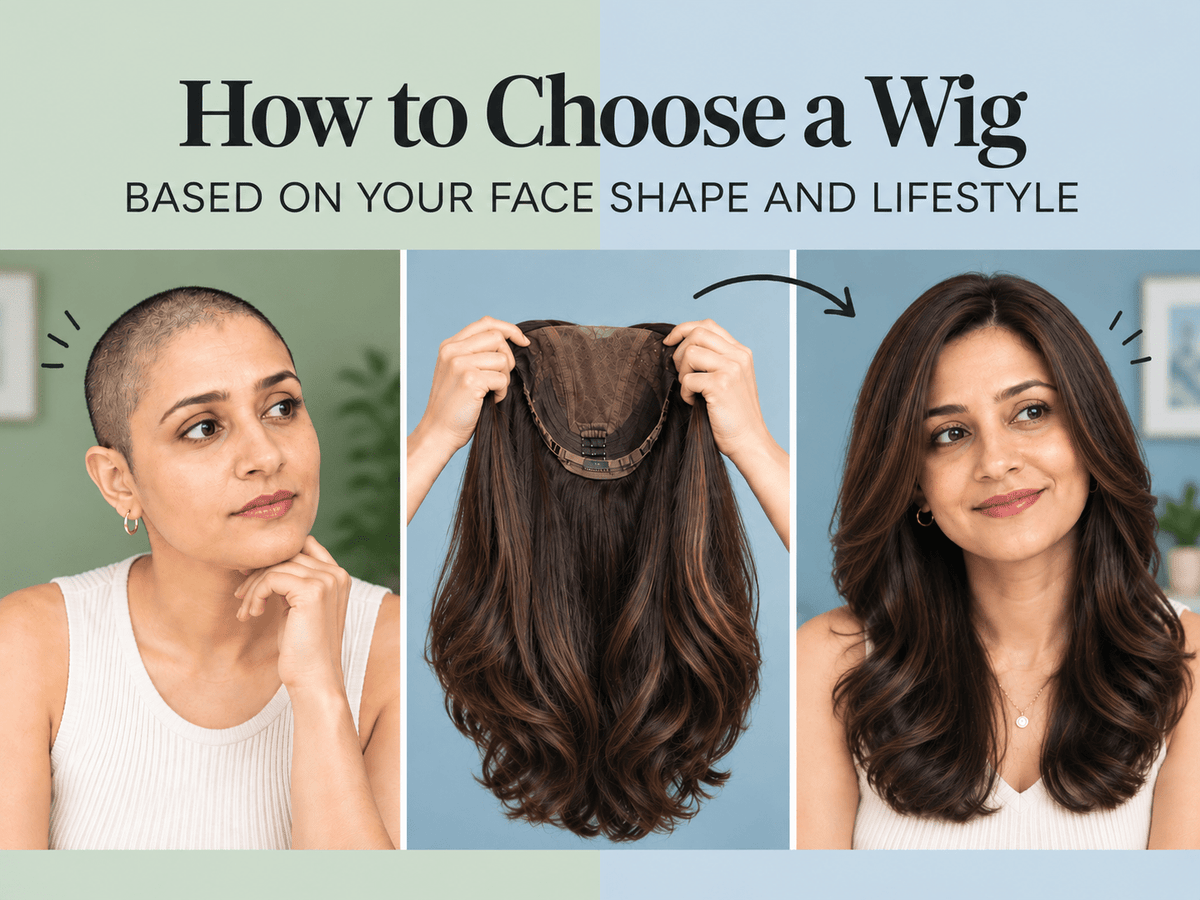
Choosing a wig is not only about selecting a hairstyle you like. A wig should complement your facial features, match your personal style, and fit naturally into your everyday routine. Whether you are exploring wigs due to hair thinning, hair loss, a medical journey, or simply looking for a different appearance, understanding how different styles work with your face shape and lifestyle can help you make a more informed choice.
A well chosen wig can enhance your overall appearance by creating balance between your hairstyle and facial features. Factors such as length, volume, texture, parting style, and hairline design all influence how a wig frames your face. At the same time, your daily activities, comfort preferences, and styling habits play an important role in deciding which wig will feel practical for regular wear.
| Table of Content |
|
Face Shape and Wig Selection |
|
Identifying Your Face Shape |
|
Wig Styles for Different Face Shapes |
| Choosing a Wig for Your Lifestyle |
|
Key Factors Before Choosing a Wig |
|
FAQs About Choosing a Wig |
Understanding the Connection Between Face Shape and Wig Selection
Every person has unique facial features, and different wig styles can create different visual effects. The right wig does not need to completely change your appearance; instead, it should work with your natural features and create a balanced look. Face shape is determined by the proportions of your forehead, cheekbones, jawline, and face length. Understanding these proportions can help you select hairstyles that highlight your preferred features and create a flattering overall appearance.
For example, some wig styles add softness around sharper facial features, while others create structure for softer face shapes. The goal is not to follow strict rules but to understand which shapes, lengths, and textures naturally complement your appearance.
When choosing a wig, consider:
- How the hairstyle frames your cheeks and jawline
- Whether the length balances your facial proportions
- How the hair volume is distributed
- Whether the parting style suits your natural features
- How comfortable you feel wearing the style
A natural looking wig should feel like an extension of your personal style rather than something separate from your appearance.
How to Identify Your Face Shape Before Choosing a Wig
Before exploring different wig styles, it helps to identify your face shape. You can do this by looking at the widest areas of your face and comparing the relationship between your forehead, cheekbones, jawline, and face length.
The most common face shapes include:
Oval Face Shape
An oval face is usually longer than it is wide, with a softly rounded jawline. Many different wig styles can complement this balanced shape because the facial proportions are naturally even.
Round Face Shape
A round face generally has similar width and length measurements with softer angles. Hairstyles that create height at the crown or add length can help create a more elongated appearance.
Square Face Shape
A square face often has a stronger jawline and similar width across the forehead, cheeks, and jaw. Softer textures, layers, and movement can help create a balanced look.
Heart Face Shape
A heart shaped face typically has a wider forehead and a narrower chin. Styles that add volume around the jawline can help create harmony between the upper and lower parts of the face.
Long Face Shape
A long face shape has greater length compared to width. Medium-length styles with volume on the sides can help create a balanced appearance.
Diamond Face Shape
A diamond face shape usually has prominent cheekbones with a narrower forehead and jawline. Hairstyles that soften the cheek area or add fullness near the forehead and chin can complement this shape.
While face shape can provide guidance, it should not limit your choices. Personal preference, confidence, and comfort are equally important when selecting a wig.
Choosing Wig Styles for Different Face Shapes
Different wig lengths and styles can create different effects. Understanding how styles interact with facial features can make the selection process easier.
Wigs for Oval Face Shapes
An oval face shape works well with many wig styles because the proportions are naturally balanced. You may consider:
- Short wigs that highlight facial features
- Medium length styles with layers
- Longer styles with natural movement
- Different parting options
The main focus is maintaining balance and choosing a style that matches your personality.
Wigs for Round Face Shapes
For round face shapes, hairstyles that add length or create vertical movement can help provide a more balanced appearance.
Suitable options may include:
- Longer wig styles
- Layered cuts that fall below the chin
- Styles with volume near the crown
- Side parting for added movement
Avoiding excessive width around the cheeks may help maintain a more elongated look.
Wigs for Square Face Shapes
Square face shapes often look balanced with hairstyles that soften strong angles.
- Layered wigs with gentle movement
- Waves or soft textures
- Medium length styles
- Hairstyles that frame the face
Soft shapes can create a natural transition around the jawline.
Wigs for Heart Face Shapes
Heart shaped faces can benefit from styles that add balance near the lower face.
Options may include:
- Chin length or shoulder length wigs
- Layered styles
- Styles with fullness around the jaw area
- Natural waves or soft curls
These styles can help create proportion between the forehead and chin.
Wigs for Long Face Shapes
For longer face shapes, adding width and movement can create a balanced appearance.
It Consider:
- Medium length wigs
- Layered cuts
- Wavy textures
- Styles with side volume
Very long, straight styles may visually add more length, so choosing the right proportion is important.
Selecting a Wig Based on Your Lifestyle
Face shape is only one part of choosing a wig. Your daily routine and personal needs are equally important. A hairstyle that looks beautiful but does not fit your lifestyle may become difficult to manage over time.
Think about how often you plan to wear the wig, where you will wear it, and how much styling effort you prefer.
For Everyday Wear
If you plan to wear a wig regularly, comfort and practicality become important considerations.
You may want to consider:
- A style that matches your usual appearance
- A manageable length that fits your routine
- A comfortable fit for extended wear
- A texture that does not require frequent styling
Many women prefer natural looking wigs for daily use because they allow them to maintain a familiar appearance while fitting easily into their routine.
For Professional Settings
Women who wear wigs in professional environments often prefer styles that look polished and natural.
It Consider:
- Classic cuts
- Natural colors
- Comfortable designs
- Hairstyles that are easy to maintain during busy schedules
A professional wig style should allow you to focus on your work without constant concern about your appearance.
For Social Events and Special Occasions
Some women choose wigs for events where they want to explore a different style or create a more polished appearance.
You may consider:
- Different lengths
- More volume or texture
- Styles that match your outfit and personal preferences
Special occasion wigs can offer flexibility while allowing you to experiment with different looks.
For Women Experiencing Hair Loss
For women experiencing hair loss, choosing a wig can involve both practical and emotional considerations. Many women look for styles that help them maintain a familiar appearance and feel comfortable in different situations.
Important factors may include:
- A natural looking hairline
- Comfortable construction
- A style that reflects personal identity
- Easy maintenance
The right choice depends on individual preferences and what makes you feel most comfortable.
Important Features to Consider Before Choosing a Wig
Beyond face shape and lifestyle, several wig features can influence your overall experience.
Hair Material
Human hair wigs are made from real human hair and can offer a natural appearance and styling flexibility. Understanding the differences between materials can help you select an option that matches your expectations.
Length and Density
The length and fullness of a wig can significantly affect your overall look. A shorter style may feel easier to manage, while longer styles may offer more styling possibilities.
Consider:
- Your comfort with different lengths
- The amount of styling you prefer
- Whether the volume feels natural for your appearance
Hairline and Parting
The hairline plays an important role in how natural a wig appears. Features such as realistic parting and a well-designed hairline can influence how the wig blends with your facial features.
Comfort and Fit
A comfortable fit is essential, especially if you plan to wear a wig for longer periods.
Consider:
- Secure fitting
- Lightweight feel
- Breathability
- Adjustability
A wig should feel comfortable enough that you can move through your day confidently.
Maintenance Requirements
Different wigs require different levels of care. Before choosing a wig, consider how much time you want to spend on washing, styling, and maintaining it.
A practical choice is one that fits your routine without creating unnecessary difficulty.
Frequently Asked Questions About Choosing a Wig
Q. How do I know which wig style suits my face shape?
A. Start by identifying your face shape and understanding which hairstyles create balance with your natural features. However, your personal preference and comfort should also guide your final choice.
Q. Can one wig style suit different face shapes?
A. Yes. Many wig styles can work with different face shapes depending on length, texture, volume, and how the hairstyle is customized.
Q. Should I choose a wig based only on my face shape?
A. No. Face shape is one factor, but lifestyle, comfort, maintenance preferences, and personal style are equally important when choosing a wig.
Q. Are human hair wigs easier to style?
A. Human hair wigs can offer styling flexibility because they behave similarly to natural hair. However, they still require proper care and maintenance to preserve their appearance.
Q. What type of wig is suitable for daily wear?
A. A suitable daily wear wig is one that matches your routine, feels comfortable, and requires a level of maintenance you can manage consistently.
Q. How can I make my wig look more natural?
A. Choosing the right color, hairstyle, fit, and hairline design can help create a more natural appearance. Proper care and styling also contribute to a realistic look.
Conclusion
Choosing a wig based on your face shape and lifestyle can make the experience more comfortable and personalized. While your facial features can guide you toward flattering styles, your daily routine, comfort preferences, and confidence should remain central to your decision.
A thoughtfully selected wig should feel natural, practical, and aligned with your identity. By considering factors such as face shape, lifestyle needs, fit, and maintenance, you can choose a style that supports the way you want to look and feel every day.
Have questions about your hair loss journey? 📞+91 9967123333 Call us today, and we'll guide you to the best solution tailored to your needs. Your perfect hair transformation starts with a conversation!
Not sure if you should go short, shoulder-length or long?
We’ll guide you based on your face shape, comfort, and healing needs.
👉 [Fill the form to get personalised wig advice.]
Read more

What Type of Wig Is Best After Chemotherapy?
Hair loss during chemotherapy can be an emotional and personal experience. For many women, choosing a wig is a way to maintain familiarity, privacy, and confidence while going through a period of c...
Read more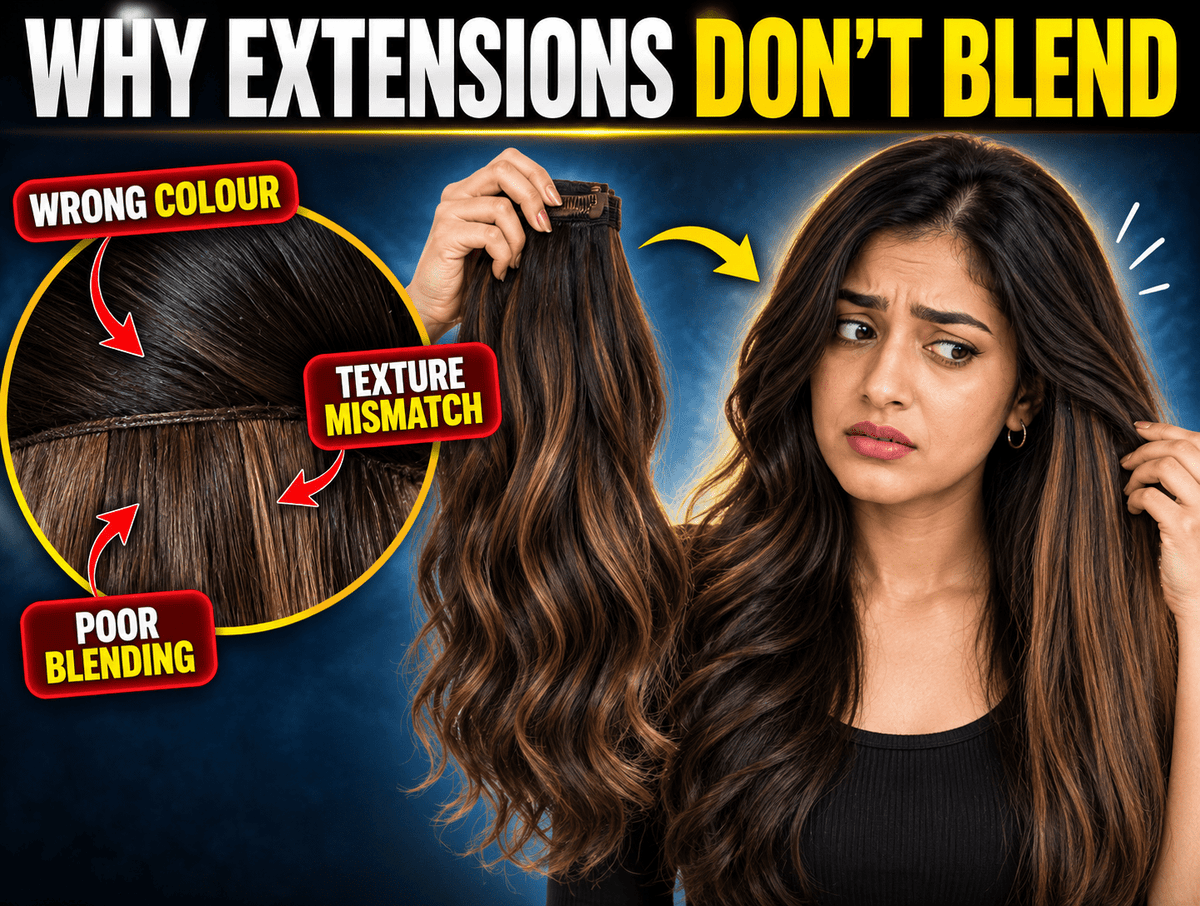
Why Hair Extensions Don’t Blend With Natural Hair
Hair extensions can add length, fullness, and shape, but they do not automatically create a natural looking result. When extensions fail to blend, your natural hair may appear to sit separately ove...
Read moreneed help?


Leave a comment
This site is protected by hCaptcha and the hCaptcha Privacy Policy and Terms of Service apply.