

Are You Damaging Your Scalp With the Wrong Permanent Extensions?
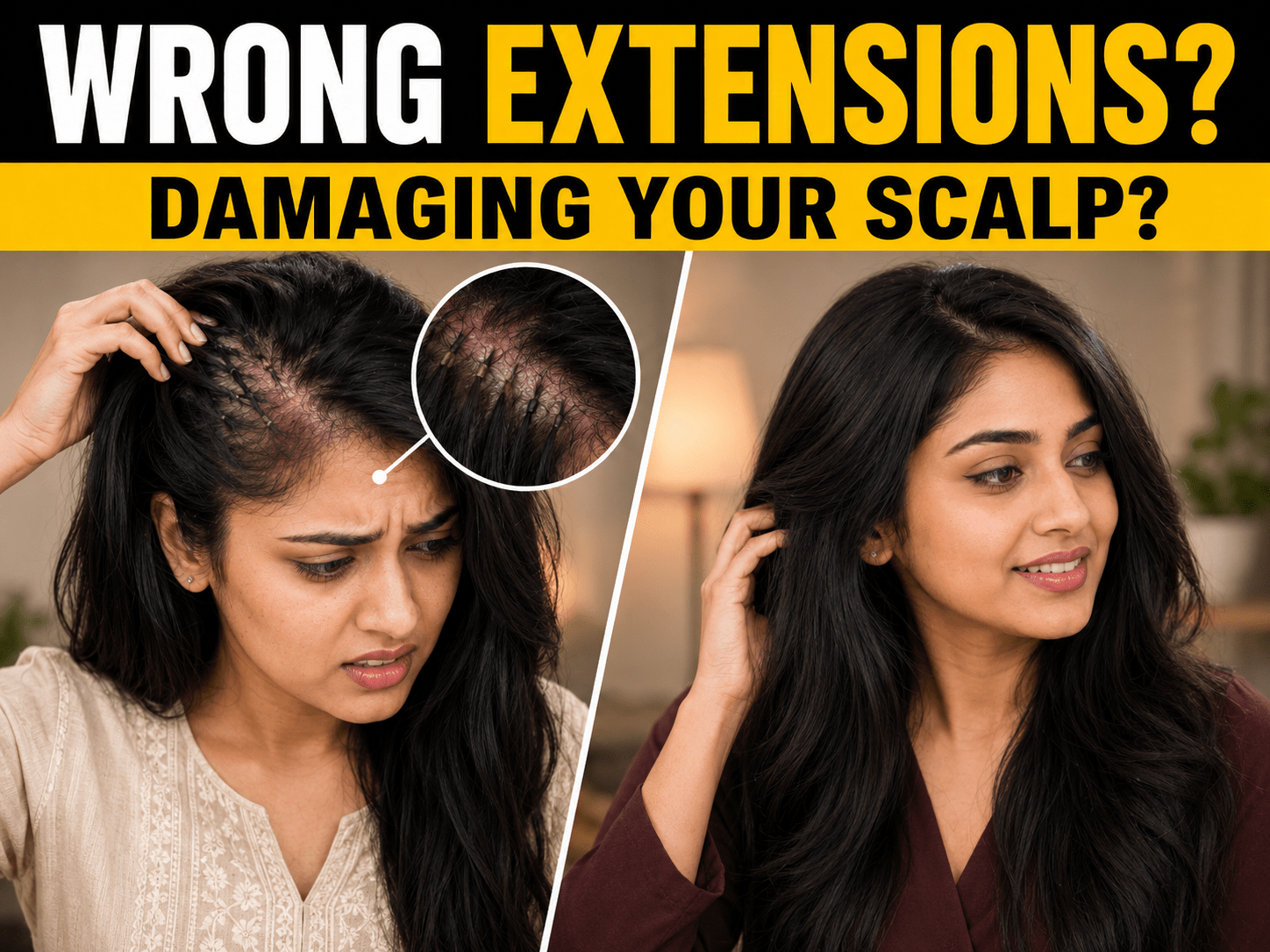
Permanent hair extensions can add length, volume and fullness without waiting months for natural hair to grow. When the right method is selected and installed correctly, they can blend naturally and feel comfortable during daily wear. Problems usually begin when extensions are too heavy, too tight, poorly placed or not maintained properly. What starts as mild pulling may later become tenderness, breakage, matting or visible thinning.
The extensions themselves are not always the problem. Damage often occurs because the method, weight or placement is unsuitable for the natural hair supporting it. Understanding these risks can help you notice warning signs early and make safer decisions.
Extensions Are Not the Enemy
Permanent hair extensions are often blamed for hair loss and scalp discomfort, but the method alone does not decide whether your hair stays healthy.
The result depends on:
-
Natural hair density
-
Strand thickness and root strength
-
Existing breakage or shedding
-
Extension weight and quantity
-
Placement and sectioning
-
Maintenance and home care
Someone with fine hair should not receive the same amount of extension hair as someone with thick, strong hair. The natural strands must support the added weight comfortably. The hairline, temples and parting may also be more delicate than the back of the head. These areas may need lighter attachments, fewer extensions or no attachments.
Choosing a method only because it looks good in a transformation video can be risky. A result that suits one person may not suit another person’s hair type, scalp condition or lifestyle.
How Scalp Damage Begins
Scalp damage may begin when repeated pulling force is placed on the natural hair. This tension can weaken the strands, cause breakage and put pressure on the follicles.
Excessive tension may develop when:
-
Too much extension hair is attached to a small section
-
Attachments are placed too close to the scalp
-
Extensions are heavier than the natural hair can support
-
Fragile areas receive the same weight as stronger areas
-
The installation is excessively tight
-
Tight hairstyles are worn repeatedly
-
Root tangling pulls on the natural hair
-
Maintenance is delayed
Permanent extensions should feel secure, but not painfully tight. You should be able to move and style your hair without constant pulling.
Warning Signs to Notice
Some awareness of new attachments may be normal at first, but ongoing pain or tenderness should not be ignored.
Watch for:
-
Persistent pulling or pain
-
Headaches caused by tightness
-
Redness or irritation
-
Small bumps on the scalp
-
Broken hairs near the roots
-
Thinning around the hairline
-
Excessive shedding
-
Matting close to the scalp
These symptoms do not always mean permanent damage, but they should be checked quickly. Early correction may involve reducing the weight, changing the placement or removing a few attachments. Persistent pain, sores, inflammation or visible bald areas should be assessed by a dermatologist.
Comparing Extension Methods
There is no single method that is best for everyone. Tape-ins, micro rings and keratin bonds work differently and must be matched to the natural hair.
Tape-In Hair Extensions
Tape-ins use flat adhesive sections placed around natural hair. Problems may occur when too little hair supports the tape, the sections are too heavy, tapes are too close to the scalp or fragile areas carry too much weight. Tape-ins should move naturally. They should not pull strongly when you turn your head or tie your hair.
Micro Ring Hair Extensions
Micro rings use small rings or beads to secure extension strands. Damage may occur when rings are too tight, strands are too heavy, supporting sections are too small or maintenance is delayed. They may suit hair with enough density and strength, but may not be appropriate for very fine or actively thinning hair.
Keratin Bond Extensions
Keratin bonds are applied strand by strand, allowing customised placement. Problems may occur when bonds are too large, natural sections are too small, too many bonds are installed or weak areas are used for support. They require professional removal. Pulling or breaking the bonds can remove natural strands with the extensions.
Why Installation Matters
Two people may use the same method and have completely different experiences. The difference often comes down to consultation, sectioning, placement and weight distribution.
Before installation, the specialist should examine:
-
Hair density and strand thickness
-
Strength around the temples and hairline
-
Existing breakage or hair fall
-
Scalp sensitivity
-
Previous chemical treatments
-
Desired length and volume
-
Lifestyle and maintenance habits
A person may want very long extensions, but their natural hair may only support moderate length and volume. A lighter result may be healthier and look more natural. Correct sectioning is essential. If the natural section is too small, it may not support the extension weight. If it is too large, the attachment may not sit or move properly. Placement matters too. Attachments placed too close to the scalp can create tension, while those placed too far away may become visible or unstable.
A good installation is not only about hiding attachments. It is also about protecting the natural hair.
Aftercare Mistakes to Avoid
Even correctly installed hair extensions can cause problems if aftercare is neglected. As your natural hair grows, the extension attachments gradually move farther from the scalp, and naturally shed hairs can become trapped around bonds, micro rings, or tapes. Without proper brushing and regular maintenance, these trapped strands can tangle with surrounding hair, increasing the risk of matting, breakage, and unnecessary tension. Common mistakes include brushing too aggressively, pulling through knots, sleeping with wet or damp hair, leaving the roots damp, applying heavy oils directly over the attachments, wearing very tight hairstyles, using excessive heat near the bonds, ignoring root tangles, skipping maintenance appointments, or attempting to remove extensions at home.
To keep your extensions and natural hair healthy, always brush gently from the ends upward while supporting the hair near the attachments, make sure your roots are completely dry before sleeping, and keep your hair loosely secured at night. Regular maintenance appointments are equally important, as they help remove trapped shed hair, prevent root tangles, identify early signs of breakage, and correct uneven tension before it develops into a more serious problem.
Choosing the Right Extensions
Hair Strength
The strength and condition of your natural hair are among the most important factors when choosing hair extensions. Even if your hair is fine or thin, extensions may still be possible with the right method. Lightweight strands, smaller attachment points, or a reduced number of extensions can help create a natural look without placing unnecessary stress on your hair. A professional assessment ensures your hair can safely support the added weight.
Existing Hair Loss
Hair extensions should never be used as a solution to conceal unexplained hair loss, bald patches, excessive shedding, or scalp irritation. If these issues are present, it is important to identify and treat the underlying cause before adding extensions. Installing extensions on already weakened hair may worsen the condition and lead to further damage. Healthy natural hair provides the best foundation for long-lasting, beautiful results.
Desired Result
Before choosing a hair extension method, think about the look you want to achieve. Some people simply want to add subtle volume to make their hair appear fuller, while others want dramatic length or a complete transformation. The greater the amount of hair added, the more weight your natural hair must support. Selecting extensions that match both your goals and your hair's capacity helps create a comfortable, natural-looking result that lasts.
Lifestyle
Your daily routine plays a significant role in deciding which type of hair extension is right for you. If you exercise regularly, swim frequently, style your hair with heat every day, or often wear tight ponytails and buns, certain extension methods may perform better than others. Choosing a solution that fits your lifestyle makes maintenance easier and helps keep both your extensions and natural hair in good condition for longer.
Maintenance Commitment
Permanent hair extensions are not a one-time treatment—they require regular care to maintain their appearance and protect your natural hair. You should understand how to wash, brush, dry, and style your extensions correctly, as well as follow your stylist's recommendations for maintenance. Most extension methods also require professional refitting or repositioning every few weeks as your natural hair grows. Being committed to proper aftercare is essential for achieving the best long-term results.
Professional Assessment
An experienced hair extension specialist will always prioritize the health of your natural hair over creating the fullest or longest hairstyle possible. During the consultation, they will evaluate your hair's density, strength, scalp condition, and overall suitability for extensions. If your hair cannot safely support a particular method, a responsible professional will recommend a lighter alternative or advise waiting until your hair is healthier. The right recommendation should always focus on achieving beautiful results without compromising your natural hair.
When Extensions Need Removal
Permanent hair extensions should not remain attached indefinitely. As your natural hair grows, the attachments move away from the scalp, making regular maintenance essential. Depending on hair growth and the condition of the attachments, extensions may need adjustment, repositioning, or removal. Schedule an earlier maintenance appointment if your extensions feel heavier than usual, the attachments start pulling, bonds or micro rings have twisted, tape tabs begin lifting, root tangling increases, your scalp feels tender, breakage becomes visible, or the extensions no longer blend naturally with your own hair.
Never pull, cut, or use random products to remove permanent extensions yourself, as improper removal can cause more damage than the original installation. Professional removal ensures the attachments are released safely, trapped shed hair is gently detangled, and the natural hair is assessed before deciding whether to reinstall extensions. In some cases, the healthiest option is to use fewer extensions, choose a shorter length, switch to a different extension method, or give your natural hair time to recover before the next application.
Frequently Asked Questions
Can permanent extensions cause hair loss?
They may contribute to breakage or tension-related hair loss when they are too tight, too heavy, poorly installed or not maintained properly.
Are permanent extensions safe for thin hair?
They may suit some people with thin hair, but the weight, attachment size and method must be adjusted carefully.
Should extensions hurt after installation?
They should not cause ongoing pain, headaches or strong pulling. Persistent discomfort should be checked promptly.
Which method is safest?
There is no single safest method. The best option depends on the natural hair’s strength, density and condition.
Can I remove extensions at home?
Professional removal is safer. Pulling, cutting or using unsuitable products can cause unnecessary breakage.
Conclusion
Permanent hair extensions should improve your appearance without leaving your scalp painful or your natural hair weaker. Most avoidable problems begin when the wrong method, excessive weight, poor placement or delayed maintenance creates repeated tension on the roots. The safest result is not simply the longest or fullest transformation. It is a customised result that looks natural, feels comfortable and respects the condition of the existing hair. A detailed consultation, careful installation, correct aftercare and timely maintenance can reduce unnecessary stress on the scalp.
Worried that your permanent extensions may be pulling, feeling too tight or causing scalp discomfort? The right extension method should add length and volume without putting unnecessary stress on your natural hair.
Unsure which hair extension method is right for you? 📞+91 99671 23333 Call us today for a personalised consultation! Our hair extension specialists will recommend the best solution based on your hair type, lifestyle, and styling goals.
👉 [Fill out this form for personalised advice.]
Read more
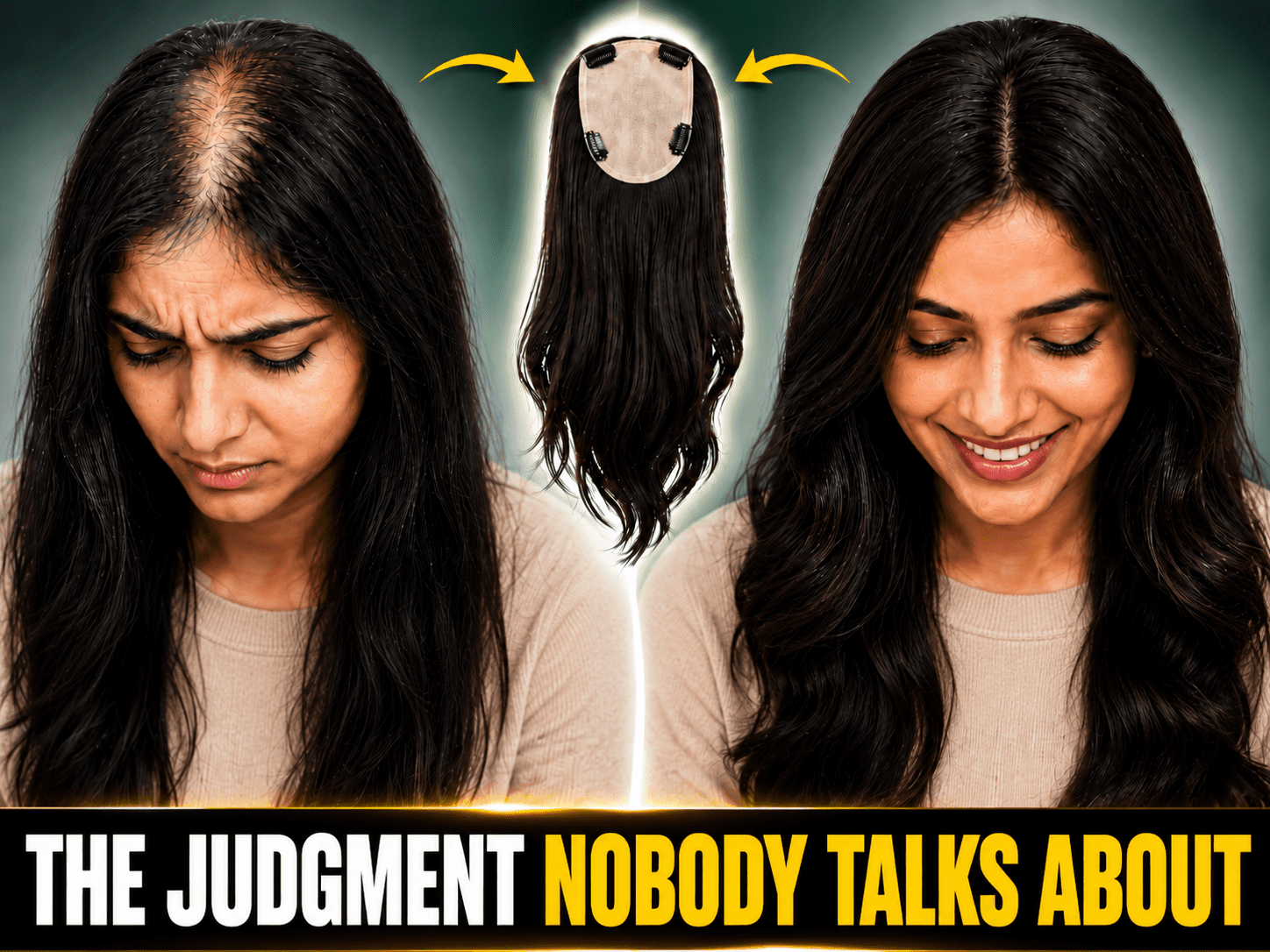
The Silent Judgment Women With Hair Loss Face—and How to Stop It From Controlling Their Confidence
A woman may enter a meeting fully prepared yet still worry that the overhead light is exposing her thinning crown. At family events, she may avoid photographs, adjust her parting repeatedly or fear...
Read more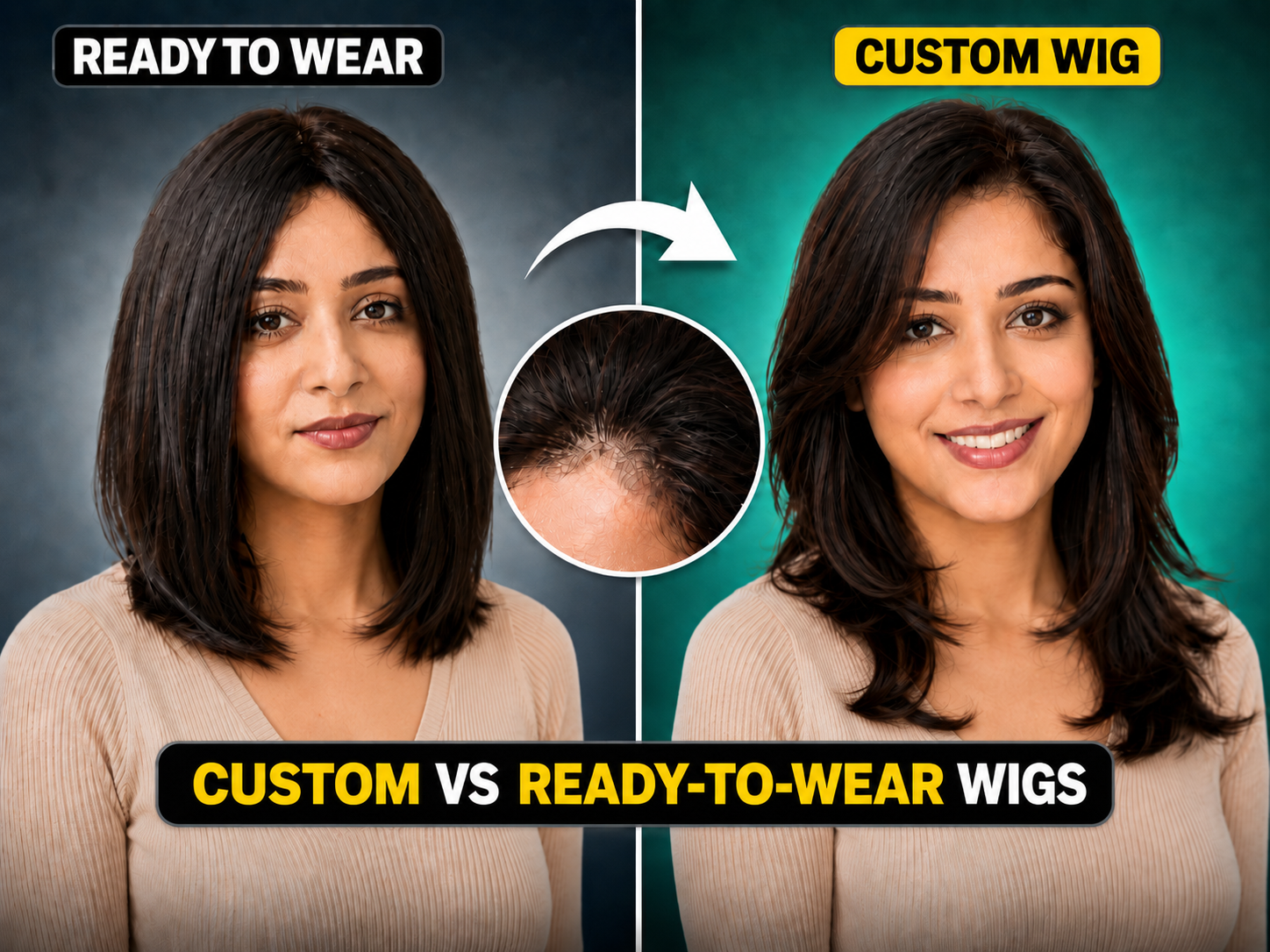
Custom vs Ready to Wear Wigs: The Truth About Which One Actually Looks More Natural
Hair loss during cancer treatment is not just a physical change. For many women, it feels like losing a part of their identity, confidence, and sense of normal life. That is why choosing the right ...
Read moreneed help?


1 comment
I was heartbroken because I had a very small manhood, not nice to satisfy a woman, I had so many relationships cut off because of my situation, I have used so many products which i found online but none could offer me the help I searched for. I saw some comments about this specialist called Dr Moses Buba and decided to email him at buba.herbalmiraclemmedicine@gmail.com so I decided to give his herbal product a try. i emailed him and he got back to me, he gave me some comforting words with his herbal pills for manhood Enlargement, Within 14 days of it, i began to feel the enlargement of my manhood, " and now it just 2 weeks of using his products my manhood is about 9 inches longer and i am so happy, contact DR Moses Buba now via email buba.herbalmiraclemmedicine@gmail.com or his Whatsapp number +2349046949685 . may God reward you for your good work.
HE ALSO RENDERED THE FOLLOWING …1. BRING YOUR EX BACK..2. LOTTERY SPELL.3. PREGNANCY SPELL .4. WEAK ERECTION 5. POOR EJACULATION……………
Ken Mike
Leave a comment
This site is protected by hCaptcha and the hCaptcha Privacy Policy and Terms of Service apply.