

Article: Can Hair Toppers Damage Your Natural Hair? Clips, Pressure & Safe Wearing
Can Hair Toppers Damage Your Natural Hair? Clips, Pressure & Safe Wearing
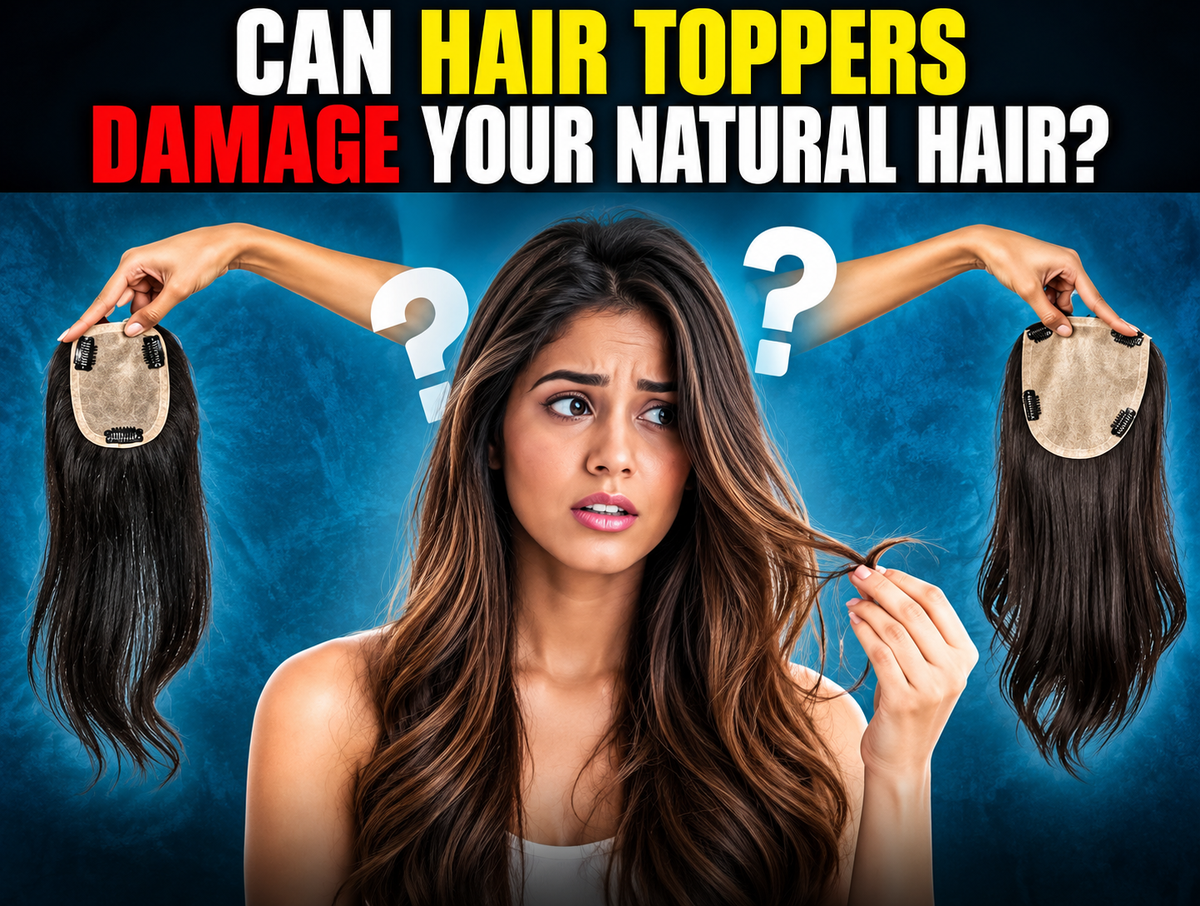
Hair toppers are a practical solution for women experiencing thinning hair, reduced volume, or visible scalp around the crown. They provide targeted coverage while blending with existing hair, helping create a fuller, natural-looking appearance. However, if your natural hair is already thin or fragile, you may wonder: Can hair toppers damage your natural hair?
The answer depends on how the topper is fitted, attached, and worn. Hair toppers do not automatically cause damage, but excessive clip tension, repeated pressure, and improper removal may stress natural strands. Understanding these factors can help you choose a comfortable topper, recognize warning signs, and reduce the possibility of hair breakage.
| Table of Content |
Can Hair Toppers Really Damage Your Natural Hair?
Hair toppers are designed to cover thinning areas, particularly around the crown and parting, while blending naturally with existing hair. Most clip-in hair toppers use small clips attached to the base to keep the hairpiece secure throughout the day. When properly fitted, they can provide comfortable coverage without excessive pulling. However, incorrect attachment, repeated pressure, or fragile natural strands may increase the possibility of hair damage over time.
Certain factors can place unnecessary stress on natural hair, especially when the existing strands are thin or weakened.
- Clips attached too tightly can pull on natural strands, potentially contributing to hair breakage over time.
- Women experiencing crown thinning may have reduced hair density, making their remaining strands more vulnerable to attachment pressure.
- Attaching clips to the same sections regularly can create mechanical stress and increase the possibility of localized breakage.
- Continued thinning does not necessarily mean the topper is responsible, as natural hair loss may occur due to other underlying factors.
The key is to choose a hair topper that fits comfortably and attaches securely without excessive tension. Proper clip placement helps distribute pressure across suitable sections of natural hair, reducing unnecessary pulling. Gentle application, careful removal, and regular checks of attachment points can help minimize potential damage. These habits support comfortable wear while maintaining natural-looking coverage.
How Hair Topper Clips Affect Natural Hair and Hair Roots
Hair topper clips grip small sections of natural hair to hold the hairpiece in position. Although these clips are convenient for removable wear, their placement and tightness influence how comfortably the topper sits.
How Clip Tension Affects Hair
When a clip closes around natural strands, those strands support part of the topper's weight. If the attachment is too tight or the topper moves excessively, the hair may experience repeated friction and pulling. Over time, this mechanical stress can contribute to breakage, particularly in women with fine, weak, or chemically processed hair. A properly positioned clip should hold the topper without creating noticeable pain or pulling.
Why Clip Placement Matters
Clip placement determines which sections of natural hair carry the attachment force. Placing clips directly onto areas with significant thinning may concentrate stress on already vulnerable strands. For hair toppers for crown thinning, the attachment points should ideally reach surrounding hair that can comfortably support them. However, changing clip positions is not helpful if the alternative sections are equally fragile. The topper's base size and attachment arrangement should therefore be considered together.
Can Clips Affect Hair Roots?
Hair roots sit within follicles beneath the scalp, while topper clips attach to visible strands. Although the clips do not directly fasten to follicles, pulling on hair can transmit tension toward the roots. Repeated excessive tension may contribute to traction-related hair loss. Persistent soreness or pulling around the clips is a reason to reassess the attachment rather than continue wearing it tightly.
Can Pressure and Tension Cause Hair Breakage or Hair Loss?
Pressure and tension affect hair differently. Pressure occurs when part of the topper presses against the scalp, while tension develops when attached strands are pulled.
Hair Breakage From Repeated Stress
Hair breakage happens when the hair shaft weakens and snaps along its length. With clip-in hair toppers, repeated gripping or rough handling may cause shorter broken strands around attachment points. This is different from shedding, where a strand is released from the follicle. Recognizing this distinction can help women better understand changes in their hair.
Understanding Traction Alopecia
Traction alopecia is a form of hair loss associated with repeated or prolonged pulling on follicles. It can occur with tight hairstyles and may also be relevant when hairpiece attachments create ongoing tension. Early traction-related changes may sometimes improve once the pulling stops. However, prolonged tension can cause lasting follicle damage. This does not mean every woman wearing a hair topper will develop traction alopecia. The risk depends on attachment tightness, wearing habits, and the condition of natural hair.
Signs Your Topper May Be Causing Stress
Watch for changes around attachment points, including:
- Persistent soreness, pinching, or scalp tenderness.
- Short broken strands near clips.
- Redness or irritation after removing the topper.
- Visible pulling when moving your head.
- Progressive thinning around frequently used attachment areas.
These signs do not automatically establish the cause of hair loss, but they indicate that the fit should be reassessed. Persistent symptoms or increasing thinning should be evaluated by a dermatologist.
Common Hair Topper Wearing Mistakes
Certain wearing habits can increase unnecessary pulling, even when the topper itself is appropriately designed.
Attaching Clips to Very Thin Hair
Clips positioned directly on weak or sparse sections may place excessive stress on the available strands. When fewer hairs support an attachment, the force becomes more concentrated.
Using the Same Attachment Points Daily
Repeatedly fastening clips to identical sections may contribute to localized breakage. Adjusting placement can sometimes distribute stress, provided suitable surrounding hair is available.
Choosing a Topper That Is Too Heavy
A topper's weight depends on its length, density, base size, and construction. A heavy hairpiece may create noticeable downward pulling when natural hair cannot comfortably support it.
Removing the Topper Incorrectly
Pulling a topper away before fully opening its clips can catch and break natural strands. Gentle removal is especially important for women wearing toppers regularly.
Ignoring Discomfort
A secure topper should not require painful tightness. Persistent headaches, pulling, or soreness suggest that the attachment needs adjustment.
How to Wear Hair Toppers Safely
Correct application, gentle handling, and proper maintenance can help minimize unnecessary tension on natural hair. Following a consistent wearing routine is especially important for women with thin or fragile strands, as it helps reduce pulling, friction, and potential breakage.
Apply Your Hair Topper Correctly
Before wearing your topper, gently detangle your natural hair and ensure the attachment areas are clean and dry. Position the base over the thinning area without pulling surrounding strands tightly. Secure the clips to sections with sufficient hair density, ensuring they feel comfortable rather than overly tight. Once attached, move your head naturally to check for pulling or pressure. Gently blend the topper with your existing hair to achieve a natural appearance without placing unnecessary stress on the attachment points.
Remove Your Topper Gently
Always open every clip completely before removing your topper. Support the base while carefully releasing any strands caught around the attachments. Avoid pulling the hairpiece away forcefully, as this may cause breakage or discomfort. After removal, check the attachment areas for redness, tenderness, or broken strands. Gentle removal helps protect fragile hair from repeated mechanical stress.
Follow Comfortable Daily Wearing Habits
If you wear a hair topper regularly, pay attention to how the clips feel throughout the day. Avoid keeping the topper attached when it causes persistent pulling or scalp discomfort. Removable clip-in toppers should generally be taken off before sleeping to reduce tangling and tension. As natural hair density changes, the original attachment points may become less suitable. Periodically checking the topper's fit and clip placement can help maintain comfortable wear.
Maintain Your Natural Hair and Topper
Keeping your natural hair clean, conditioned, and gently detangled makes application and removal easier. Human hair toppers also require appropriate washing, brushing, and storage to maintain their appearance and prevent tangling. Regularly inspect the clips for rough edges, damage, or weakened fastening mechanisms that may catch natural strands. Proper maintenance helps keep the topper manageable while reducing avoidable stress on existing hair.
Choosing the Right Hair Topper for Thin Hair
Choosing the right hair topper for thinning hair involves considering coverage, comfort, weight, and attachment support. A well-fitted topper should blend naturally with your existing hair without placing unnecessary pressure on fragile strands. Understanding the following factors can help you select a suitable option for your hair condition.
- Choose a base that covers the thinning area while allowing clips to attach to stronger surrounding hair. An incorrect base size may cause discomfort, visible gaps, or unnecessary pulling.
- Lightweight hair toppers may reduce stress on delicate strands. Select a hair density that complements your natural hair without adding unnecessary weight.
- Skin hair toppers have a skin-like base that simulates the scalp, while silk hair toppers use layered construction for a natural-looking parting. Neither is automatically safer, as comfort depends on fit, weight, and attachment.
- If your natural hair is extremely thin, clips may not have enough strong strands to attach securely. In such cases, alternative attachment arrangements or hairpiece designs may be more suitable.
The right hair topper should provide natural-looking coverage while maintaining comfort throughout daily wear. Proper base sizing, balanced hair density, and suitable clip placement can help reduce unnecessary tension. If thinning continues or attachment becomes uncomfortable, reassessing the topper's fit and seeking professional guidance can help you make an informed decision.
Frequently Asked Questions About Hair Topper Safety
Q. Can wearing a hair topper every day damage natural hair?
A. Daily wear does not automatically cause damage. However, repeated pulling on the same fragile strands may increase the risk of breakage. Correct fit, gentle handling, and regular checks of attachment points are important.
Q. Are clip-in hair toppers safe for thin hair?
A. Clip-in hair toppers may be suitable when enough strong natural hair is available to support the attachment. Very thin or weakened sections may be more vulnerable to pulling. Suitability depends on individual hair condition and clip placement.
Q. Can hair topper clips cause permanent hair loss?
A. Prolonged excessive tension may contribute to traction alopecia, which can sometimes cause permanent follicle damage. This is not an inevitable result of wearing a topper. Persistent tenderness or localized thinning should be assessed by a dermatologist.
Q. How do I know if my topper is too tight?
A. Persistent pulling, headaches, pinching, or soreness may indicate excessive tension. A topper should remain securely positioned without requiring you to tolerate pain.
Q. Should I change my hair topper clip positions?
A. Changing attachment positions may help reduce repeated stress when sufficient healthy surrounding hair is available. However, moving clips onto other weak sections does not resolve the underlying problem.
Q. Can I sleep in a clip-in hair topper?
A. Removable clip-in toppers are generally intended to be taken off before sleeping. Overnight movement can create additional friction, tangling, and pulling around clips.
Conclusion
Hair toppers can provide natural-looking coverage for women experiencing crown thinning or reduced volume, but their effect on existing hair depends on fit, attachment tension, and everyday handling. Excessive pulling, repeated pressure, and careless removal can contribute to breakage or traction-related hair loss, especially when natural strands are already fragile.
Choosing a properly fitted topper, following gentle wearing habits, and paying attention to discomfort can help minimize avoidable stress. The goal is to enjoy the coverage and appearance of a hair topper while making informed decisions about protecting your remaining natural hair.
Not sure where to begin with hair loss solutions? 📞+91 9967123333 Contact us now, and let our experts recommend the ideal choice for you. Personalized advice is just a call away!
Hair thinning on top? Feeling conscious in photos or at work?
You’re not alone — and we’re here to help.
👉 [Fill this form and get guidance on choosing the right topper.]
Read more
Will a Hair Topper Stay in Place on a Windy Day?
One of the most common worries about wearing a hair topper outdoors is simple: what happens when the wind picks up? If you are using a topper to cover thinning at the crown or create fuller-looking...
Read moreneed help?


Leave a comment
This site is protected by hCaptcha and the hCaptcha Privacy Policy and Terms of Service apply.