

Article: Can You Exercise While Wearing a Wig? Sweat, Fit and Care Tips
Can You Exercise While Wearing a Wig? Sweat, Fit and Care Tips
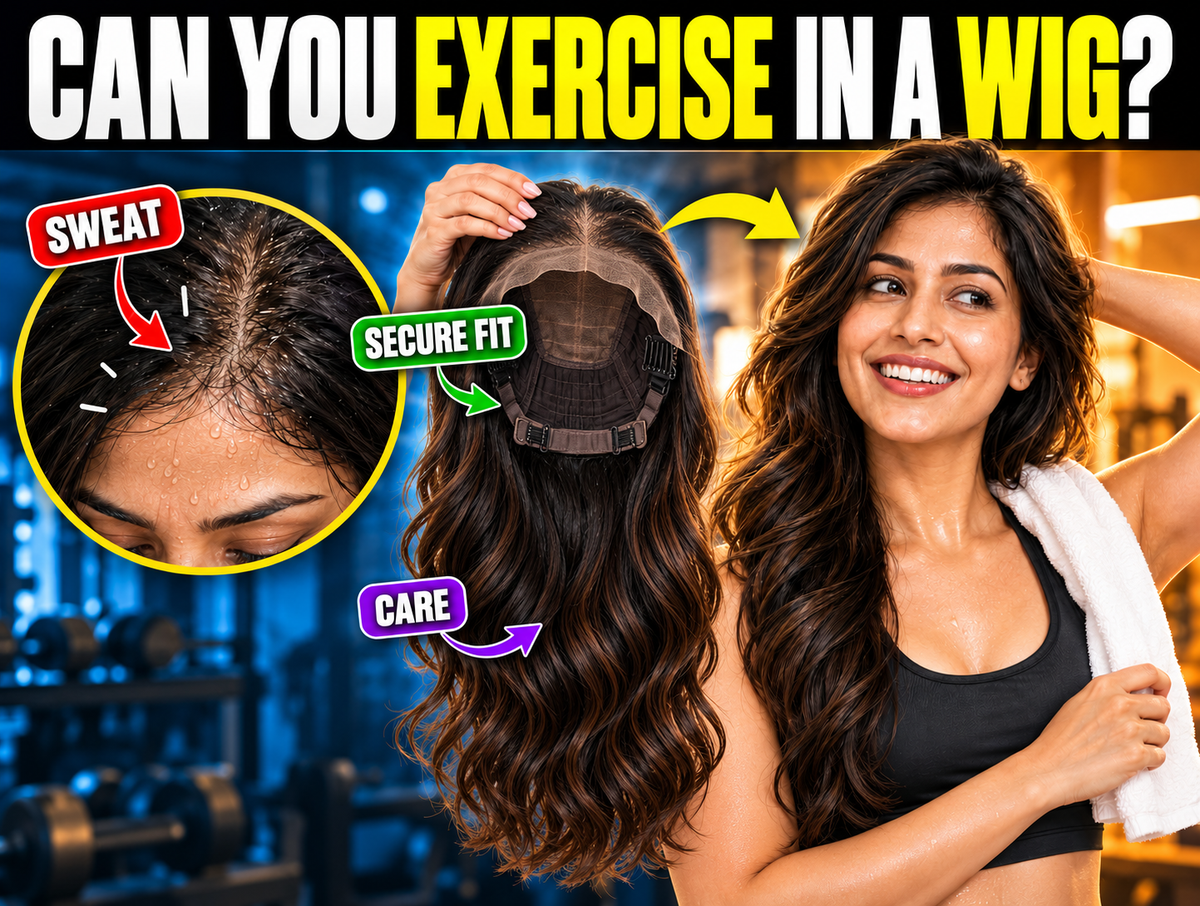
Wearing a wig doesn't mean you have to give up your favorite workouts. Whether you enjoy walking, yoga, running, or gym sessions, exercising while wearing a wig is possible with the right fit and preparation. However, concerns about sweating, discomfort, or your wig shifting during movement can make physical activity feel challenging.
The key to working out with a wig is understanding how sweat, body heat, and movement affect its comfort and security. Choosing a suitable wig and following a simple care routine can help you stay active while maintaining your wig's natural appearance and condition.
| Table Of Content |
Can You Exercise Comfortably While Wearing a Wig?
Yes, you can exercise while wearing a wig, provided it fits properly and remains comfortable during movement. Many women wear wigs as part of their everyday routines, including gym workouts, outdoor activities, and fitness sessions. The overall experience depends on the wig's construction, weight, attachment method, and the intensity of your exercise. During physical activity, your body temperature naturally increases, and sweating helps regulate heat. Wearing a wig may create additional warmth around the scalp, especially during intense workouts. Choosing a lightweight wig with breathable construction can help improve comfort, although it cannot completely prevent sweating.
The type of exercise you perform also affects how comfortably your wig stays in place. Low-impact activities such as walking, gentle stretching, and yoga generally involve less vigorous movement than running, aerobics, or high-intensity training. More active workouts may require additional attention to wig security. A properly fitted wig should feel secure without placing excessive pressure on your forehead, temples, or scalp. If your wig feels too loose, it may shift during movement, while an overly tight fit can cause discomfort. Finding the right balance between stability and comfort is important for an enjoyable workout.
Before starting an intense exercise session, test your wig during simple movements. Try walking briskly, bending forward, and gently turning your head to check whether it stays in position. These small checks can help you identify fitting adjustments before beginning more demanding activities. With the right preparation, wearing a wig does not have to interfere with your fitness routine. Paying attention to its fit, your scalp's comfort, and the movements involved in your workout can help you exercise more confidently while maintaining your wig's natural appearance.
How Does Sweat Affect Your Wig and Scalp?
Sweating is natural during exercise, but moisture can accumulate beneath your wig, particularly around the forehead, hairline, and back of the neck. Understanding its effects can help you maintain comfort and cleanliness.
Sweat and moisture buildup
During exercise, perspiration may collect between your scalp and the inner wig cap. Limited airflow can increase warmth and create a damp sensation, especially during intense workouts or in humid conditions. Prolonged moisture and friction may cause discomfort or irritation, particularly for women with sensitive scalps. Taking breaks when needed and allowing your scalp to dry after exercise can help manage these concerns.
How sweat affects human hair wigs
Human hair wigs offer natural movement and styling flexibility, but regular exposure to perspiration can affect their freshness and manageability. Sweat contains salts that may leave residue on the hair and wig cap after moisture evaporates. Repeated movement can also contribute to tangling, particularly in longer wigs that rub against clothing or the neck. Gentle detangling and appropriate cleaning help maintain the hair's appearance.
However, washing after every workout is not always necessary. The right cleaning frequency depends on how often you exercise, how much you sweat, and the wig's individual care instructions.
Scalp comfort during workouts
A properly fitted wig should not create painful pressure or persistent irritation. If your scalp becomes itchy, tender, or uncomfortable, check whether the cap is too tight or moisture is accumulating beneath it. Women experiencing hair loss or scalp sensitivity may need additional care when choosing wig materials and attachment methods. Removing a removable wig after exercise and allowing the scalp to dry can improve comfort.
Choosing a Comfortable and Secure Wig for Workouts
The right wig can make physical activity more manageable. When choosing wigs for women who lead active lifestyles, comfort, weight, breathability, and cap stability are important considerations.
Lightweight and breathable construction
Lightweight wigs may feel more manageable during longer workouts because they place less weight on the head. Breathable cap constructions can also improve airflow and reduce the sensation of trapped warmth. A soft interior surface may help minimize friction during movement. However, breathability varies depending on the cap design, so it is important to consider how the wig feels during actual activity.
Proper cap size and secure fit
A wig should fit securely without being excessively tight. Adjustable straps and other built-in fitting features can help accommodate different head shapes. A loose cap may slide backward or shift sideways during exercise, while an overly tight cap can create pressure around the forehead and temples. Correct sizing is more important than simply tightening the wig as much as possible.
Hair length and styling
Hair length can influence workout convenience. Short wigs for women may be easier to manage during physical activity because there is less hair moving around the face and neck. Longer human hair wigs can also work well for exercise when the hairstyle is arranged appropriately. A loose, controlled style can help keep hair away from the face and reduce tangling without placing unnecessary tension on the wig base.
How to Keep Your Wig Secure During Different Exercises
Wearing a wig during exercise can feel comfortable and secure when it fits properly. Different workouts involve varying levels of movement, so checking your wig's stability before exercising can help prevent slipping and discomfort.
Here are some simple tips for different workouts.
Walking and Light Exercise
Walking and gentle stretching involve minimal head movement. Make sure your wig fits comfortably and stays in place without feeling too tight.
Yoga and Pilates
Bending, stretching, and changing positions may cause your wig to shift. Check its fit beforehand and keep longer hair away from your face.
Running and Cardio
Running and intense workouts involve frequent movement. A properly sized wig cap and a compatible wig grip may help improve stability and comfort.
Strength Training
Weightlifting and gym equipment can create friction against your wig. Keeping longer hair neatly arranged can help prevent pulling and tangling.
A secure, comfortable fit allows you to focus on your workout without constantly adjusting your wig. Small adjustments before exercising can make your routine more convenient.
Wig Care Tips Before and After Your Workout
Regular wig care helps maintain cleanliness, comfort, and a natural appearance, especially if you exercise frequently. A few simple steps before, during, and after your workout can help keep your wig in good condition.
Before Your Workout
Preparing your wig properly can help prevent slipping and tangling during exercise.
- Ensure your wig sits securely without feeling too tight.
- Use a suitable wig brush or wide tooth comb to remove knots.
- Keep longer hair away from your face and neck.
- Make sure the wig cap is clean and dry.
- Bend and turn your head to check the wig's stability.
Avoid excessive styling products, as they can mix with sweat and cause buildup.
During Your Workout
If you sweat around your hairline, gently blot the moisture with a soft towel. Avoid repeatedly adjusting your wig, as this may affect its placement. Take short breaks if your scalp feels overheated or uncomfortable. If your wig uses adhesive, follow its specific activity instructions.
After Your Workout
After exercising, carefully remove your wig if possible and allow your scalp to dry. Place the wig on a suitable stand in a ventilated area to release trapped moisture. Once dry, gently detangle the hair, starting from the ends and moving upward. Avoid storing your wig while it is damp.
How Often Should You Wash Your Wig?
The washing frequency of human hair wigs depends on workout intensity, sweating, and product buildup. Washing after every workout is usually unnecessary. Clean your wig when you notice odor, residue, or reduced freshness, and always follow its recommended washing and drying instructions.
Common Mistakes to Avoid When Exercising in a Wig
Wearing a wig during exercise requires proper care to maintain comfort, security, and appearance. Small mistakes, such as an improper fit or ignoring sweat buildup, can affect your overall workout experience. Understanding these common mistakes can help you keep your wig comfortable and manageable.
Here are some mistakes to avoid while exercising in a wig.
- Wearing a wig too tightly can create scalp pressure and irritation. Choose a properly fitted wig that feels secure without discomfort.
- Leaving moisture trapped beneath your wig can cause odor and residue buildup. Allow your wig and scalp to dry after exercising.
- Excessive styling products can mix with sweat, making the hair harder to manage and increasing cleaning needs.
- Frequent movement can cause tangling, especially in longer wigs. Gently detangle your wig after workouts to maintain its appearance.
- A wig that feels secure while walking may shift during intense exercise. Always check its stability before starting your workout.
- Persistent itching, pressure, or irritation may indicate an improper fit. Adjust your wig when necessary to maintain comfort.
Women wearing wigs due to alopecia, chemotherapy related hair loss, or other medical conditions may experience additional scalp sensitivity. Choosing a comfortable fit, managing moisture, and following appropriate care practices can help make exercise more manageable. If you are undergoing medical treatment, prioritize any activity guidance provided by your healthcare team.
Frequently Asked Questions About Wearing Wigs During Exercise
Q. Can you wear a human hair wig to the gym every day?
A. Yes, human hair wigs can be worn during regular gym sessions when they fit securely and remain comfortable. Frequent sweating may require additional attention to drying, cap cleanliness, and detangling.
Q. Will sweating make my wig fall off?
A. Sweating does not automatically make a wig fall off, but moisture and vigorous movement can affect stability, especially with loose-fitting caps or certain adhesives. Proper fitting and movement checks can help reduce slipping.
Q. How can I prevent my wig from slipping during exercise?
A. Start with the correct cap size and adjust the built-in fitting features comfortably. A compatible wig grip may provide additional security, depending on the wig construction.
Q. Can I run while wearing a wig?
A. Yes, running while wearing a wig is possible, although repetitive movement may increase the chance of shifting. Test the fit during light jogging before attempting longer or more intense sessions.
Q. Should I wash my wig after every workout?
A. Not necessarily. Cleaning frequency depends on perspiration, odor, residue buildup, and the wig's care instructions. Allowing the inner cap to dry properly is important even when washing is unnecessary.
Q. Are breathable wig caps useful for workouts?
A. Breathable wig caps can help improve airflow and reduce the feeling of trapped warmth. However, their effectiveness depends on the material, construction, exercise intensity, and surrounding temperature.
Q. Can exercising in a wig damage natural hair?
A. Exercise while wearing a wig does not automatically damage natural hair. However, excessive tension, repeated friction, and poorly fitted attachments may contribute to breakage or discomfort, making proper fitting important.
Conclusion
Exercising while wearing a wig can be a comfortable part of your routine when you focus on proper fit, sweat management, and regular maintenance. Whether you enjoy walking, yoga, strength training, or cardio, understanding how your wig responds to movement helps you prepare appropriately.
A lightweight construction, secure but comfortable cap, and simple after-workout care routine can make wearing a wig during exercise more manageable. By prioritizing scalp comfort and following suitable care practices, you can continue enjoying an active lifestyle while maintaining your wig's natural appearance.
Wondering what’s best for your hair concerns?📞+91 9967123333 Reach out to us now, and we’ll guide you with expert advice tailored to you. Your journey to healthier hair starts here!
Looking for a natural wig that won’t feel itchy or fake?
Our team can guide you to the perfect human hair wig — soft, breathable, and beautiful.
👉 [Click here for personalised support.]
Read more

Can Hair Toppers Damage Your Natural Hair? Clips, Pressure & Safe Wearing
Hair toppers are a practical solution for women experiencing thinning hair, reduced volume, or visible scalp around the crown. They provide targeted coverage while blending with existing hair, help...
Read moreneed help?


Leave a comment
This site is protected by hCaptcha and the hCaptcha Privacy Policy and Terms of Service apply.