

Why Scalp Oiliness Affects Permanent Hair Extensions and How to Manage It
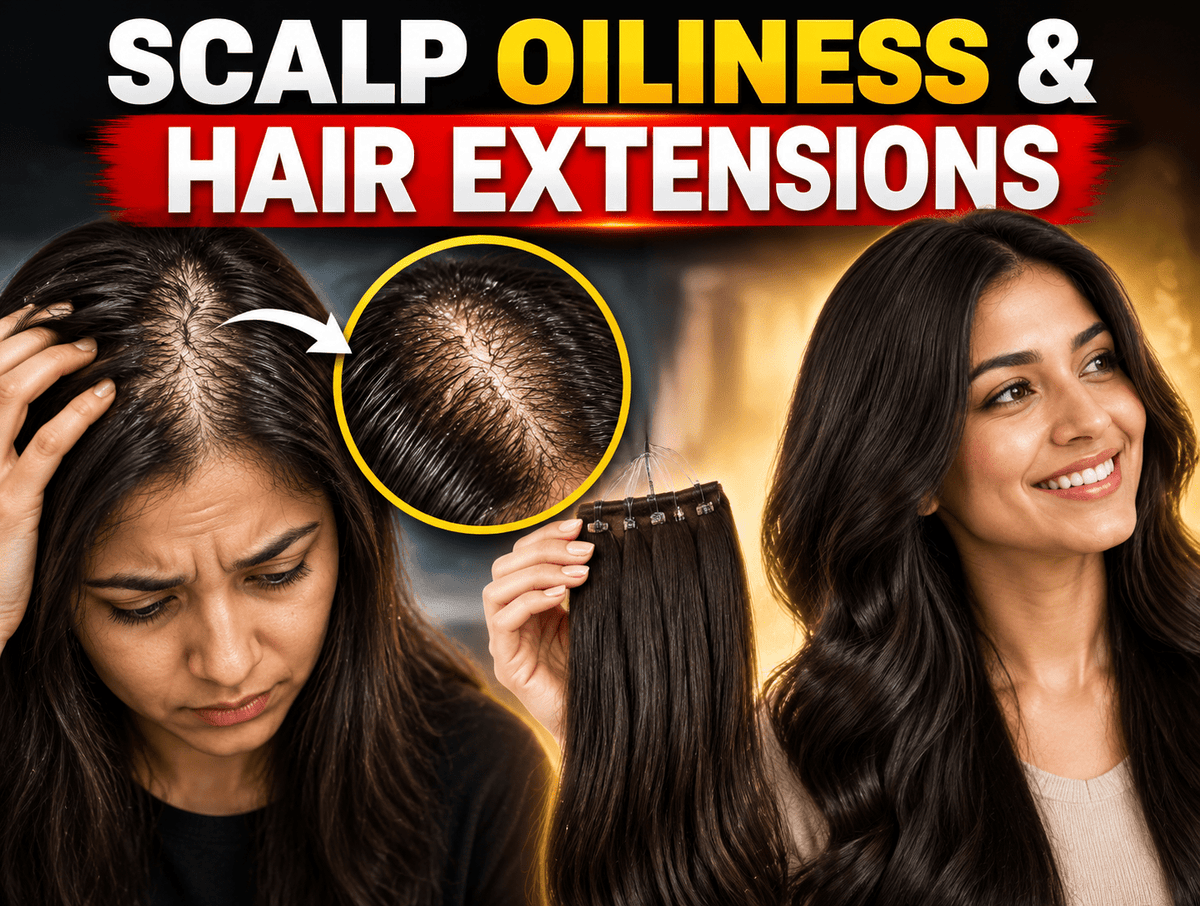
Permanent hair extensions are chosen by many women who want added length, volume, or a fuller hairstyle that fits naturally into their daily routine. While factors like hair texture, extension type, and styling preferences are often considered before installation, scalp condition is another important factor that can influence the overall extension experience.
Scalp oiliness is a common concern because natural oil production can affect how the roots feel, how the attachment areas behave, and how fresh the hair looks between washes. Understanding the connection between your scalp and permanent hair extensions can help you make informed decisions and follow a routine that suits your individual hair needs. Whether you are considering tape-in hair extensions, micro ring hair extensions, or keratin bond extensions, knowing how scalp oil interacts with different extension methods can help you maintain a natural appearance and comfortable wear.
| Table of Content |
Why Scalp Type Matters Before Choosing Permanent Hair Extensions
Every person’s scalp has different characteristics. Some women naturally have a drier scalp, while others produce more oil. Understanding your scalp type before getting permanent hair extensions can help you prepare for the type of care your hair may require.
Scalp oil, also known as sebum, is naturally produced to protect the scalp and hair. It helps prevent excessive dryness and supports overall hair condition. However, when oil production is higher, it can influence how the roots look and feel.
Since permanent hair extensions remain attached to natural hair for an extended period, the condition of the scalp becomes an important part of the overall experience. Extensions do not only interact with the hair strands; they also sit close to the scalp area where natural oil, sweat, and hair products can accumulate.
Women with an oily scalp may need to consider factors such as:
- How quickly their roots become oily
- Their current washing routine
- The type of hair products they regularly use
- Their lifestyle and daily activities
- The extension method that suits their hair needs
Choosing permanent hair extensions is not only about achieving a desired hairstyle. It also involves understanding how your natural hair and scalp behave so your routine can support both your extensions and your existing hair.
The Connection Between Scalp Oil and Extension Attachment Areas
The attachment area is one of the most important parts of permanent hair extensions. This is where the extension connects with your natural hair, and it requires appropriate care to maintain a comfortable and natural-looking result.
Because attachment points are located close to the scalp, they naturally come into contact with scalp oils. When oil builds up around these areas, it may influence how the roots feel and how fresh the hair appears.
Excess oil can combine with:
- Styling products
- Sweat from daily activities
- Residue from hair care products
- Environmental buildup
This combination may make the root area feel heavier or less clean. Some women may notice that their hair does not have the same movement or freshness as it did after washing. However, scalp oil itself is not a problem. Natural oils are part of healthy scalp function. The focus is maintaining balance rather than removing all oil from the scalp.
A balanced scalp environment can help support:
- A cleaner-looking root area
- Better movement of the extensions
- More comfortable daily wear
- A more natural blend between extensions and natural hair
Understanding this connection allows women to adjust their hair care habits based on their own scalp needs instead of following a routine designed for a different hair type.
How Different Permanent Extension Methods Respond to Oily Scalp Conditions
Different permanent extension methods use different attachment systems. Because of this, scalp oil may interact with each method in different ways. Understanding these differences can help women know what factors to consider when choosing extensions.
Tape-In Hair Extensions
Tape-in hair extensions use adhesive sections to attach extension pieces close to the roots. Since the attachment area is positioned near the scalp, excess oil and product buildup may affect how the area feels.
Women with oily scalps may need to pay attention to:
- Keeping the attachment areas clean
- Avoiding heavy products near the roots
- Choosing suitable hair care products
- Following recommended maintenance practices
The goal is to maintain a balance where the scalp feels clean while the extensions continue to blend naturally with the hair.
Micro Ring Hair Extensions
Micro ring hair extensions are attached using small rings or links that connect extension strands with natural hair. The attachment points sit close to the scalp, making scalp condition an important consideration. With an oily scalp, buildup around the roots may make the attachment areas feel heavier over time. Gentle brushing and appropriate cleansing habits can help maintain the natural movement of the hair.
Important considerations include:
- Avoiding excessive product buildup near the rings
- Handling the roots gently
- Keeping the scalp comfortable and fresh
- Paying attention to changes in how the extensions feel
Keratin Bond Extensions
Keratin bond extensions use keratin-based attachments to connect extension strands with natural hair. Since the bonds are positioned near the roots, product placement and scalp care can influence how the hair feels.
Women with oily scalps may benefit from being mindful about:
- Keeping rich products away from the bond areas
- Cleansing the scalp properly
- Avoiding unnecessary buildup around the attachments
- Maintaining a routine suited to their scalp type
Each extension method has its own characteristics, so understanding your scalp condition can help you have more realistic expectations about care and daily wear.
How Oiliness Can Influence Hair Appearance, Styling, and Comfort
Scalp oil does not only affect cleanliness; it can also influence how your extensions look and feel throughout the day. When the roots become oily, the hair may lose some of its natural movement. This can make the hairstyle appear flatter or heavier, especially around the top area where the extensions blend with natural hair.
Some women may notice changes such as:
- Hair appearing less fresh between washes
- Reduced volume at the roots
- A heavier feeling near the scalp
- More attention needed when styling the root area
Oiliness may also influence comfort. When buildup collects around the scalp, some women may feel that their hair does not feel as lightweight or fresh as expected. Daily activities can also affect scalp oil levels. For example, women who exercise frequently, spend time in humid environments, or have naturally active lifestyles may notice changes in how quickly their scalp becomes oily.
The important factor is understanding your own hair pattern. A routine that works well for one person may not work the same way for another because scalp oil production and hair behavior vary.
When Should You Reconsider Your Extension Routine?
Your scalp and hair needs can change over time. Sometimes, the routine that worked initially may need adjustments as your lifestyle, hair habits, or scalp condition changes. Paying attention to changes can help you understand whether your current approach is still suitable.
You may want to review your routine if you notice:
- Increased oiliness around the roots
- Changes in how the extensions feel
- More frequent buildup than before
- Difficulty keeping the hair looking fresh
- Changes in styling results
These changes do not necessarily mean permanent hair extensions are unsuitable. They may simply indicate that your hair care approach needs to be adjusted.
Factors that may influence your routine include:
- Seasonal changes
- New hair products
- Changes in washing habits
- Increased sweating or physical activity
- Changes in scalp condition
Regular professional guidance can also help you understand whether your extension care routine continues to match your natural hair needs.
FAQ: Permanent Hair Extensions and Oily Scalp Concerns
Can women with oily scalps wear permanent hair extensions?
Yes, women with oily scalps can wear permanent hair extensions. Understanding your scalp type and choosing an appropriate care routine can help maintain a comfortable and natural-looking result.
Does an oily scalp affect permanent hair extensions?
An oily scalp may influence how the roots feel, how fresh the hair appears, and how much attention the attachment areas require. Proper care can help manage oil-related concerns.
Which permanent hair extension method is suitable for oily hair?
The suitable extension method depends on several factors, including your natural hair type, lifestyle, and extension goals. A professional can help evaluate which option aligns with your needs.
Can scalp oil make extensions look less natural?
Excess oil buildup may affect the appearance of the roots and reduce the fresh, blended look of the hairstyle. Maintaining a balanced scalp routine can help support a natural appearance.
Should hair care products change after getting permanent extensions?
Some women may need to adjust product choices after getting extensions, especially around attachment areas. Products that create heavy buildup may require careful application.
How does scalp type affect extension maintenance?
Scalp type can influence how frequently you need to cleanse your hair and how you manage your roots. Understanding your scalp behavior helps create a more suitable extension care approach.
Conclusion
Scalp oiliness is an important factor to consider when wearing permanent hair extensions because the scalp and extension attachment areas work together as part of your overall hair routine. Natural oil production is normal, but understanding how it interacts with extensions can help you make better decisions about care and styling.
By considering your scalp type, extension method, and daily habits, you can create an approach that supports a comfortable experience and helps your extensions maintain a natural appearance over time.
Have questions about your hair loss journey? 📞+91 9967123333 Call us today, and we'll guide you to the best solution tailored to your needs. Your perfect hair transformation starts with a conversation!
Not sure if extensions are right for your hair type?
Let our team help you choose the most natural and long-lasting option.
👉 [Click here to get expert guidance!]
Read more
Can You Tie Up Permanent Hair Extensions Without Showing Bonds?
Permanent hair extensions can add length and volume while still allowing you to enjoy many everyday hairstyles. One of the biggest styling concerns, however, comes when you want to wear a ponytail,...
Read more
Can Hair Toppers Help Women With Alopecia Feel More Confident?
Hair can be closely connected to identity, personal style, and the way you feel about your appearance. When alopecia causes visible thinning or hair loss, especially around the top or crown, everyd...
Read moreneed help?


Leave a comment
This site is protected by hCaptcha and the hCaptcha Privacy Policy and Terms of Service apply.