

Why Is Your Wig Shedding? What’s Normal and What’s Not
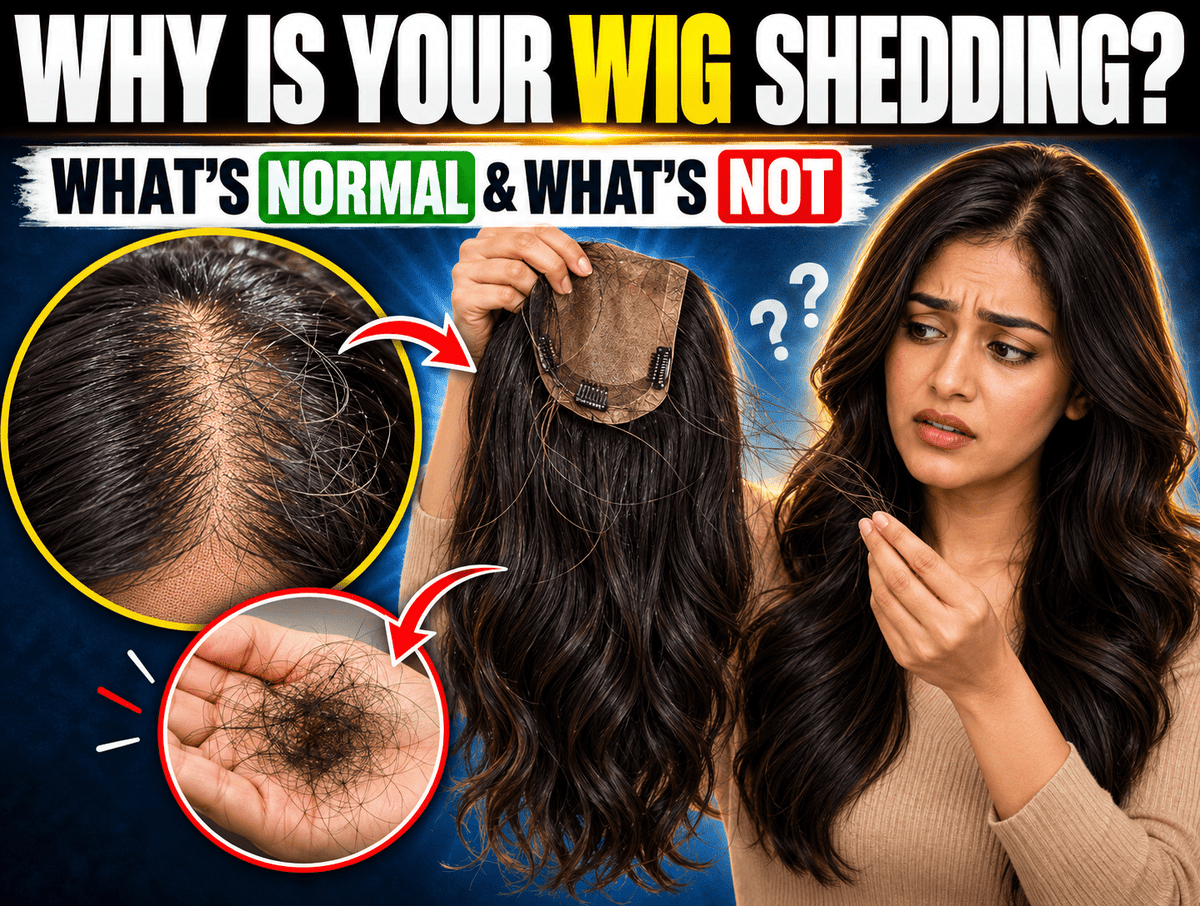
Finding a few strands of hair in your brush after wearing or styling a wig can be unsettling. If you have invested time in choosing a wig that looks natural and feels like part of your everyday appearance, seeing hair come out may immediately raise questions about its condition. You may wonder whether the shedding is expected, whether something in your routine is causing it, or whether the wig itself has developed a problem.
The important distinction is that not every loose strand signals serious damage. Human hair wigs can experience some shedding as they are worn, washed, detangled, and styled. The amount, frequency, and location of that shedding matter. Understanding where the hair is coming from and when the shedding occurs can help you separate ordinary wear from signs that deserve closer attention.
| Table of Content |
Why Do Wigs Shed?
A human hair wig is constructed differently from natural hair growing from your scalp. Natural hair grows directly from follicles, while wig hair is attached to a base or cap. Depending on the wig construction, the strands may be tied to lace, secured individually in specific areas, or arranged in wefts. Since the hair is attached rather than naturally rooted, it can gradually loosen with regular use. This is why some shedding can occur over time, even with proper care.
Some common reasons wig strands may loosen include:
- Regular brushing and detangling
- Washing and conditioning
- Frequent styling
- Friction from clothing or daily wear
- Repeated handling of the hair and base
- Natural wear of the wig’s attachment points over time
A few loose hairs after brushing or washing do not necessarily indicate a problem. Some strands may already be slightly loose and simply detach during normal handling. What matters more is whether the shedding remains occasional or starts becoming noticeably heavier.
It is also important to understand the difference between shedding and breakage. Shedding occurs when the entire strand comes away from the wig base, while breakage happens when the hair shaft snaps but part of the strand remains attached. Dryness, excessive heat, tangling, and rough styling can increase the likelihood of breakage, so identifying the difference can help you adjust your wig care routine.
How Much Wig Shedding Is Normal?
There is no exact number of strands that defines normal wig shedding because every wig is different. The amount you notice can depend on the wig’s construction, density, hair length, frequency of wear, styling routine, and maintenance habits. A few loose strands during brushing, washing, or styling are usually less concerning than shedding that becomes heavier over time. In some cases, you may also notice a small amount of loose hair during the first few wears. Instead of counting every strand, it is more useful to watch for changes in the overall shedding pattern.
Signs that the shedding may still be within a normal range include:
- Only a few strands come out during brushing or washing.
- Shedding happens occasionally rather than continuously.
- The wig still looks evenly dense overall.
- The parting has not become noticeably wider.
- There are no obvious sparse or thinning areas.
- The hairline and other key areas still look consistent.
Pay closer attention if the amount of shedding suddenly increases. If your wig previously lost only an occasional strand but you now notice noticeably more hair after every brushing or washing session, it may indicate a change in the wig’s condition or care routine.
The location of the shedding also matters. Light shedding spread across the wig can be different from hair loss concentrated around the hairline, parting, or one specific section of the cap. Monitoring both the amount and location can make it easier to recognize when ordinary shedding is becoming unusual.
Signs Your Wig Is Shedding More Than It Should
Excessive wig shedding is usually more noticeable as a pattern rather than as one isolated event. One difficult detangling session, for example, may release several loose strands without necessarily indicating an ongoing problem.
Pay closer attention when you notice changes such as:
- Increasing amounts of hair coming out during routine brushing
- Strands repeatedly collecting on clothing or surfaces during normal wear
- Visible thinning around the parting or hairline
- Sparse sections developing in areas that previously looked full
- Hair coming away from one particular portion of the base
- Loose or damaged wefts
- Visible changes in lace or attachment areas
- Shedding that continues to become heavier over several wears
Visual inspection can be more informative than counting individual hairs. Look at the wig in good lighting and compare different areas of the cap. If one area is becoming noticeably thinner, examine the base gently rather than repeatedly brushing it to test how much more hair comes out. Photos can also help. Taking an occasional photograph of the parting, hairline, and interior cap gives you a reference point, making gradual density changes easier to identify.
Common Causes of Excessive Wig Shedding
Several factors can contribute to increased human hair wig shedding, and sometimes more than one is involved.
Rough Detangling
Tangling is one of the most common situations in which unnecessary tension is placed on wig hair. Pulling a brush through knots from the root downward can transfer that force directly to the attachment points. A gentler approach is to work through the ends first and gradually move upward. Supporting the hair with one hand while detangling can also reduce pulling on the base. Longer wigs can require extra attention because the hair has more opportunity to rub against clothing and become tangled around the nape or ends.
Friction During Wear
Hair repeatedly rubbing against collars, scarves, bedding, or other surfaces can contribute to tangling and wear. Friction does not necessarily cause immediate shedding, but repeated rubbing can make hair harder to detangle and increase the amount of pulling required later. The nape is often an area where this becomes noticeable because it frequently comes into contact with clothing.
Tension on Lace or Knotted Areas
Certain natural-looking wigs use delicate construction around the hairline or parting to create the appearance of hair emerging from the scalp. These areas require careful handling. Repeated pulling, scratching, aggressive brushing near the base, or excessive manipulation may loosen individual hairs. When detangling close to the cap, avoid treating delicate areas as though they were your natural scalp.
Chemical Processing
Coloring, lightening, or other chemical processes can affect the condition of human hair. Processing may make strands drier or more vulnerable to breakage, while work performed around attachment points can also affect delicate wig construction. Any customization involving chemicals should therefore be approached carefully and with consideration for the specific wig.
Age and Regular Wear
Even a carefully maintained wig does not remain unchanged indefinitely. Every cycle of wearing, washing, detangling, and styling creates gradual wear. Hair can lose moisture, ends can become more vulnerable to tangling, and attachment points may eventually loosen. Gradual shedding over a long period is therefore different from sudden severe shedding in a relatively unchanged routine.
How Washing, Brushing, and Styling Affect Shedding
Your maintenance routine can affect how much stress a wig experiences. Gentle handling during washing, brushing, and styling can help reduce unnecessary shedding and breakage.
Washing
Human hair wigs need regular cleansing to remove buildup, but washing should always be gentle. Avoid rubbing, twisting, or wringing the hair, as this can create tangles and put stress on the base. After washing, gently remove excess moisture instead of rubbing the wig with a towel. Conditioning the lengths and ends can also help keep the hair manageable and easier to detangle.
Brushing and Detangling
Start from the ends and gradually work upward in small sections. If you find a knot, loosen it gently instead of forcing a brush through it. Avoid excessive brushing, as repeated friction and pulling can place unnecessary tension on the hair and attachment points.
Heat Styling
Human hair wigs can be styled with heat, but frequent or excessive heat may contribute to dryness, breakage, and tangling. Use extra care around lace, knots, and the wig base, and avoid applying unnecessary heat or tension to delicate areas.
How to Reduce Shedding and Care for Your Wig
You may not be able to prevent every loose strand, but a careful routine can help reduce avoidable shedding.
- Detangle gently from the ends upward.
- Avoid pulling directly on the wig base.
- Wash without rubbing, twisting, or wringing.
- Limit excessive heat near delicate areas.
- Avoid unnecessary handling of the hairline and parting.
- Store the wig carefully to prevent tangling.
- Deal with knots before they become severe.
Pay attention to changes in texture and manageability. If the hair becomes increasingly dry, tangled, or difficult to brush, rough handling may lead to more tension and shedding. Good maintenance helps protect both the appearance of the wig and its overall construction.
When Wig Shedding May Indicate a Bigger Problem
Occasional loose strands do not always mean there is a serious problem. However, if the shedding becomes concentrated, increases suddenly, or starts changing the visible density of the wig, it is worth checking the construction more closely.
Signs that may need closer attention include:
- Shedding concentrated in one specific area
- A loose weft or damaged lace
- A visibly weakened attachment area
- Sparse patches developing quickly
- Increased shedding after washing, coloring, or styling
- More tangling, friction, or heat exposure than usual
- Continued shedding even after switching to gentler handling
It can also help to think about what changed before the shedding became noticeable. A new washing method, a difficult detangling session, recent customization, or repeated heat styling may have contributed to additional stress on the wig.
If you notice visible damage to the base, significant localized thinning, or loose construction, a professional assessment may be more useful than repeatedly trying different home fixes. A wig professional can examine whether the issue is related to maintenance, attachment points, or structural wear.
Conclusion
Seeing hair come out of your wig does not always mean something is wrong. A few loose strands can occur through normal wear and handling, particularly during washing, detangling, and styling. What matters more is whether the shedding is occasional and stable or becoming progressively heavier and visibly changing the density of the wig.
Gentle maintenance is one of the most practical ways to reduce avoidable wig shedding. Handle the hair carefully, limit unnecessary tension and friction, and pay attention to changes around the parting, hairline, and base. By recognizing the difference between ordinary wear and unusual shedding early, you can make more informed decisions about care and maintenance.
Wondering what’s best for your hair concerns?📞+91 9967123333 Reach out to us now, and we’ll guide you with expert advice tailored to you. Your journey to healthier hair starts here!
Looking for a natural wig that won’t feel itchy or fake?
Our team can guide you to the perfect human hair wig — soft, breathable, and beautiful.
👉 [Click here for personalised support.]
Read more
Can Hair Toppers Help Women With Alopecia Feel More Confident?
Hair can be closely connected to identity, personal style, and the way you feel about your appearance. When alopecia causes visible thinning or hair loss, especially around the top or crown, everyd...
Read more
Will a Hair Topper Stay in Place on a Windy Day?
One of the most common worries about wearing a hair topper outdoors is simple: what happens when the wind picks up? If you are using a topper to cover thinning at the crown or create fuller-looking...
Read moreneed help?


Leave a comment
This site is protected by hCaptcha and the hCaptcha Privacy Policy and Terms of Service apply.