

Article: Can You Get Highlights Without Removing Permanent Hair Extensions?
Can You Get Highlights Without Removing Permanent Hair Extensions?
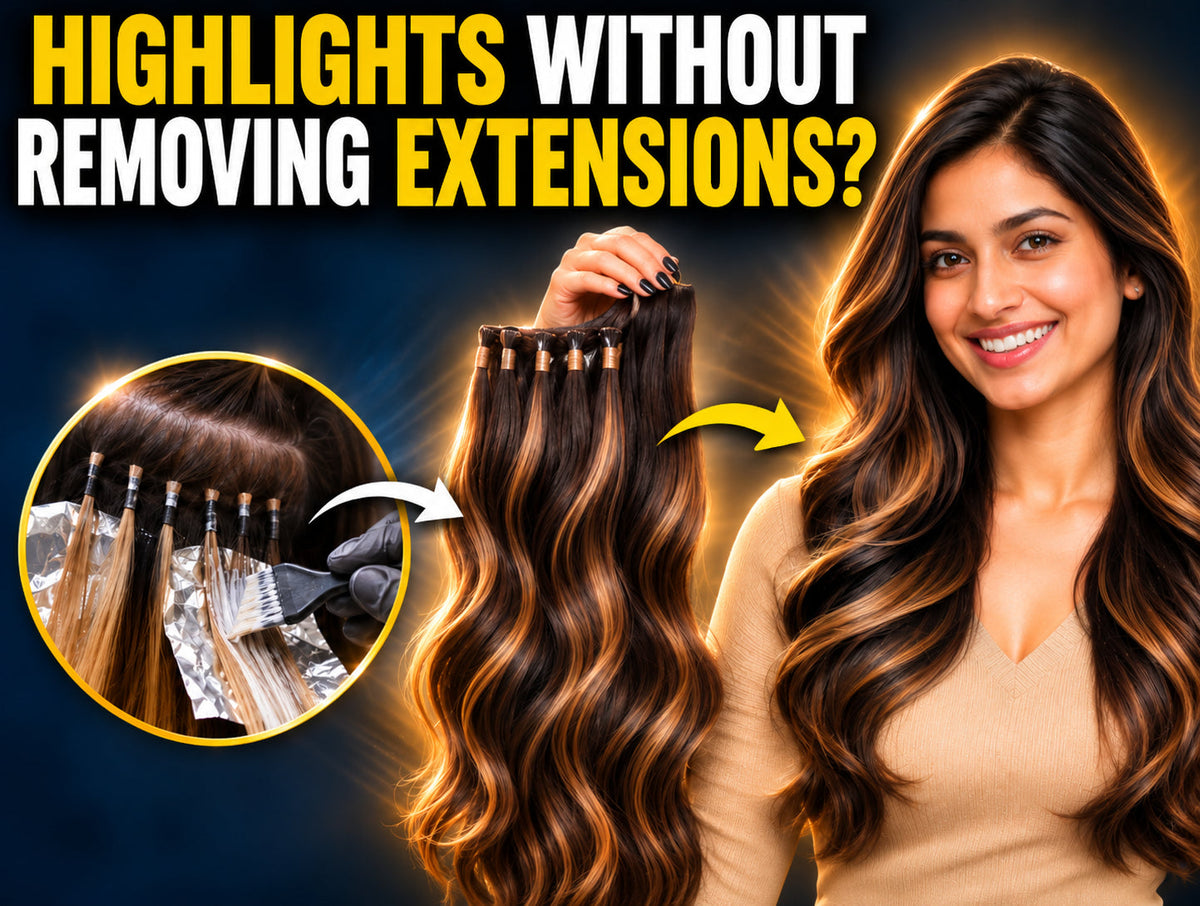
Highlights can add brightness, depth, and dimension to your hair without changing its overall color. However, if you already have permanent hair extensions installed, you may wonder whether you can get highlights without removing them.
The answer depends on your extension type, attachment placement, and desired color. While certain highlighting techniques can be performed with extensions in place, others may require removal to protect the attachments and achieve an even result. Understanding these considerations can help you make the right decision.
| Table of Content |
Can You Get Highlights With Permanent Hair Extensions?
Yes, getting highlights while wearing permanent hair extensions may be possible, but not every highlighting technique is suitable. The process depends on your extension type, attachment placement, and desired color change. Permanent extensions are attached to your natural hair using tape, micro rings, or keratin bonds. Since bleach and certain coloring products can affect these attachment points, extra care is required during highlighting.
Here are some important factors to consider:
- A professional colorist may be able to highlight accessible sections of your natural hair without removing the extensions.
- Major color changes or lightening near attachment points may require removing the extensions first.
- Although human hair extensions can sometimes be colored, they may already be chemically processed. Additional bleaching can affect their texture, strength, and appearance.
- Your natural hair condition, extension placement, and desired highlights should be evaluated before beginning the process.
With careful planning and professional application, certain highlights can be achieved while keeping your permanent hair extensions in place.
How Highlighting Works With Installed Extensions?
Highlighting involves lightening selected hair strands to add depth, contrast, and dimension. When permanent hair extensions are installed, the process requires careful sectioning to protect attachment points and achieve a natural-looking result.
Separating Natural Hair
A professional colorist must identify which sections of your natural hair can be highlighted without disturbing the extensions. Hair around the crown and upper layers may be easier to access, depending on the extension placement. However, sections secured within attachment points can be difficult to color evenly. Proper sectioning helps prevent unnecessary pulling and allows highlights to blend naturally with your existing extensions.
Protecting Attachment Points
Bleach and coloring products can affect the stability of extension attachments. Tape adhesives and keratin bonds may weaken when exposed to chemicals, while product buildup around micro rings can create maintenance difficulties. A professional colorist must carefully apply lightening products away from these areas to minimize the risk of loosening or damaging the extensions.
Matching Highlights With Extensions
Your highlights should complement your existing extension color for a balanced, natural-looking appearance. If your natural hair becomes significantly lighter while the extensions remain dark, the difference may become noticeable. A professional colorist may recommend subtle highlight shades or suggest incorporating complementary extension colors during future maintenance appointments to achieve a smoother blend.
Highlighting Different Types of Permanent Extensions
Different permanent hair extension methods use different attachment systems, which can influence how highlighting is performed. While certain sections of natural hair may be highlighted without removing the extensions, each method requires specific precautions to protect the attachments and achieve an even color.
| Extension Type | Attachment Method | Highlighting Considerations |
Tape-In Extensions |
Adhesive tape sections |
Bleach should not contact the adhesive, and some natural hair sections may be difficult to access. |
Micro ring Extensions |
Small rings securing individual strands |
Selected sections may be highlighted, but careful application around the rings is necessary. |
Keratin bond Extensions |
Individual keratin-based bonds |
Lightening products must avoid the bonds to prevent weakening the attachments. |
Tape-In Hair Extensions
Tape-in hair extensions use adhesive sections to attach extension strands to natural hair. Since these attachments lie flat, they can restrict access to certain areas during highlighting. Bleach or coloring products contacting the adhesive may cause loosening or slipping. Subtle highlights away from the tape sections may be possible, while extensive color changes may require temporary removal.
Micro Ring Hair Extensions
Micro ring hair extensions are secured using small rings without adhesives. Depending on their placement, a professional colorist may be able to highlight accessible natural hair sections. However, careful sectioning is essential to avoid unnecessary tension, uneven coloring, and product buildup around the rings.
Keratin Bond Hair Extensions
Keratin bond extensions use individual keratin-based bonds to attach extension strands to natural hair. Selected sections between the bonds may be highlighted if the lightening products remain away from the attachment points. For extensive highlighting or color changes close to the roots, removing the extensions first may allow more precise and even application.
Risks and Precautions Before Highlighting
Highlighting with permanent hair extensions requires extra care because chemical treatments can affect your natural hair, extension strands, and attachment points differently. Understanding the possible risks and taking appropriate precautions can help maintain the condition of your extensions while achieving a natural-looking result.
Possible Risks
Bleach and coloring products may weaken tape adhesives and keratin bonds, potentially causing extensions to loosen or slip. Previously processed human hair extensions may also become dry, fragile, or more prone to breakage after additional lightening. Installed extensions can restrict access to certain hair sections, resulting in uneven highlights or noticeable color differences between natural hair and extension strands. Additionally, excessive pulling during sectioning may place unnecessary tension on your natural hair and attachment points.
Important Precautions
Before highlighting, a professional colorist should assess your natural hair condition, existing color, and extension attachments to determine which techniques are suitable. Bleach and coloring products should be kept away from attachment points, and the extension manufacturer's coloring guidelines should be followed. It is also important to avoid bleaching extension hair without professional assessment, as additional chemical processing may affect its texture and appearance. DIY highlighting is generally not recommended because improper sectioning or product application can increase the risk of damage. Careful planning and professional application can help minimize these risks while maintaining a balanced, natural-looking result.
When Should You Remove Extensions Before Highlighting?
Although removing permanent hair extensions is not always necessary before highlighting, certain situations may make removal a more practical option. The decision depends on your desired color change, extension placement, and the condition of your natural hair.
Here are some situations where removing extensions may be recommended:
- If you want to transform dark hair into significantly lighter highlights, extensive bleaching may be required. Removing the extensions allows better access to your natural hair for more even color application.
- Root highlighting requires precise sectioning and application. If extension attachments are positioned near the areas being highlighted, removing them may help achieve a more consistent result.
- If your extensions are already due for adjustment or reinstallation, coordinating your highlighting service with the maintenance appointment can be convenient. Your natural hair can be colored before the extensions are reattached.
- If your new highlights create a noticeable contrast with your existing extensions, selecting complementary extension shades may help achieve a more natural blend without bleaching the extension hair.
Removing extensions when necessary allows greater flexibility during highlighting and helps minimize unnecessary chemical exposure to the attachment points.
Maintaining Highlights and Hair Extensions
After highlighting, maintaining both your hair color and permanent hair extensions is important for preserving their natural appearance and condition. Following a suitable hair-care routine can help manage dryness, reduce tangling, and keep extension attachments secure.
Use Suitable Hair-Care Products
Choose shampoos and conditioners suitable for color-treated hair and your specific extension method. Gentle cleansing and proper conditioning can help manage dryness and maintain softness. Avoid applying heavy oils or conditioning products directly to adhesive tapes and keratin bonds, as they may affect attachment stability.
Brush and Wash Carefully
Handle your hair gently while washing and brushing to prevent unnecessary pulling around the attachment points. Avoid vigorous rubbing, and gently detangle your hair from the ends upward while supporting it near the roots. This is particularly important after highlighting because chemically lightened hair may be more prone to dryness and breakage.
Limit Excessive Heat
Frequent exposure to high styling temperatures can contribute to dryness in both highlighted natural hair and human hair extensions. Use a suitable heat protectant and moderate styling temperatures when possible. Keep heated styling tools away from tape adhesives and keratin bonds to avoid affecting the attachments.
Follow Regular Maintenance
Regular professional maintenance helps monitor extension attachment security, natural hair growth, and the overall condition of your hair. If you notice slipping extensions, unusual tangling, or changes in hair texture after highlighting, have them professionally assessed. Consistent maintenance can help preserve a smooth, natural-looking blend between your highlights and extensions.
Frequently Asked Questions
Q. Can you bleach your hair while wearing permanent extensions?
A. Selected natural hair sections may be lightened while extensions remain installed. However, bleach should not contact attachment points, and extensive lightening may require extension removal.
Q. Can 100% human hair extensions be highlighted?
A. Human hair extensions can sometimes undergo coloring, but bleaching previously processed hair may cause dryness, breakage, or uneven results. Always follow manufacturer guidance and professional advice.
Q. Can you get balayage with permanent hair extensions?
A. Certain balayage techniques may be possible on accessible natural hair sections. The suitability depends on extension placement and how much lightening is required.
Q. Will highlights damage tape-in extensions?
A. Highlights do not automatically damage tape-in extensions. However, bleach or coloring products contacting the adhesive may weaken its hold, making careful application essential.
Q. Should you highlight your hair before getting permanent extensions?
A. Highlighting before installation is often more practical when planning significant color changes. It allows the extensions to be selected and matched to your finished hair color.
Q. Can extensions create a highlighted look without bleaching?
A. Yes. Combining complementary shades of human hair extensions can create natural-looking dimension without chemically lightening the extension hair.
Conclusion
Getting highlights without removing permanent hair extensions may be possible when the desired color change is subtle and the natural hair can be accessed without disturbing attachment points. However, extensive highlighting, root lightening, or major color changes may require temporary removal for more precise application.
The right approach depends on your extension method, hair condition, and highlighting goals. Professional color planning and careful maintenance can help you achieve a balanced, natural-looking result while minimizing unnecessary stress on your hair and extensions.
Let us simplify your hair loss journey! 📞+91 9967123333 Call us now for a consultation, and our specialists will guide you toward the ideal solution for you.
Worried a topper will look fake or feel heavy? We get it. That’s why we customize our advice based on your needs.👉 [Click here to get topper suggestions just for you.]
Read more
Can a Hair Topper Make Thin Hair Look Fuller and Thicker?
Thin hair can make it difficult to achieve the volume and fullness you want, particularly around the crown and parting area. As hair density decreases, the scalp may become more visible, and hairst...
Read moreneed help?


Leave a comment
This site is protected by hCaptcha and the hCaptcha Privacy Policy and Terms of Service apply.