

Are Permanent Hair Extensions Safe for Fine Hair in Indian Weather?
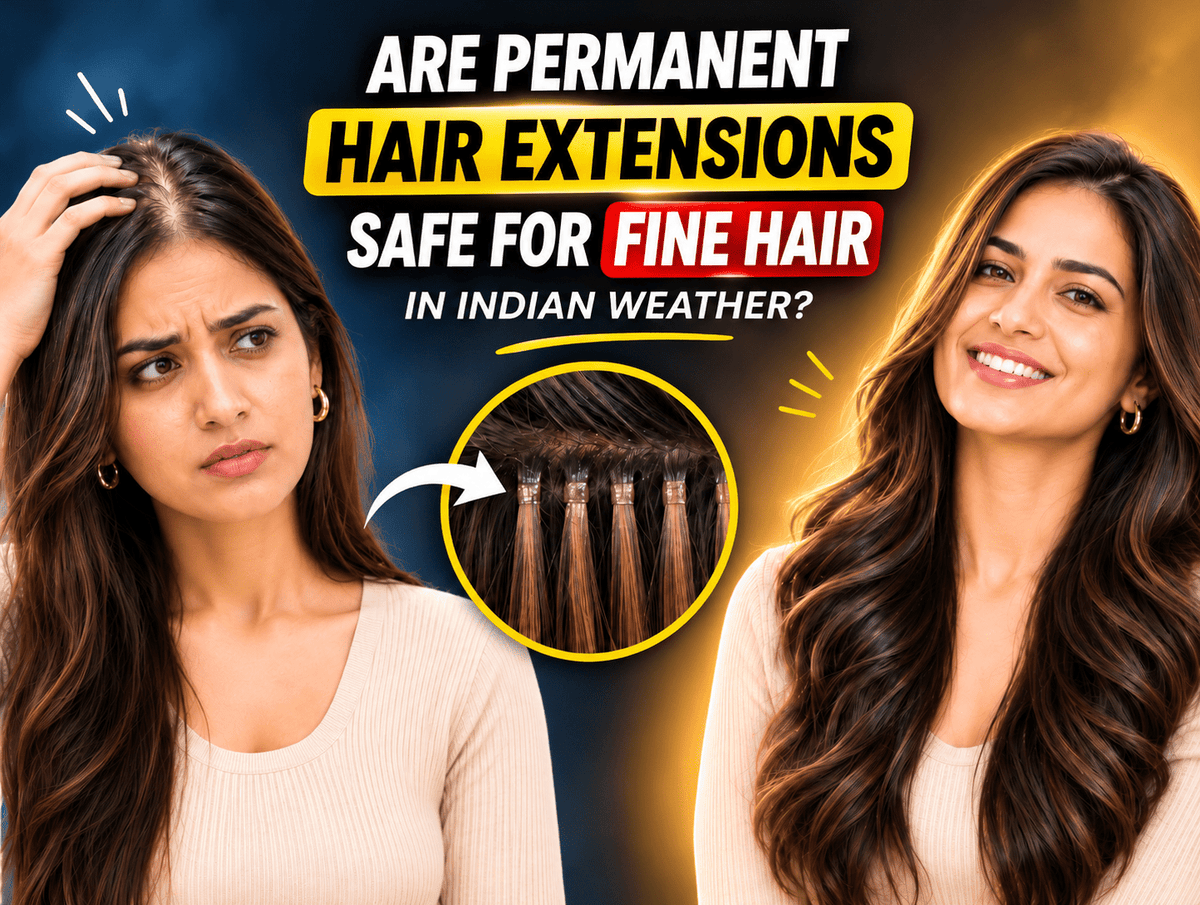
Fine hair can make it difficult to achieve fuller, longer hairstyles naturally. Permanent hair extensions offer a way to add length and volume without the need for daily application. However, women with fine hair often wonder whether extensions are safe for delicate strands, especially in India's hot and humid climate.
From summer sweating to monsoon humidity, Indian weather can influence how hair extensions look, feel, and require maintenance. The good news is that permanent hair extensions may be suitable for some women with fine hair when chosen carefully. Understanding attachment methods, hair strength, and proper care is essential for achieving a natural appearance without placing unnecessary stress on your hair.
| Table of Content |
Understanding Permanent Hair Extensions for Fine Hair
Permanent hair extensions are professionally attached to natural hair to add length and volume. They are designed for everyday wear, including washing, sleeping, and styling. Although called permanent, they require regular professional maintenance as natural hair grows. For women with fine hair, choosing lightweight extensions and suitable attachment methods is especially important. Fine hair has thinner individual strands, while thin hair refers to lower overall hair density. Understanding this difference helps determine which extensions may be suitable.
Before choosing permanent hair extensions, consider these important factors.
- Delicate strands may struggle to support heavy extensions.
- Lightweight extensions can help minimize unnecessary tension on natural hair.
- Proper positioning helps distribute weight evenly and improve comfort.
- Natural hair density influences extension coverage, blending, and visibility.
- Extensions should complement your natural hair for a balanced, realistic appearance.
Choosing permanent hair extensions for fine hair requires careful consideration of hair strength, density, and attachment techniques. The right combination can help create fuller-looking hair while minimizing unnecessary stress on delicate strands. Professional assessment and proper maintenance are important for achieving comfortable, natural-looking results.
Are Permanent Hair Extensions Safe for Fine Hair?
Permanent hair extensions can be suitable for women with fine hair when selected and applied carefully. Their safety depends on natural hair strength, extension weight, attachment technique, and regular maintenance. Fine hair requires extra attention because delicate strands may be more vulnerable to excessive pulling. Extensions that are too heavy or attached too tightly can cause breakage and contribute to traction-related hair loss. Professional application helps minimize unnecessary tension by distributing extension weight appropriately. However, no extension method can guarantee complete protection against hair damage.
Several factors are important for ensuring comfortable application.
- Natural hair thickness, density, and strength should be evaluated before installation.
- Smaller, lighter extension sections may help reduce unnecessary pressure on delicate strands.
- Carefully positioned attachments help distribute weight and minimize pulling.
- Extensions should not cause persistent tightness, soreness, or irritation.
- Women experiencing active hair shedding or significant thinning should have their hair condition evaluated before considering extensions.
Permanent hair extensions should enhance fullness without placing excessive stress on natural strands. Choosing a suitable attachment method and ensuring professional application can help reduce the risk of damage. Regular maintenance and attention to scalp comfort are equally important for keeping extensions manageable during everyday wear.
How Indian Weather Affects Hair Extensions?
Indian weather can influence the comfort, appearance, and maintenance of permanent hair extensions, particularly during hot summers and humid monsoon seasons. High temperatures, excessive sweating, and moisture in the air can affect how natural hair and extensions behave throughout the day. Women with fine hair may notice these changes more easily because delicate strands can become oily, flat, or tangled. Although weather conditions do not automatically make extensions unsafe, understanding seasonal challenges helps maintain their appearance and manageability.
Summer Heat and Sweating
During Indian summers, high temperatures can cause increased scalp sweating and natural oil buildup around extension attachments. For women with fine hair, excess oil may make the roots appear flat and cause attachment sections to become more noticeable. Sweat and product buildup can also make the scalp feel uncomfortable if cleansing is neglected. Regular washing with suitable hair care products helps maintain scalp cleanliness and manage excess oil. However, cleansing should be gentle around extension attachments, especially when wearing tape-in or keratin bond extensions. Avoid aggressive rubbing and follow the recommended washing routine to help maintain attachment stability.
Monsoon Humidity and Frizz
High humidity during the monsoon season can cause natural hair to absorb moisture from the surrounding air, leading to frizz, tangling, and changes in texture. Fine hair may lose its smooth appearance, while extension hair can respond differently depending on its texture and processing. This difference may make blending more challenging, particularly when natural hair becomes frizzy. Choosing human hair extensions that closely match your natural texture can help create a more consistent appearance. Gentle brushing, appropriate conditioning, and minimizing excessive heat styling can also help manage frizz. Keeping the hair properly detangled is especially important during humid weather.
Rain and Wet Hair
Frequent rainfall during the monsoon season can leave natural hair and extensions damp for extended periods. Although getting permanent extensions wet does not automatically damage them, improper drying may contribute to tangling and discomfort around attachment areas. Wet hair is also more vulnerable to breakage when brushed or pulled aggressively. After exposure to rain, gently remove excess moisture using a soft towel without rubbing or twisting the hair. Carefully detangle the lengths and dry the roots and attachment areas using the recommended technique for your extension method. Avoid sleeping with wet extensions, as prolonged dampness and movement can make tangling more difficult to manage.
Understanding how seasonal weather affects your extensions allows you to adjust your hair care routine accordingly. Gentle cleansing, proper drying, and regular detangling can help maintain a natural appearance throughout summer and monsoon conditions. With appropriate maintenance, permanent hair extensions can remain manageable while minimizing unnecessary stress on fine hair.
Which Permanent Hair Extensions Are Suitable for Fine Hair?
Choosing permanent hair extensions for fine hair depends on natural hair strength, density, and attachment techniques. Tape-in, micro ring, and keratin bond extensions are commonly used methods, each offering different benefits and maintenance requirements. Since fine hair has delicate strands, selecting lightweight extensions and ensuring proper placement is essential. Understanding these methods can help you choose extensions that add natural-looking volume without creating excessive tension.
Tape-In Hair Extensions
Tape-in hair extensions use thin adhesive strips to attach additional hair near the roots. Their flat design allows the extensions to sit smoothly against the scalp, creating a natural appearance when properly applied. They may be suitable for some women with fine hair because the attachment sections can distribute weight across supporting strands. However, heavy extensions or incorrect placement may cause unnecessary pulling. In humid Indian weather, sweat and scalp oils can affect adhesive performance, making gentle cleansing and professional maintenance important.
Micro Ring Hair Extensions
Micro ring hair extensions use small metal rings to secure extension strands without adhesive or bonding heat. This method allows customized placement based on natural hair density and desired volume. For fine hair, ring size and extension weight must be carefully selected. Incorrectly fitted rings may slip, pull, or cause discomfort. Regular professional adjustments help maintain secure attachments as natural hair grows.
Keratin Bond Hair Extensions
Keratin bond hair extensions use individual bonding points, typically secured with controlled heat, to attach extensions to natural hair. Their small sections allow flexible placement and help create balanced volume and length. For women with fine hair, bond size and extension weight should match the strength of natural strands. Improper application or removal can contribute to breakage, making professional handling and gentle maintenance essential.
Choosing the Right Method
No single extension method is suitable for every fine-hair type. The right choice depends on hair strength, density, scalp comfort, and desired volume. Professional assessment, lightweight attachments, and regular maintenance can help minimize unnecessary tension while maintaining a natural-looking result.
Maintaining Hair Extensions in Indian Weather
Maintaining permanent hair extensions in Indian weather requires extra attention because heat, humidity, sweating, and seasonal rainfall can affect scalp comfort and hair manageability. Fine hair may become oily, tangled, or flat more easily, making regular care particularly important. A consistent maintenance routine helps preserve the appearance of extensions while reducing unnecessary pulling on natural strands. Proper cleansing, drying, brushing, and professional upkeep can help keep extensions comfortable throughout different seasons.
Keep the Scalp Clean
Hot and humid weather can increase scalp sweating and oil buildup around extension attachments. Wash your hair regularly according to your scalp needs and the recommended care instructions for your extension method. Use gentle cleansing techniques without rubbing or pulling the attachment areas excessively. Avoid applying unsuitable oils, heavy conditioners, or styling products directly to adhesive or bonded sections, as they may affect attachment stability.
Dry Hair Properly
After washing or exposure to rain, gently remove excess water using a soft towel without twisting or rubbing the hair. Pay particular attention to drying the roots and attachment areas, as prolonged dampness can make tangling more difficult to manage. Use an appropriate drying technique and avoid excessive heat near extension bonds or attachments. Make sure the hair is adequately dry before sleeping or tying it up.
Brush Carefully
Fine hair requires gentle handling because excessive brushing or pulling can lead to breakage. Use a brush suitable for extensions and begin detangling from the ends, gradually moving toward the roots. Support the hair near attachment points while brushing to minimize tension. Avoid forcing the brush through knots, especially when the hair is wet or tangled.
Avoid Excessive Heat Styling
Frequent use of straighteners, curling tools, and high-temperature dryers can affect both natural hair and extension strands. Use suitable temperature settings and avoid repeatedly applying heat to the same sections. During humid weather, choosing hairstyles that complement your natural texture can help reduce frequent restyling while keeping extensions looking smooth and blended.
Schedule Regular Maintenance
As natural hair grows, extension attachments gradually move away from the scalp, which may affect their positioning and weight distribution. Regular professional maintenance helps identify loose attachments, tangling, or excessive tension before these issues become more difficult to manage. Follow the recommended adjustment schedule for your extension method and always choose professional removal to minimize unnecessary stress on natural hair.
Consistent maintenance plays an important role in keeping permanent hair extensions manageable during Indian summers and monsoons. Gentle cleansing, proper drying, careful brushing, and regular professional adjustments can help preserve a natural appearance while reducing unnecessary strain on fine hair.
Common Concerns About Fine Hair and Extensions
Women considering permanent hair extensions often have concerns about hair damage, comfort, and achieving a natural appearance. These concerns become more important for women with fine hair because delicate strands may be sensitive to additional weight and tension. Understanding the possible risks and the importance of proper application can help you make an informed decision while maintaining your natural hair's condition.
Can Extensions Damage Fine Hair?
Permanent hair extensions may contribute to breakage or traction-related hair loss if they are too heavy, attached too tightly, or maintained incorrectly. Fine hair requires careful weight distribution because delicate strands may struggle to support excessive extension weight. Persistent pulling, scalp tenderness, or increased breakage around attachment areas should not be ignored. Professional application, regular maintenance, and timely adjustments can help reduce unnecessary tension on natural hair.
Will Extensions Feel Heavy?
The comfort of permanent hair extensions depends on their weight, attachment placement, and the strength of natural hair. Extensions that add excessive length or volume may feel heavy, particularly when attached to fine or delicate strands. Choosing lightweight extensions and moderate volume can help improve everyday comfort. Properly positioned attachments should allow natural hair movement without causing persistent tightness, soreness, or pulling.
Will Permanent Extensions Look Natural?
Natural-looking permanent hair extensions depend on matching the color, texture, length, and density of the additional hair with your existing strands. For women with fine hair, selecting an appropriate amount of volume is particularly important to maintain a balanced appearance. Excessively thick extensions may create a noticeable difference between natural roots and the added lengths. Careful placement, suitable texture matching, and professional blending can help extensions complement your natural hairstyle.
What About Existing Hair Thinning?
Women experiencing noticeable hair thinning or increased shedding should be cautious before choosing permanent hair extensions. When natural hair density is reduced, individual strands may not provide enough support for additional extension weight. Attaching extensions to weakened areas can increase tension and potentially contribute to further breakage. If thinning is significant or progressing, a dermatologist can assess the underlying concern before extensions are considered.
Understanding these common concerns helps women with fine hair approach permanent extensions with realistic expectations. Choosing suitable extension weight, ensuring careful professional application, and maintaining attachments regularly can help improve comfort and appearance. The priority should always be achieving natural-looking fullness without placing unnecessary stress on existing hair.
Frequently Asked Questions
Q. Can women with very fine hair wear permanent extensions?
A. Some women with very fine hair may be suitable candidates if their natural hair has adequate strength and density. Professional evaluation is important because excessive extension weight can place stress on delicate strands.
Q. Are tape-in extensions suitable for humid Indian weather?
A. Tape-in extensions can be worn in humid conditions, but adhesive care and appropriate cleansing are important. Suitability also depends on the natural hair's ability to support the attachment sections.
Q. Does sweating loosen permanent hair extensions?
A. Sweating may contribute to buildup and can affect certain attachment systems, particularly when combined with scalp oils or unsuitable products. However, sweating does not automatically loosen every extension type.
Q. Can permanent hair extensions cause hair loss?
A. Extensions may contribute to traction-related hair loss when excessive or repeated pulling affects natural strands. Appropriate application and maintenance can help reduce unnecessary tension, but they do not eliminate all risks.
Q. Can I wash permanent hair extensions regularly?
A. Yes. Regular cleansing is important for maintaining scalp hygiene, particularly during hot weather. Washing frequency and product selection should follow the requirements of the extension method and your individual scalp needs.
Q. Which extension method is suitable for fine hair?
A. Tape-in, micro ring, and keratin bond extensions may all be considered depending on hair condition and attachment requirements. No single method is universally suitable for every woman with fine hair.
Conclusion
Permanent hair extensions can be an option for women with fine hair in Indian weather, provided their natural strands can support the additional weight. Heat, humidity, and monsoon conditions mainly affect scalp comfort, cleansing, drying, and styling rather than automatically making extensions unsuitable.
Choosing an appropriate attachment method, avoiding excessive tension, and following professional maintenance guidance are essential considerations. Understanding your natural hair's strength and limitations will help you make a more informed decision about adding length and volume while prioritizing hair health.
Take the first step toward confident hair today! 📞 +91 9967123333 Call us for a personalized consultation and discover the most effective solution for your hair needs.
Not sure if extensions are right for your hair type?
Let our team help you choose the most natural and long-lasting option.
👉 [Click here to get expert guidance!]
Read more
Can a Wig Be Too Dense? How to Choose Natural Wig Density for Indian Faces
When choosing a wig, most women focus on hair length, color, and texture. However, wig density is equally important in determining how natural the wig looks. Density refers to the amount of hair at...
Read more
Can a Hair Topper Make Thin Hair Look Fuller and Thicker?
Thin hair can make it difficult to achieve the volume and fullness you want, particularly around the crown and parting area. As hair density decreases, the scalp may become more visible, and hairst...
Read moreneed help?


Leave a comment
This site is protected by hCaptcha and the hCaptcha Privacy Policy and Terms of Service apply.