

What Are the Most Common Wig Myths Women Should Stop Believing?
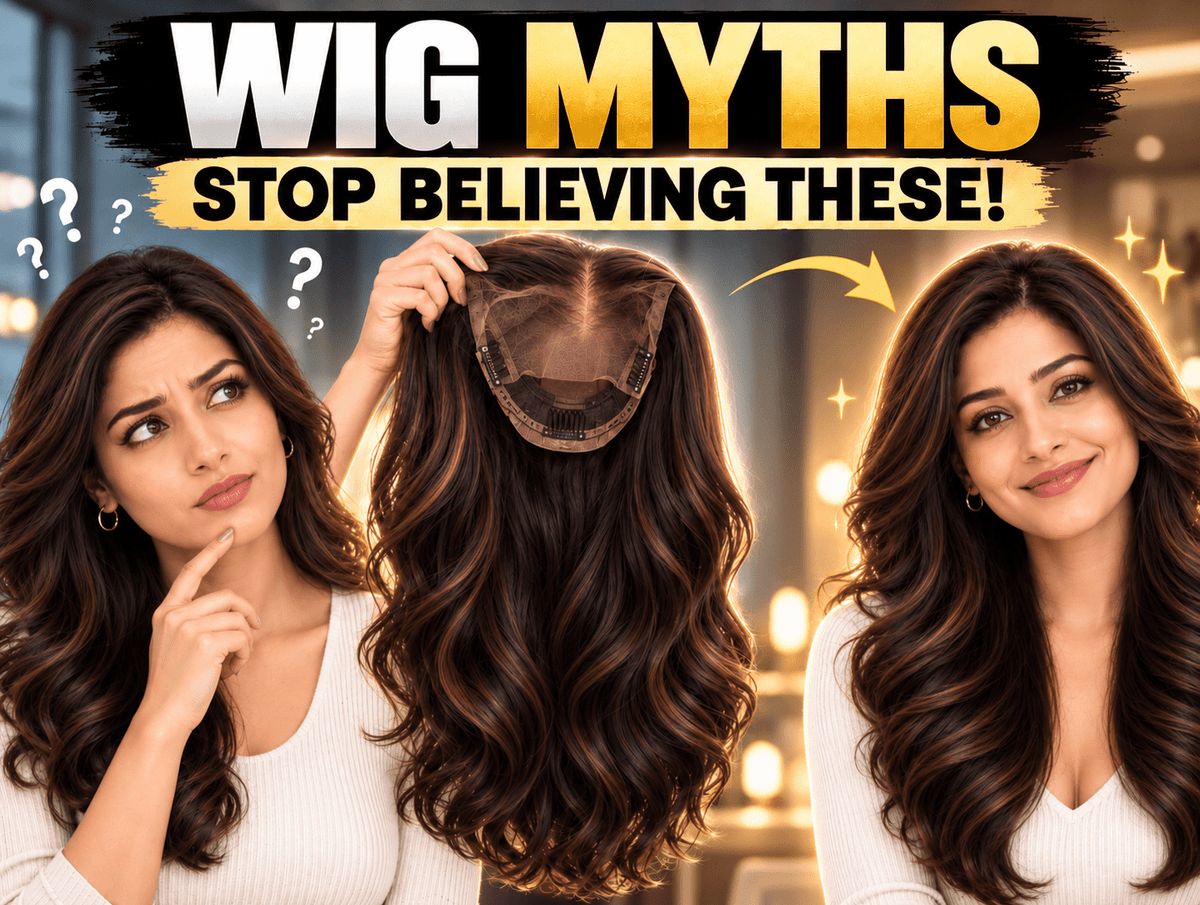
Wigs have become a versatile hair solution for women who want to change their hairstyle, add fullness, or manage visible hair loss. Yet, despite improvements in wig construction, styling, and customization, several misconceptions continue to influence how women perceive them. Some believe wigs always look artificial, feel uncomfortable, or damage natural hair, while others assume they are suitable only for women experiencing significant hair loss.
These assumptions can make choosing a wig unnecessarily confusing, especially if you're considering one for the first time. Understanding how modern wigs work, what affects their appearance and comfort, and how to care for them can help separate common myths from practical facts. Let's explore the most common wig myths and the realities behind them.
| Table of Content |
Why Do Women Still Believe Common Myths About Wigs?
Many misconceptions about wigs come from outdated experiences, limited knowledge, or assumptions based on poorly fitted hairpieces. Older wig designs sometimes had noticeable hairlines, excessive volume, or rigid constructions that made them appear less natural. These impressions have continued to shape opinions, even though wig construction techniques and customization options have developed considerably.
Another reason is that women may have little opportunity to understand the differences between wig types before choosing one. Human hair wigs, for example, can vary in cap construction, hair density, texture, and styling flexibility. A wig that looks natural on one person may require adjustments to suit another person's facial features, head shape, and hairstyle preferences. Social perceptions also play a role. Some women associate wigs exclusively with hair loss, while others worry that wearing a wig might attract unwanted attention. These concerns are understandable, particularly when maintaining a familiar appearance matters personally or professionally.
However, wigs serve different purposes for different women. Some wear them to manage thinning hair, others to explore hairstyles, and some simply prefer the convenience of having a particular look available without changing their natural hair. Understanding these differences is important because the appearance, comfort, and practicality of a wig depend on several individual factors rather than a single universal experience.
Myth: Wigs Always Look Fake and Unnatural
One of the most common wig myths is that people can easily recognize when someone is wearing a wig. While poorly fitted or incorrectly styled wigs may appear noticeable, modern human hair wigs can closely resemble natural hair in texture, movement, color, and overall appearance.
What Makes a Wig Look Natural?
A natural-looking wig depends on several factors, including hairline design, density, texture, and proper fitting. These elements help create a realistic appearance that complements your facial features and personal style.
Several factors contribute to a natural appearance.
- A carefully constructed hairline creates a realistic transition between the forehead and hair.
- Balanced volume around the crown and hairline prevents an overly thick or unnatural appearance.
- Choosing a suitable hair color helps create a natural and consistent look.
- A texture that resembles your desired hairstyle makes the wig look more realistic.
- A well-fitted wig sits securely and naturally without appearing raised or misplaced.
Can Human Hair Wigs Look Like Natural Hair?
Human hair wigs offer natural movement and styling flexibility because they are made from real human hair. They can be cut, shaped, and styled to complement individual facial features and preferences. However, a realistic appearance depends on more than the hair itself. Proper cap construction, hair placement, density, and customization also play important roles. When these elements work together, a wig can look natural and complement your overall appearance.
Myth: Wigs Are Uncomfortable, Hot, and Difficult to Wear
Many women believe that wearing a wig causes constant itching, heaviness, or discomfort. However, this is not always true. Comfort largely depends on the wig's size, weight, cap construction, and proper fitting. A well-fitted wig can feel secure and comfortable, while an incorrect fit may cause pressure or frequent shifting.
Does Wearing a Wig Make Your Scalp Hot?
Wigs can create some warmth because they cover the scalp, especially in hot or humid weather. However, breathable cap constructions and lightweight designs can help improve airflow and reduce discomfort. Scalp sensitivity also plays an important role. Women experiencing hair loss or undergoing medical treatments may have a more sensitive scalp, making the choice of materials and fit particularly important.
What Helps Make a Wig Comfortable for Everyday Use?
Choosing the right wig and ensuring a proper fit can make everyday wear more comfortable. A correctly sized wig cap should sit securely without creating excessive pressure, while lightweight construction and breathable materials can help reduce heaviness and warmth, especially during extended wear. Comfort also depends on gentle attachment methods and regular hygiene. Avoiding overly tight clips, keeping the wig and scalp clean, and taking breaks when practical can help minimize irritation. Women wearing wigs for the first time may find it helpful to start with shorter wearing periods to become familiar with the fit and feel.
Women wearing wigs for the first time may need time to adjust. Starting with shorter wearing periods can help them become familiar with the fit and feel. A properly fitted wig should not cause persistent pain, itching, or irritation, so ongoing discomfort may indicate that adjustments are needed.
Myth: Wearing Wigs Causes Hair Loss or Prevents Hair Growth
Many women worry that wearing wigs may damage their natural hair or prevent new hair from growing. However, simply covering the scalp with a wig does not stop hair growth. Hair grows from follicles beneath the skin, and its growth depends on factors such as genetics, hormonal changes, and overall health.
Do Wigs Stop Natural Hair From Growing?
Wearing a wig does not directly interfere with the natural hair growth process because hair grows from follicles beneath the scalp. Hair growth is influenced by factors such as genetics, hormonal changes, and overall health rather than simply covering the head with a wig. However, improper fitting, excessive tension, or repeated friction may place unnecessary stress on existing hair and cause scalp discomfort. Choosing a properly fitted wig, avoiding tight attachments, and following gentle wearing practices can help reduce these concerns while allowing natural hair growth to continue.
Can Wearing Wigs Damage Your Natural Hair?
Wigs do not automatically damage natural hair, but improper fitting, tight clips, or excessive pulling can cause breakage and scalp irritation. Choosing a comfortable fit and handling attachments gently can help reduce these risks. Keeping your natural hair loosely arranged beneath the wig and maintaining proper scalp hygiene are also important. With appropriate care and gentle wearing practices, women can minimize unnecessary stress on their natural hair.
Women experiencing ongoing hair loss or scalp irritation should seek professional guidance to understand the underlying cause. Overall, wearing a wig does not automatically prevent hair growth or damage natural hair. Proper fitting, gentle handling, and suitable care are important for minimizing potential problems.
Myth: Wigs Are Only for Women Experiencing Hair Loss
Wigs are often associated with women experiencing alopecia, chemotherapy-related hair loss, or significant thinning. However, wigs are not limited to covering hair loss. Many women wear them to experiment with different hairstyles, change their appearance, or enjoy greater styling flexibility without altering their natural hair.
Wigs Can Be a Personal Styling Choice
Women may choose wigs to explore different hair lengths, textures, and colors without making permanent changes. For example, someone with short hair may prefer a longer hairstyle for special occasions, while others enjoy switching between different looks for work or everyday activities. Human hair wigs offer natural movement and styling flexibility, making them suitable for different personal preferences. Wearing a wig can simply be a matter of convenience, creativity, and individual style.
Wigs Can Also Support Women Navigating Hair Changes
For women experiencing thinning hair or medical hair loss, wigs can help maintain a familiar appearance during periods of change. Some prefer wigs that resemble their previous hairstyle, while others explore a completely different look.
Women experiencing treatment-related hair loss may also consider comfort, scalp sensitivity, and proper fitting when choosing a wig. Ultimately, wearing a wig is a personal choice, whether for hair coverage, styling flexibility, or individual preference.
Myth: Human Hair Wigs Are Difficult to Style and Maintain
Many women believe human hair wigs require complicated maintenance routines and frequent professional care. However, human hair wigs can be washed, conditioned, and styled much like natural hair. They simply require gentle handling and appropriate care to maintain their texture, appearance, and manageability.
Are Human Hair Wigs Easy to Style?
Human hair wigs offer styling flexibility, allowing women to create straight, wavy, or curled hairstyles according to their preferences. Their natural movement makes them suitable for both everyday looks and special occasions. However, styling depends on the wig's construction and condition. Excessive heat can cause dryness or breakage, so using suitable styling temperatures and following recommended care instructions is important. With gentle styling practices, human hair wigs can maintain their natural appearance.
How Should Human Hair Wigs Be Maintained?
Maintaining a human hair wig does not have to be complicated. Regular detangling, gentle washing, and proper conditioning help keep the hair smooth and manageable. Washing frequency should depend on how often the wig is worn and the amount of product buildup. Avoid aggressive rubbing while washing, and allow the wig to dry carefully to reduce tangling. Proper storage also helps preserve its shape and appearance. Although occasional professional styling may be useful, most routine maintenance can be managed at home.
Does a Human Hair Wig Last Forever?
Human hair wigs do not last forever, as regular washing, brushing, styling, and environmental exposure gradually affect their condition. Their longevity depends on the hair's condition, wig construction, frequency of use, and maintenance habits.
With consistent care and gentle handling, a human hair wig can maintain its appearance and remain manageable over time, making regular maintenance an important part of everyday wig wear.
Frequently Asked Questions About Wearing Wigs
Q. Can people tell if I'm wearing a wig?
A. Not necessarily. A wig with suitable hair density, realistic hairline construction, and proper fitting can look very natural. However, the final appearance depends on individual styling and customization, and no wig is guaranteed to be completely undetectable.
Q. Can I wear a human hair wig every day?
A. Yes, many women wear human hair wigs regularly. Daily wear makes proper fitting, scalp hygiene, gentle handling, and routine maintenance particularly important. Comfort should be monitored rather than assumed.
Q. Do wigs damage your natural hair?
A. Wigs do not automatically damage natural hair, but tight attachments, repeated pulling, friction, and improper removal can create problems. Gentle wearing practices and appropriate fitting can help reduce unnecessary stress.
Q. Can I style a human hair wig with heat?
A. Human hair wigs can generally be styled with suitable heated tools, depending on their condition and construction. Excessive temperatures or frequent heat exposure may damage the hair, so it is important to follow the recommended care instructions.
Q. Will my scalp be able to breathe under a wig?
A. A wig does not stop the scalp from receiving oxygen through its blood supply. However, its construction can affect airflow, warmth, and perspiration. Breathable designs, appropriate hygiene, and a comfortable fit may help manage these concerns.
Q. Are wigs suitable for women with thinning hair?
A. Wigs can provide coverage for women experiencing thinning hair, but suitability depends on individual scalp sensitivity, remaining hair, and fitting requirements. Women with active hair loss or scalp concerns may benefit from professional assessment before choosing attachment methods.
Q. Can I sleep while wearing a wig?
A. Removing a wig before sleeping is generally preferable unless its specific design and professional guidance indicate otherwise. Sleeping in a wig can increase friction, tangling, and unnecessary pressure on the hair and scalp.
Conclusion
Many common wig myths come from outdated assumptions rather than an understanding of how modern wigs are constructed and worn. Wigs do not necessarily look artificial, feel uncomfortable, or interfere with natural hair growth. Their appearance and practicality depend on individual factors such as fit, cap construction, styling, and proper care.
Whether you're considering a wig for hair loss, added styling flexibility, or personal preference, understanding these differences can help you make a more informed decision. A wig should suit your appearance, comfort needs, and lifestyle rather than expectations shaped by misconceptions.
Wondering what’s best for your hair concerns?📞+91 9967123333 Reach out to us now, and we’ll guide you with expert advice tailored to you. Your journey to healthier hair starts here!
Looking for a natural wig that won’t feel itchy or fake?
Our team can guide you to the perfect human hair wig — soft, breathable, and beautiful.
👉 [Click here for personalised support.]
Read more
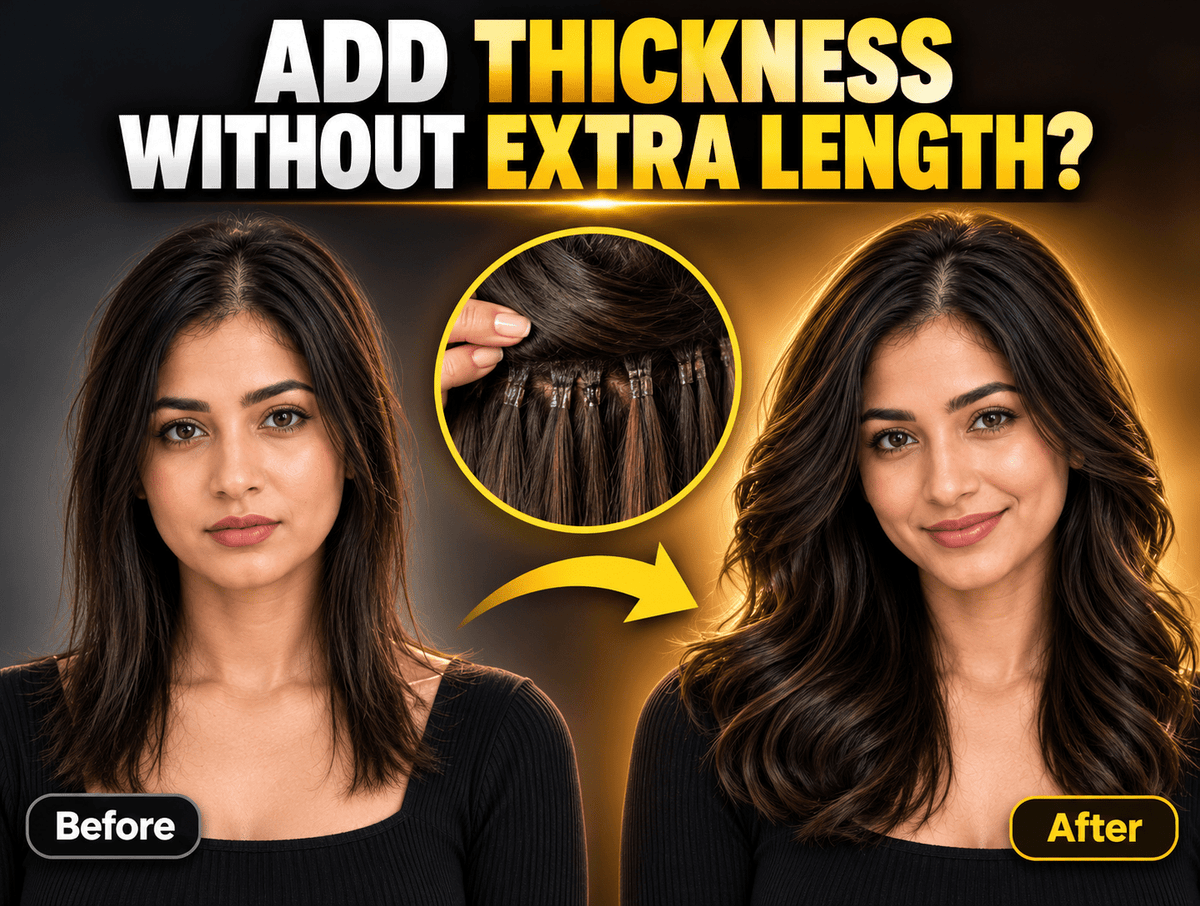
Can Permanent Hair Extensions Add Thickness Without Extra Length?
Not everyone wants longer hair. Sometimes, the goal is simply to make your existing hair look thicker, fuller, and more balanced. Many women notice thinning around the sides or ends while feeling s...
Read more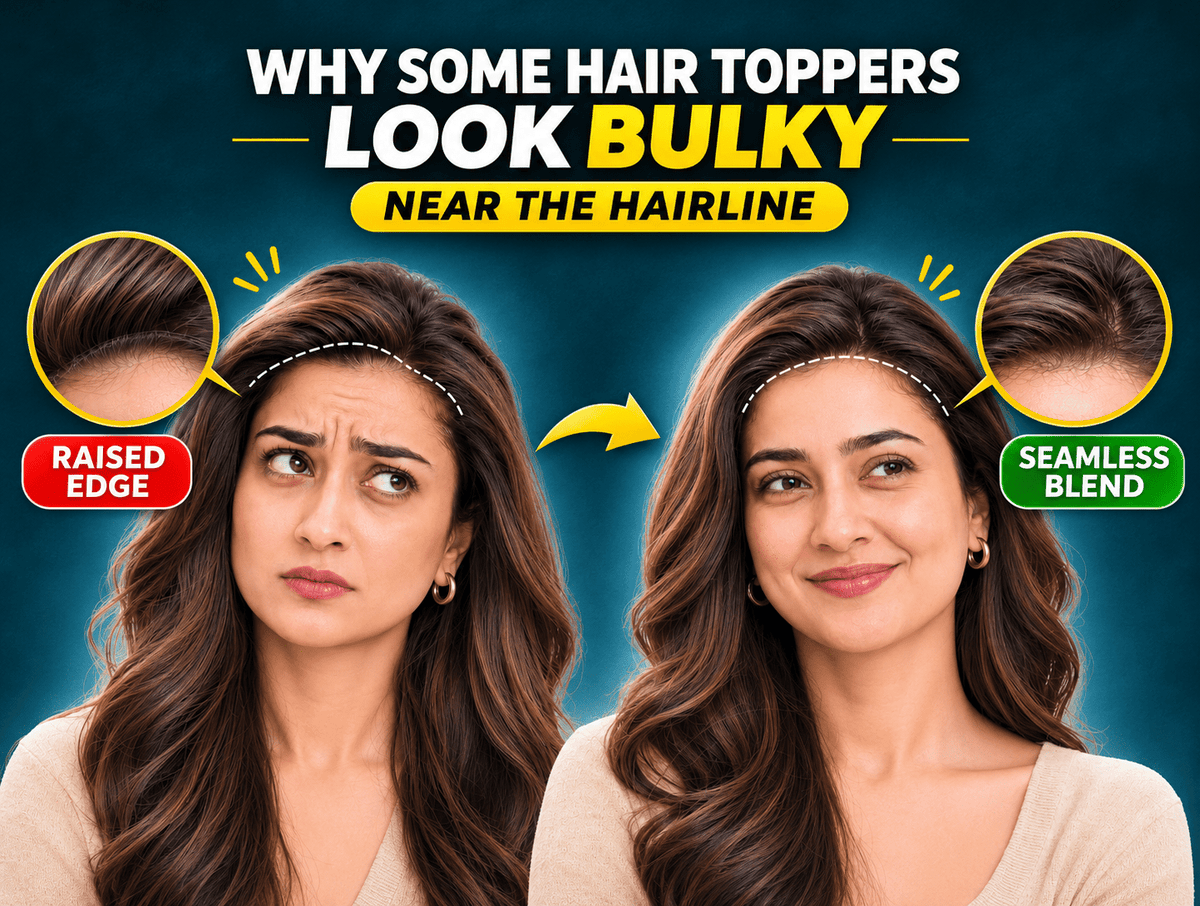
Why Do Some Hair Toppers Look Bulky Near the Hairline?
Hair toppers are designed to provide coverage and fullness in areas where natural hair has become thin, particularly around the parting and crown. However, some women notice that their hair topper ...
Read moreneed help?


Leave a comment
This site is protected by hCaptcha and the hCaptcha Privacy Policy and Terms of Service apply.