

How to Pick the Right Extensions for Thinning Hair – Expert Tips!

Thinning hair can affect your confidence slowly. You may notice your ponytail becoming thinner, your hair looking flat from the back, or your scalp showing more in photos.
Permanent hair extensions can help add volume, fullness, and length without the daily hassle of clip-ons. But thinning hair needs a careful approach because weak roots cannot handle every extension method.
The right extensions should blend naturally, feel comfortable, and protect your existing hair. The wrong method can look fake, feel heavy, or create more tension on your natural hair.
Why Thinning Hair Needs Care
Thinning hair is more delicate than naturally thick hair. When density is low, extensions need to be applied in a way that does not overload the roots.
Many women focus only on length or volume, but the real focus should be safety, comfort, and natural blending. More hair does not always mean a better result.
Before choosing permanent hair extensions, your natural hair condition should be checked properly. This helps avoid visible bonds, pulling, and discomfort.
- Check your natural hair density
- Understand your thinning pattern
- Avoid heavy extensions on weak roots
- Choose volume according to hair strength
- Focus on natural blending, not excess hair
- Get expert guidance before application
Understanding Extension Methods
There are different types of permanent hair extensions, and each method works differently. The most common options are tape-in, micro ring, nano ring, keratin bond, I-tip, and U-tip extensions.
Some methods are flatter and lighter, while others give stronger hold or more strand-by-strand movement. The best method depends on your natural hair and lifestyle.
For thinning hair, the method should not be selected only because it is trending. It should be selected based on root strength, density, comfort, and maintenance needs.
• Tape-ins can give soft volume
• Micro rings offer strand movement
• Nano rings are smaller and discreet
• Keratin bonds give longer hold
• I-tip extensions avoid heat bonding
• U-tip extensions offer secure attachment
Tape-In Extensions For Thinning Hair
Tape-in extensions are often preferred by women who want a flatter and more natural-looking finish. They are applied using thin adhesive panels that sit close to the scalp.
For thinning hair, tape-ins can work well when there is enough natural hair to cover the tapes. If the hair is too sparse, the tapes may become visible.
Placement is very important. Tape-ins should not be placed too close to weak or fragile areas because this can create pulling or discomfort.
- Good for soft back volume
- Flat and lightweight finish
- Suitable for everyday styling
- Needs enough hair coverage
- Requires regular refixing
- Should be applied carefully
Micro Ring And Nano Ring Extensions
Micro ring extensions use small beads to attach extension strands to natural hair. Nano rings are similar but smaller, making them more discreet.
These methods are popular because they do not use glue or heat. They also allow natural movement because extensions are placed strand by strand.
However, thinning hair must be assessed before using rings. If natural hair is weak, the beads may slip, pull, or feel uncomfortable over time.
- No glue is required
- No heat bonding is used
- Gives flexible movement
- Nano rings look more hidden
- Needs strong enough roots
- Requires regular adjustment
Keratin Bond, I-Tip And U-Tip
Keratin bond extensions are known for their secure and long-lasting finish. They are usually applied in small sections for a natural strand-by-strand look.
U-tip extensions use keratin tips attached with heat, while I-tip extensions are usually attached with beads. Both can create a natural result when done correctly.
For thinning hair, bond size and section weight matter a lot. Heavy bonds or poor placement can create unnecessary stress on natural hair.
- Gives long-lasting results
- Works well for fuller transformations
- Offers natural strand movement
- Needs expert application
- Should not overload weak roots
- Requires professional removal
How To Choose Naturally
The most natural-looking extensions are not just about the method. Colour, texture, density, placement, and haircut all decide how realistic the result looks.
For Indian hair, colour matching is especially important. Even a slight mismatch can show in sunlight, photos, or open hairstyles.
The goal should be to make your hair look fuller, not obviously extended. A natural result should make people notice better hair, not the extensions.
- Match colour correctly
- Match natural hair texture
- Avoid sudden heavy volume
- Blend with a proper haircut
- Keep density realistic
- Choose 100% human hair
Maintenance And Aftercare
Permanent extensions are long-lasting, but they are not maintenance-free. They need proper care to stay secure, smooth, and natural-looking.
As your natural hair grows, the extensions move lower. If maintenance is delayed, it can cause tangling, pulling, or visible gaps.
Aftercare should be explained before the service. This helps you understand washing, brushing, sleeping, styling, and maintenance appointments clearly.
- Brush gently every day
- Do not sleep with wet hair
- Avoid pulling near roots
- Use recommended products
- Follow refixing timelines
- Visit for regular maintenance
Final Expert Tips
Choosing permanent hair extensions for thinning hair should be done carefully. The right method can improve volume and confidence without making the hair look fake.
Avoid choosing extensions only by price, celebrity photos, or online trends. Your hair condition should decide the method, length, density, and placement.
A good extension result should feel comfortable, move naturally, and blend so well that it looks like your own hair.
- Do not choose very heavy hair
- Avoid cheap low-quality extensions
- Select a trained specialist
- Start with natural volume
- Prioritise comfort and safety
- Maintain extensions on time
Conclusion
Permanent hair extensions can be a beautiful solution for women with thinning hair, low volume, or flat-looking length. They can help create a fuller, more polished, and more confident look.
But every method is not suitable for every hair type. Tape-in, micro ring, nano ring, keratin bond, I-tip, and U-tip extensions all have different benefits and limitations.
The best result comes from choosing the right method for your natural hair condition, lifestyle, and maintenance comfort.
Don’t let hair loss hold you back! Call us 📞+91 9967123333 for personalized guidance and solutions designed to meet your unique needs. Take the step toward confidence today!
Not sure if extensions are right for your hair type?
Let our team help you choose the most natural and long-lasting option.
👉 [Click here to get expert guidance!]
Read more

What’s the Hidden Advantage of Human Hair Toppers Over Synthetic Ones?
When choosing between human hair toppers and synthetic ones, most people focus only on the appearance. But the real difference often shows up in everyday comfort, styling freedom, and how naturally...
Read more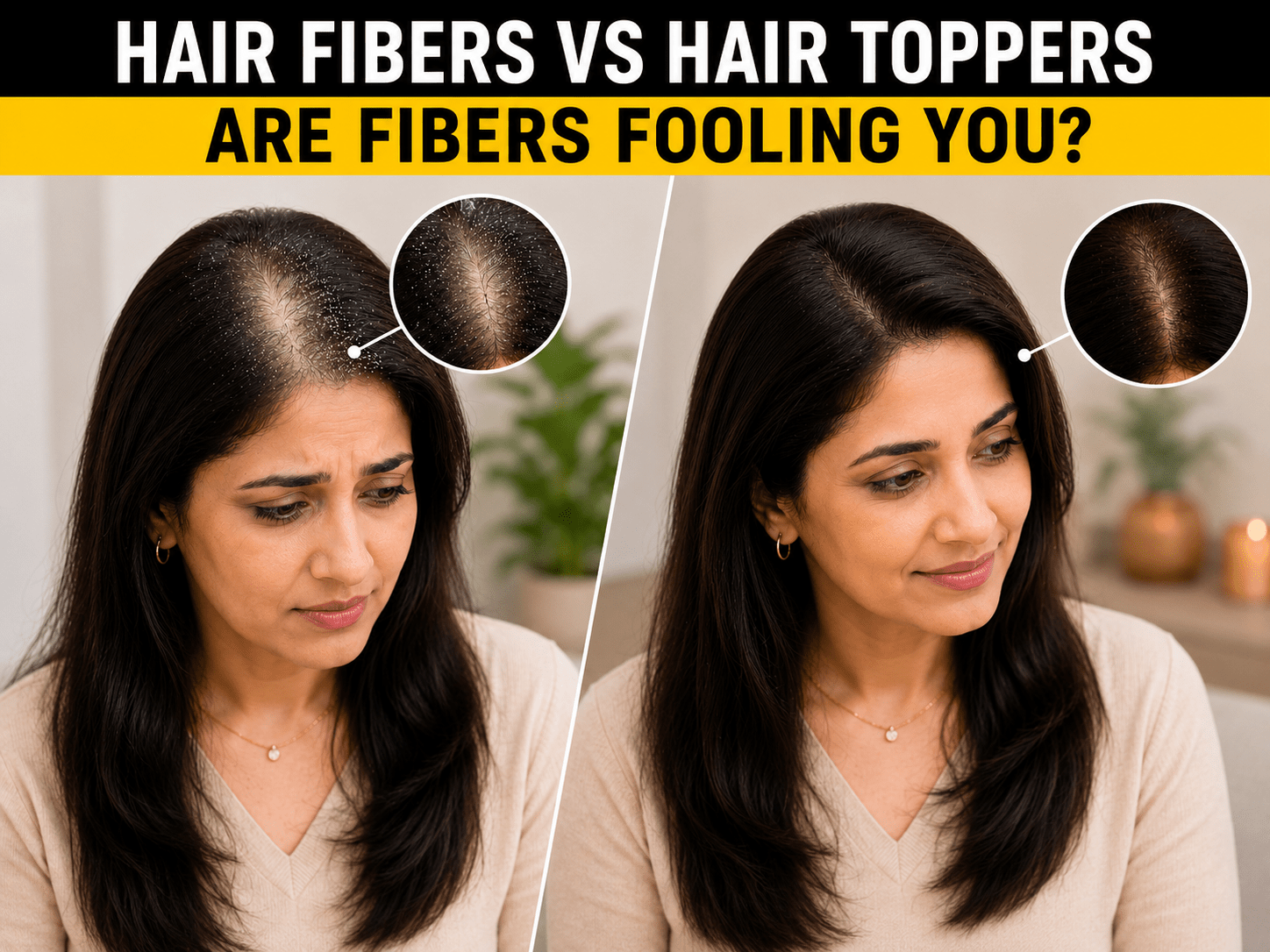
Data Doesn’t Lie: Toppers Beat Hair Fibers Every Time
Hair fibers may seem like a quick fix when your scalp starts showing near the crown or parting area. They are easy to apply and can give temporary coverage, but they do not add real volume, natural...
Read moreneed help?


7 comments
I was heartbroken because I had a very small manhood, not nice to satisfy a woman, I had so many relationships cut off because of my situation, I have used so many products which i found online but none could offer me the help I searched for. I saw some comments about this specialist called Dr Moses Buba and decided to email him at buba.herbalmiraclemmedicine@gmail.com so I decided to give his herbal product a try. i emailed him and he got back to me, he gave me some comforting words with his herbal pills for manhood Enlargement, Within 14 days of it, i began to feel the enlargement of my manhood, " and now it just 2 weeks of using his products my manhood is about 9 inches longer and i am so happy, contact DR Moses Buba now via email buba.herbalmiraclemmedicine@gmail.com or his Whatsapp number +2349046949685 . may God reward you for your good work.
HE ALSO RENDERED THE FOLLOWING …1. BRING YOUR EX BACK..2. LOTTERY SPELL.3. PREGNANCY SPELL .4. WEAK ERECTION 5. POOR EJACULATION……………
Ken Mike
https://mycanadafitness.com/ شركة كيان لنقل العفش
https://mycanadafitness.com/forum.html منتدي نقل العفش
https://mycanadafitness.com/movingfurnitureriyadh.html شركة نقل اثاث بالرياض
https://mycanadafitness.com/movingfurniturejaddah.html شركة نقل اثاث بجدة
https://mycanadafitness.com/movingfurnituremecca.html شركة نقل اثاث بمكة
https://mycanadafitness.com/movingfurnituretaif.html شركة نقل اثاث بالطائف
https://mycanadafitness.com/movingfurnituremadina.html شركة نقل اثاث بالمدينة المنورة
https://mycanadafitness.com/movingfurnituredammam.html شركة نقل اثاث بالدمام
https://mycanadafitness.com/movingfurniturekhobar.html شركة نقل اثاث بالخبر
https://mycanadafitness.com/movingfurnituredhahran.html شركة نقل اثاث بالظهران
https://mycanadafitness.com/movingfurniturejubail.html شركة نقل اثاث بالجبيل
https://mycanadafitness.com/movingfurnitureqatif.html شركة نقل اثاث بالقطيف
https://mycanadafitness.com/movingfurnitureahsa.html شركة نقل اثاث بالاحساء
https://mycanadafitness.com/movingfurniturekharj.html شركة نقل اثاث بالخرج
https://mycanadafitness.com/movingfurniturekhamismushit.html شركة نقل اثاث بخميس مشيط
https://mycanadafitness.com/movingfurnitureabha.html شركة نقل اثاث بابها
https://mycanadafitness.com/movingfurniturenajran.html شركة نقل اثاث بنجران
https://mycanadafitness.com/movingfurniturejazan.html شركة نقل اثاث بجازان
https://mycanadafitness.com/movingfurnitureasir.html شركة نقل اثاث بعسير
https://mycanadafitness.com/movingfurniturehail.html شركة نقل اثاث بحائل
https://mycanadafitness.com/movingfurnitureqassim.html شركة نقل عفش بالقصيم
https://mycanadafitness.com/movingfurnitureyanbu.html شركة نقل اثاث بينبع
https://mycanadafitness.com/movingfurnitureburaidah.html شركة نقل عفش ببريدة
https://mycanadafitness.com/movingfurniturehafralbatin.html شركة نقل عفش بحفر الباطن
https://mycanadafitness.com/movingfurniturerabigh.html شركة نقل عفش برابغ
https://mycanadafitness.com/movingfurnituretabuk.html شركة نقل عفش بتبوك
https://mycanadafitness.com/movingfurnitureasfan.html شركة نقل عفش بعسفان
https://mycanadafitness.com/movingfurnituresharora.html شركة نقل عفش بشرورة
https://mycanadafitness.com/companis-moving-riyadh.html شركات نقل العفش بالرياض
https://mycanadafitness.com/cars-moving-riyadh.html سيارات نقل العفش بالرياض
https://mycanadafitness.com/company-number-moving-riyadh.html ارقام شركات نقل العفش بالرياض
https://mycanadafitness.com/company-moving-jeddah.html شركات نقل العفش بجدة
https://mycanadafitness.com/price-moving-jeddah.html اسعار نقل العفش بجدة
https://mycanadafitness.com/company-moving-mecca.html شركات نقل العفش بمكة
اسعار نقل العفش بجدة
https://emc-mee.com/blog.html شركات نقل العفش
اهم شركات كشف تسربات المياه بالدمام كذلك معرض اهم شركة مكافحة حشرات بالدمام والخبر والجبيل والخبر والاحساء والقطيف كذكل شركة تنظيف خزانات بجدة وتنظيف بجدة ومكافحة الحشرات بالخبر وكشف تسربات المياه بالجبيل والقطيف والخبر والدمام
https://emc-mee.com/cleaning-company-yanbu.html شركة تنظيف بينبع
https://emc-mee.com/blog.html شركة نقل عفش
اهم شركات مكافحة حشرات بالخبر كذلك معرض اهم شركة مكافحة حشرات بالدمام والخبر والجبيل والخبر والاحساء والقطيف كذلك شركة رش حشرات بالدمام ومكافحة الحشرات بالخبر
https://emc-mee.com/anti-insects-company-dammam.html شركة مكافحة حشرات بالدمام
شركة تنظيف خزانات بجدة الجوهرة من افضل شركات تنظيف الخزانات بجدة حيث ان تنظيف خزانات بجدة يحتاج الى مهارة فى كيفية غسيل وتنظيف الخزانات الكبيرة والصغيرة بجدة على ايدى متخصصين فى تنظيف الخزانات بجدة
https://emc-mee.com/tanks-cleaning-company-jeddah.html شركة تنظيف خزانات بجدة
https://emc-mee.com/water-leaks-detection-isolate-company-dammam.html شركة كشف تسربات المياه بالدمام
https://emc-mee.com/ شركة الفا لنقل عفش واثاث
https://emc-mee.com/transfer-furniture-jeddah.html شركة نقل عفش بجدة
https://emc-mee.com/transfer-furniture-almadina-almonawara.html شركة نقل عفش بالمدينة المنورة
https://emc-mee.com/movers-in-riyadh-company.html شركة نقل اثاث بالرياض
https://emc-mee.com/transfer-furniture-dammam.html شركة نقل عفش بالدمام
https://emc-mee.com/transfer-furniture-taif.html شركة نقل عفش بالطائف
https://emc-mee.com/transfer-furniture-mecca.html شركة نقل عفش بمكة
https://emc-mee.com/transfer-furniture-yanbu.html شركة نقل عفش بينبع
https://emc-mee.com/transfer-furniture-alkharj.html شركة نقل عفش بالخرج
https://emc-mee.com/transfer-furniture-buraydah.html شركة نقل عفش ببريدة
https://emc-mee.com/transfer-furniture-khamis-mushait.html شركة نقل عفش بخميس مشيط
https://emc-mee.com/transfer-furniture-qassim.html شركة نقل عفش بالقصيم
https://emc-mee.com/transfer-furniture-tabuk.html شركة نقل عفش بتبوك
https://emc-mee.com/transfer-furniture-abha.html شركة نقل عفش بابها
https://emc-mee.com/transfer-furniture-najran.html شركة نقل عفش بنجران
https://emc-mee.com/transfer-furniture-hail.html شركة نقل عفش بحائل
https://emc-mee.com/transfer-furniture-dhahran.html شركة نقل عفش بالظهران
https://emc-mee.com/transfer-furniture-kuwait.html شركة نقل عفش بالكويت
https://emc-mee.com/price-transfer-furniture-in-khamis-mushit.html اسعار شركات نقل عفش بخميس مشيط
https://emc-mee.com/numbers-company-transfer-furniture-in-khamis-mushit.html ارقام شركات نقل عفش بخميس مشيط
https://emc-mee.com/new-company-transfer-furniture-in-khamis-mushit.html شركة نقل عفش بخميس مشيط جديدة
https://emc-mee.com/transfer-furniture-from-khamis-to-riyadh.html شركة نقل عفش من خميس مشيط الي الرياض
https://emc-mee.com/transfer-furniture-from-khamis-mushait-to-mecca.html شركة نقل عفش من خميس مشيط الي مكة
https://emc-mee.com/transfer-furniture-from-khamis-mushait-to-jeddah.html شركة نقل عفش من خميس مشيط الي جدة
https://emc-mee.com/transfer-furniture-from-khamis-mushait-to-medina.html شركة نقل عفش من خميس مشيط الي المدينة المنورة
https://emc-mee.com/best-10-company-transfer-furniture-khamis-mushait.html افضل 10 شركات نقل عفش بخميس مشيط
https://emc-mee.com/%D8%B4%D8%B1%D9%83%D9%87-%D9%86%D9%82%D9%84-%D8%B9%D9%81%D8%B4-%D8%A8%D8%AC%D8%AF%D9%87.html
https://emc-mee.com/%D8%B4%D8%B1%D9%83%D8%A9-%D9%86%D9%82%D9%84-%D8%A7%D8%AB%D8%A7%D8%AB-%D8%A8%D8%AC%D8%AF%D9%87.html
شركة نقل عفش من خميس مشيط الي الرياض
http://www.domyate.com/2019/08/27/transfer-furniture-north-riyadh/ نقل عفش شمال الرياض
http://www.domyate.com/2019/09/05/movers-company-khamis-mushait/ شركات نقل عفش بخميس مشيط
http://www.domyate.com/2019/09/05/10-company-transfer-furniture-khamis-mushait/ شركة نقل العفش بخميس مشيط
http://www.domyate.com/2019/09/05/all-transfer-furniture-khamis-mushait/ شركات نقل اثاث بخميس مشيط
http://www.domyate.com/2019/09/05/best-company-transfer-furniture-khamis-mushit/ افضل شركات نقل اثاث بخميس مشيط
http://www.domyate.com/2019/09/05/company-transfer-furniture-khamis-mushit/ شركات نقل اثاث بخميس مشيط
http://www.domyate.com/category/%D9%86%D9%82%D9%84-%D8%B9%D9%81%D8%B4-%D8%AC%D8%AF%D8%A9/ نقل عفش جدة
http://www.domyate.com/2019/09/25/movers-furniture-from-jeddah-to-jordan/ نقل عفش من جدة الي الاردن
http://www.domyate.com/2019/10/03/price-cleaning-tanks-in-jeddah/ اسعار شركات تنظيف خزانات بجدة
http://www.domyate.com/2019/09/25/movers-furniture-from-jeddah-to-egypt/ نقل عفش من جدة الي مصر
http://www.domyate.com/2019/09/24/movers-furniture-from-jeddah-to-lebanon/ نقل عفش من جدة الي لبنان
http://www.domyate.com/2019/09/22/%d8%a3%d9%86%d8%ac%d8%ad-%d8%b4%d8%b1%d9%83%d8%a7%d8%aa-%d9%86%d9%82%d9%84-%d8%a7%d8%ab%d8%a7%d8%ab-%d8%a8%d8%ac%d8%af%d8%a9/ شركات نقل اثاث بجدة
http://www.domyate.com/2019/09/22/best-company-movers-jeddah/ افضل شركات نقل اثاث جدة
http://www.domyate.com/2019/09/22/company-transfer-furniture-yanbu/ شركات نقل العفش بينبع
http://www.domyate.com/2019/09/21/taif-transfer-furniture-company/ شركة نقل عفش في الطائف
http://www.domyate.com/2019/09/21/%d8%b4%d8%b1%d9%83%d8%a7%d8%aa-%d9%86%d9%82%d9%84-%d8%a7%d9%84%d8%b9%d9%81%d8%b4/ شركات نقل العفش
http://www.domyate.com/2019/09/21/%d8%b7%d8%b1%d9%82-%d9%86%d9%82%d9%84-%d8%a7%d9%84%d8%b9%d9%81%d8%b4/ طرق نقل العفش
http://www.domyate.com/2019/09/20/%d8%ae%d8%b7%d9%88%d8%a7%d8%aa-%d9%86%d9%82%d9%84-%d8%a7%d9%84%d8%b9%d9%81%d8%b4-%d9%88%d8%a7%d9%84%d8%a7%d8%ab%d8%a7%d8%ab/ خطوات نقل العفش والاثاث
http://www.domyate.com/2019/09/20/best-10-company-transfer-furniture/ افضل 10 شركات نقل عفش
http://www.domyate.com/2019/09/20/%d9%83%d9%8a%d9%81-%d9%8a%d8%aa%d9%85-%d8%a7%d8%ae%d8%aa%d9%8a%d8%a7%d8%b1-%d8%b4%d8%b1%d9%83%d8%a7%d8%aa-%d9%86%d9%82%d9%84-%d8%a7%d9%84%d8%b9%d9%81%d8%b4-%d9%88%d8%a7%d9%84%d8%a7%d8%ab%d8%a7%d8%ab/ اختيار شركات نقل العفش والاثاث
http://www.domyate.com/2019/09/20/cleaning-company-house-taif/ شركة تنظيف منازل بالطائف
http://www.domyate.com/2019/09/20/company-cleaning-home-in-taif/ شركة تنظيف شقق بالطائف
http://www.domyate.com/2019/09/20/taif-cleaning-company-villas/ شركة تنظيف فلل بالطائف
http://www.domyate.com/ شركة نقل عفش
http://www.domyate.com/2017/09/21/%D9%86%D9%82%D9%84-%D8%A7%D9%84%D8%B9%D9%81%D8%B4-%D9%88%D8%A7%D9%84%D8%AA%D8%AE%D8%B2%D9%8A%D9%86/ نقل العفش والتخزين
http://www.domyate.com/2016/07/02/transfer-furniture-dammam شركة نقل عفش بالدمام
http://www.domyate.com/2015/11/12/%D8%B4%D8%B1%D9%83%D8%A9-%D9%86%D9%82%D9%84-%D8%B9%D9%81%D8%B4-%D8%A8%D8%A7%D9%84%D9%85%D8%AF%D9%8A%D9%86%D8%A9-%D8%A7%D9%84%D9%85%D9%86%D9%88%D8%B1%D8%A9/ شركة نقل عفش بالمدينة المنورة
http://www.domyate.com/2016/06/05/transfer-furniture-jeddah/ شركة نقل عفش بجدة
http://www.domyate.com/2017/08/10/movers-company-mecca-naql/ شركات نقل العفش بمكة
http://www.domyate.com/2016/06/05/transfer-furniture-mecca/ شركة نقل عفش بمكة
http://www.domyate.com/2016/06/05/transfer-furniture-taif/ شركة نقل عفش بالطائف
http://www.domyate.com/2016/06/05/transfer-furniture-riyadh/ شركة نقل عفش بالرياض
http://www.domyate.com/2016/06/05/transfer-furniture-yanbu/ شركة نقل عفش بينبع
http://www.domyate.com/category/%D8%AE%D8%AF%D9%85%D8%A7%D8%AA-%D9%86%D9%82%D9%84-%D8%A7%D9%84%D8%B9%D9%81%D8%B4-%D9%88%D8%A7%D9%84%D8%AA%D8%AE%D8%B2%D9%8A%D9%86/ نقل العفش والتخزين
http://www.domyate.com/2015/08/30/furniture-transport-company-in-almadinah/ شركة نقل عفش بالمدينة المنورة
http://www.domyate.com/2016/06/05/transfer-furniture-medina-almonawara/ شركة نقل عفش بالمدينة المنورة
http://www.domyate.com/2018/10/13/%D9%86%D9%82%D9%84-%D8%B9%D9%81%D8%B4-%D8%AC%D8%AF%D8%A9-%D8%B4%D8%B1%D9%83%D8%A7%D8%AA-%D9%86%D9%82%D9%84-%D9%85%D9%85%D9%8A%D8%B2%D8%A9/ نقل عفش بجدة
http://www.domyate.com/2016/07/22/%d8%a7%d8%b1%d8%ae%d8%b5-%d8%b4%d8%b1%d9%83%d8%a9-%d9%86%d9%82%d9%84-%d8%b9%d9%81%d8%b4-%d8%a8%d8%a7%d9%84%d9%85%d8%af%d9%8a%d9%86%d8%a9-%d8%a7%d9%84%d9%85%d9%86%d9%88%d8%b1%d8%a9/ ارخص شركة نقل عفش بالمدينة المنورة
http://www.domyate.com/2016/07/25/%D8%B4%D8%B1%D9%83%D8%A9-%D9%86%D9%82%D9%84-%D8%B9%D9%81%D8%B4-%D8%A8%D8%A7%D9%84%D9%82%D8%B5%D9%8A%D9%85/ شركة نقل عفش بالقصيم
http://www.domyate.com/2016/07/25/%D8%B4%D8%B1%D9%83%D8%A9-%D9%86%D9%82%D9%84-%D8%B9%D9%81%D8%B4-%D8%A8%D8%AE%D9%85%D9%8A%D8%B3-%D9%85%D8%B4%D9%8A%D8%B7/ شركة نقل عفش بخميس مشيط
http://www.domyate.com/2016/07/25/%D8%B4%D8%B1%D9%83%D8%A9-%D9%86%D9%82%D9%84-%D8%B9%D9%81%D8%B4-%D8%A8%D8%A7%D8%A8%D9%87%D8%A7/ شركة نقل عفش بابها
http://www.domyate.com/2016/07/23/%D8%B4%D8%B1%D9%83%D8%A9-%D9%86%D9%82%D9%84-%D8%B9%D9%81%D8%B4-%D8%A8%D8%AA%D8%A8%D9%88%D9%83/ شركة نقل عفش بتبوك
شركة نقل عفش بالمدينة المنورة
https://disqus.com/by/disqus_GmcB86LNgD/about/
https://www.divephotoguide.com/user/moverjazan
https://myspace.com/moverjazan
https://letterboxd.com/Jazan11/
https://www.indiegogo.com/individuals/38578323
https://www.thelaw.com/members/moverjazan.140484/#about
https://www.mightycause.com/profile/mjjkpf
https://www.diggerslist.com/681c78577f796/about
https://www.ted.com/profiles/49414551
https://lichess.org//moverjazan https://talk.plesk.com/members/jazan.419328/#about https://hashnode.com/moverjazan
https://lichess.org//moverjazan11 https://www.mobafire.com/profile/jazan-1194465?profilepage https://myanimelist.net/profile/Jazan11 https://www.noteflight.com/profile/1ed48c96bbdfffb7417c2746356dee1d40d657cb https://www.designspiration.com/leyan1362023/saves/ https://spinninrecords.com/profile https://scioly.org/forums/memberlist.php?mode=viewprofile&u=157717 https://www.instructables.com/member/moverjazan/?cb=1747239321506 https://qiita.com/Jazan111 https://www.wonderhowto.com/settings/profile/ https://speakerdeck.com/asasdchchd https://mastodon.social/Jazan
https://www.producthunt.com/companies https://www.scca.com/users/8700402/videos https://www.openstreetmap.org/user/Jazan ezistreet.com/profile/jazan/about/preferences/ https://therabbitroom.kindful.com/dashboard https://www.divephotoguide.com/user/moverjazan11222 https://www.magcloud.com/account https://www.hackerearth.com/leyan1362023/
https://www.gta5-mods.com/users/companies
https://triberr.com/moverjazan
https://www.custommagnums.com/members/jazan.172153/
https://audiomack.com/jazan
https://pastebin.com/u/Jazan11
http://profiles.delphiforums.com/n/pfx/profile.aspx?webtag=dfpprofile000&userId=1891257552
https://app.giveffect.com/users/1608512-jazan
شركة نقل اثاث بعسير
https://disqus.com/by/disqus_d3gjkohn1L/about/
https://www.divephotoguide.com/user/Yanbu/
https://myspace.com/company.in.yanbu
https://letterboxd.com/yanbu11/
https://www.mightycause.com/profile/t8zo2f
https://www.diggerslist.com/680f3e4976f84/about
https://www.ted.com/profiles/49357932
https://lichess.org//Yanb https://talk.plesk.com/members/yanbu.416335/#abou https://www.indiegogo.com/individuals/38565807 https://hashnode.com/Company11
https://lichess.org//Yanbu https://www.mobafire.com/profile/yanbu11-1194053?profilepage https://myanimelist.net/profile/Yanbu https://www.noteflight.com/profile/d01b0aa45483c6a4ecfe8cf31fecd8c33c3f22a4 https://www.designspiration.com/leen1362023/saves/ https://spinninrecords.com/profile https://www.instructables.com/member/Yanbu/?cb=1745873769929 https://scioly.org/forums/memberlist.php?mode=viewprofile&u=157329 https://pastebin.com/u/Yanbu/comments https://www.gta5-mods.com/users/Yanbu https://www.divephotoguide.com/user/Yanbu/ https://audiomack.com/yanbu https://www.magcloud.com/account https://www.diggerslist.com/680f3e4976f84/about https://speakerdeck.com/yanbu https://triberr.com/Company11 https://www.hackerearth.com/leen1362023/
https://mastodon.social/Yanbu https://www.producthunt.com/company111
https://hub.docker.com/u/yanbu11?gl=1*1wb44oo*_ga*Mzc5ODI2MC4xNzQ2MjY4NzYz*_ga_XJWPQMJYHQ*czE3NDYyNjg3NjIkbzEkZzEkdDE3NDYyNjg5NjckajYkbDAkaDA.
https://www.custommagnums.com/members/yanbu.172085/
https://sketchfab.com/Yanbu
https://www.ezistreet.com/profile/yanbu/about
https://therabbitroom.kindful.com/dashboard
https://www.wonderhowto.com/settings/personal/
https://www.warriorforum.com/members/Yanbu.html?utm_source=internal&utm_medium=user-menu&utmcampaign=user-profile
https://www.behance.net/yanbucompany
https://qiita.com/Yanbu11
https://www.scca.com/account
http://profiles.delphiforums.com/n/pfx/profile.aspx?webtag=dfpprofile000&userId=1891255966
https://app.zintro.com/profile/yanbu?ref=Yanbu
https://www.openstreetmap.org/user/Yanbu%20111
https://app.giveffect.com/users/1601264-company
شركة نقل عفش برابغ
https://www.atar-almadinah.com/%D8%B4%D8%B1%D9%83%D8%A9-%D8%AA%D8%AE%D8%B2%D9%8A%D9%86-%D8%B9%D9%81%D8%B4-%D8%A8%D8%A7%D8%A8%D9%87%D8%A7.html
https://www.atar-almadinah.com/%D8%B4%D8%B1%D9%83%D8%A9-%D8%AA%D8%BA%D9%84%D9%8A%D9%81-%D8%A7%D9%84%D8%B9%D9%81%D8%B4-%D8%A8%D8%A7%D8%A8%D9%87%D8%A7.html
https://www.atar-almadinah.com/%D8%B4%D8%B1%D9%83%D8%A9-%D8%AA%D8%BA%D9%84%D9%8A%D9%81-%D8%A7%D8%AB%D8%A7%D8%AB-%D8%A8%D8%A7%D9%84%D8%B1%D9%8A%D8%A7%D8%B6.html
https://www.atar-almadinah.com/%D8%B4%D8%B1%D9%83%D8%A9-%D8%A7%D9%84%D8%B5%D9%81%D8%B1%D8%A7%D8%AA-%D9%84%D9%86%D9%82%D9%84-%D8%A7%D9%84%D8%B9%D9%81%D8%B4-%D8%A8%D8%A7%D9%84%D8%B1%D9%8A%D8%A7%D8%B6.html
https://www.atar-almadinah.com/%D8%B4%D8%B1%D9%83%D8%A9-%D9%86%D9%82%D9%84-%D8%B9%D9%81%D8%B4-%D8%A8%D8%A7%D8%AD%D8%AF-%D8%B1%D9%81%D9%8A%D8%AF%D8%A9.html
https://www.atar-almadinah.com/%D8%A7%D8%B1%D8%AE%D8%B5-%D8%B4%D8%B1%D9%83%D8%A7%D8%AA-%D9%86%D9%82%D9%84-%D8%B9%D9%81%D8%B4-%D8%A8%D9%8A%D9%86-%D8%A7%D9%84%D9%85%D8%AF%D9%86.html
شركة جلي بلاط بالقطيف
Leave a comment
This site is protected by hCaptcha and the hCaptcha Privacy Policy and Terms of Service apply.