

Do Wigs Cause More Hair Loss? Debunking Common Myths
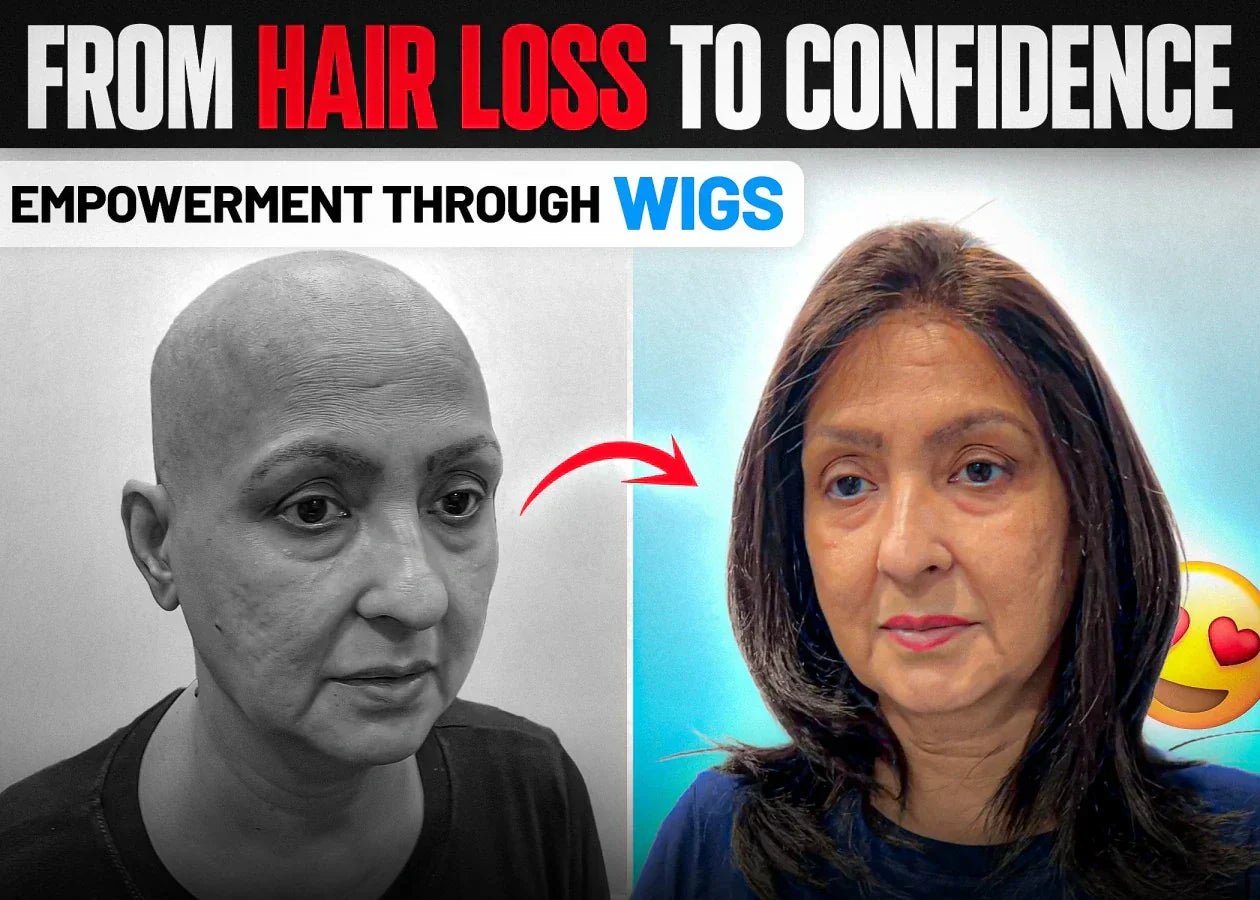
Hair loss is already an emotionally sensitive experience. When someone is dealing with thinning hair or sudden hair fall, every decision starts to feel risky. Even small choices, what products to use, how to style hair, or whether to cover the scalp, begin to carry fear and hesitation. This is why the question “Do wigs cause more hair loss?” creates so much anxiety.
Many women hesitate to wear wigs because they worry that doing so might worsen their hair loss, damage their scalp, or interfere with future hair growth. These fears are understandable, especially when hair loss already feels out of control. This blog is written to address those concerns calmly and clearly, by explaining what wigs actually do, what they do not do, and why this myth continues to exist despite medical evidence.
|
Table of Contents |
Why People Believe Wigs Cause Hair Loss
The belief that wigs cause hair loss did not appear without reason. It developed gradually over time due to a mix of negative experiences, outdated wig designs, and lack of accurate information about how hair growth actually works.
In earlier years, wigs were often:
- Heavy and uncomfortable to wear for long hours
- Poorly ventilated, causing heat and irritation
- Made with rough synthetic materials that created friction
- Worn without proper sizing or professional guidance
When people noticed continued hair fall while wearing such wigs, it was easy to assume the wig was the cause. In reality, hair loss was often already progressing due to internal reasons, but the wig became the most visible and immediate factor to blame. Over time, these individual experiences turned into a widely accepted belief, even though it lacked medical backing.
What Actually Causes Hair Loss (And Why Wigs Are Blamed)
Hair loss almost always occurs due to internal or medical reasons, not because of something worn on the scalp.
Common causes of hair loss include:
- Genetics and hormonal changes
- Physical or emotional stress
- Illness, fatigue, or major health changes
- Medical treatments or medications
- Nutritional deficiencies
- Natural hair growth and shedding cycles
Hair follicles are located beneath the scalp skin and are nourished by blood circulation. They are not affected by air exposure or surface coverings. A wig rests on the scalp’s surface and does not interfere with these biological processes. However, because wigs are often introduced during periods of noticeable hair loss, they are wrongly blamed when shedding continues.
Common Myths About Wigs and Hair Loss (Debunked)
There are three major myths that create most of the fear around wigs and hair loss. Addressing them clearly helps remove unnecessary anxiety.
-
Myth: Wigs Pull Hair Out From the Roots
Many people believe that wigs physically tug at hair roots and weaken follicles over time.
-
The reality:
A properly fitted wig distributes its weight evenly across the scalp. It does not pull hair from the roots or damage follicles. Hair loss at the root level is driven by hormonal, genetic, or medical factors, not by a wig sitting on the scalp.
-
Myth: Wigs Suffocate the Scalp
Another common belief is that the scalp needs to “breathe” for hair to grow and that wigs block this process.
-
The reality:
Hair follicles receive oxygen and nutrients through blood vessels beneath the skin, not from air exposure. Covering the scalp does not stop or slow hair growth. This is why hair continues to grow even under hats, scarves, or during long periods of scalp coverage.
-
Myth: Wearing a Wig Prevents Hair From Growing Back
This myth is especially frightening for people experiencing temporary hair loss.
-
The reality:
Hair regrowth depends on the cause of hair loss, the completion of treatment, and individual recovery. Wigs do not interfere with the hair growth cycle and do not prevent regrowth. If hair takes time to return, it is because the body is still healing internally.
Medical Perspective: Can Wigs Damage Hair Follicles?
From a dermatological point of view, wigs are considered safe when worn correctly.
Medical professionals agree that:
- Wigs do not damage hair follicles
- Wigs do not cause permanent hair loss
- Wigs do not interrupt the natural hair growth cycle
In fact, wigs are often encouraged in situations of hair loss because they reduce emotional stress. Stress itself is a known contributor to hair fall, and reducing anxiety can indirectly support better hair and scalp health.
When Wigs Can Cause Temporary Issues (Not Hair Loss)
Although wigs do not cause hair loss, improper usage can sometimes lead to temporary discomfort.
This may happen when:
- A wig is worn too tightly for long periods
- Low-quality materials create repeated friction
- Strong adhesives are used incorrectly or too frequently
- Scalp hygiene is neglected
These situations may cause itching, redness, sensitivity, or temporary hair breakage. Importantly, these effects are reversible and do not damage hair follicles or lead to permanent hair loss.
Why Wigs Are Often Safer Than Everyday Hairstyles
Many everyday hairstyles actually put more stress on hair than wigs do.
Examples include:
- Tight ponytails or buns worn daily
- Braids kept in for long periods
- Hair extensions that constantly pull on roots
- Frequent heat styling or chemical treatments
A properly worn wig avoids constant tension and reduces the need for styling natural hair. This allows the scalp and hair to rest, which can be especially helpful during periods of active hair loss.
The Emotional Cost of Believing Wig Myths
The greatest harm caused by wig myths is emotional rather than physical.
Fear and misinformation often lead to:
- Avoiding social situations
- Loss of confidence and self esteem
- Increased anxiety and emotional stress
- Delayed emotional recovery
Wigs are not about hiding hair loss. For many women, they are about regaining confidence, dignity, and a sense of control during an already challenging time.
Final Verdict: Do Wigs Cause More Hair Loss?
No, wigs do not cause more hair loss.
Hair loss is driven by internal factors such as genetics, hormones, medical conditions, or stress, not by wearing a wig. A properly fitted wig sits on the scalp’s surface and does not damage hair follicles or interfere with the natural hair growth cycle.
Wigs are often blamed because they are introduced during periods of active hair loss, making the timing misleading. In reality, shedding would continue with or without the wig. When worn correctly, wigs can even reduce stress on natural hair by limiting tight hairstyles, heat styling, and repeated manipulation.
In short, wigs are safe when chosen and worn properly. The real issue isn’t wigs, it’s misinformation.
Call us 📞+91 9967123333 today for personalized guidance on hair loss solutions! Let our experts help you discover what works best for your unique needs and goals.
Don’t wait to take the first step toward your perfect hair solution now! 👉 [Fill out this quick form] and get expert advice tailored just for you.
Read more
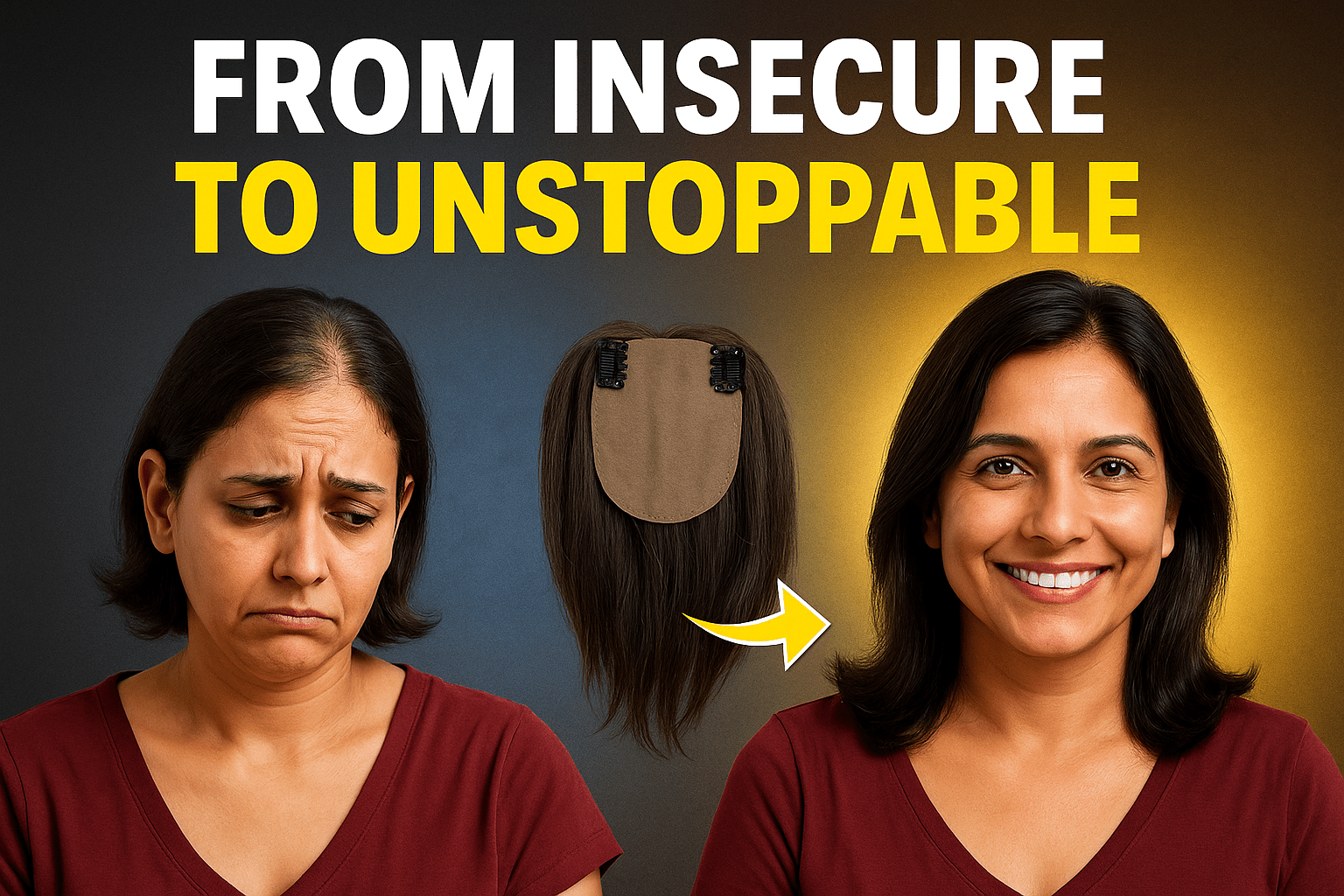
Struggling with Hair Thinning Before a Big Event? Read This First
A big event has a way of bringing every insecurity to the surface, and for many women, hair thinning becomes the loudest one of all. On ordinary days, it may feel manageable, you adjust your partin...
Read more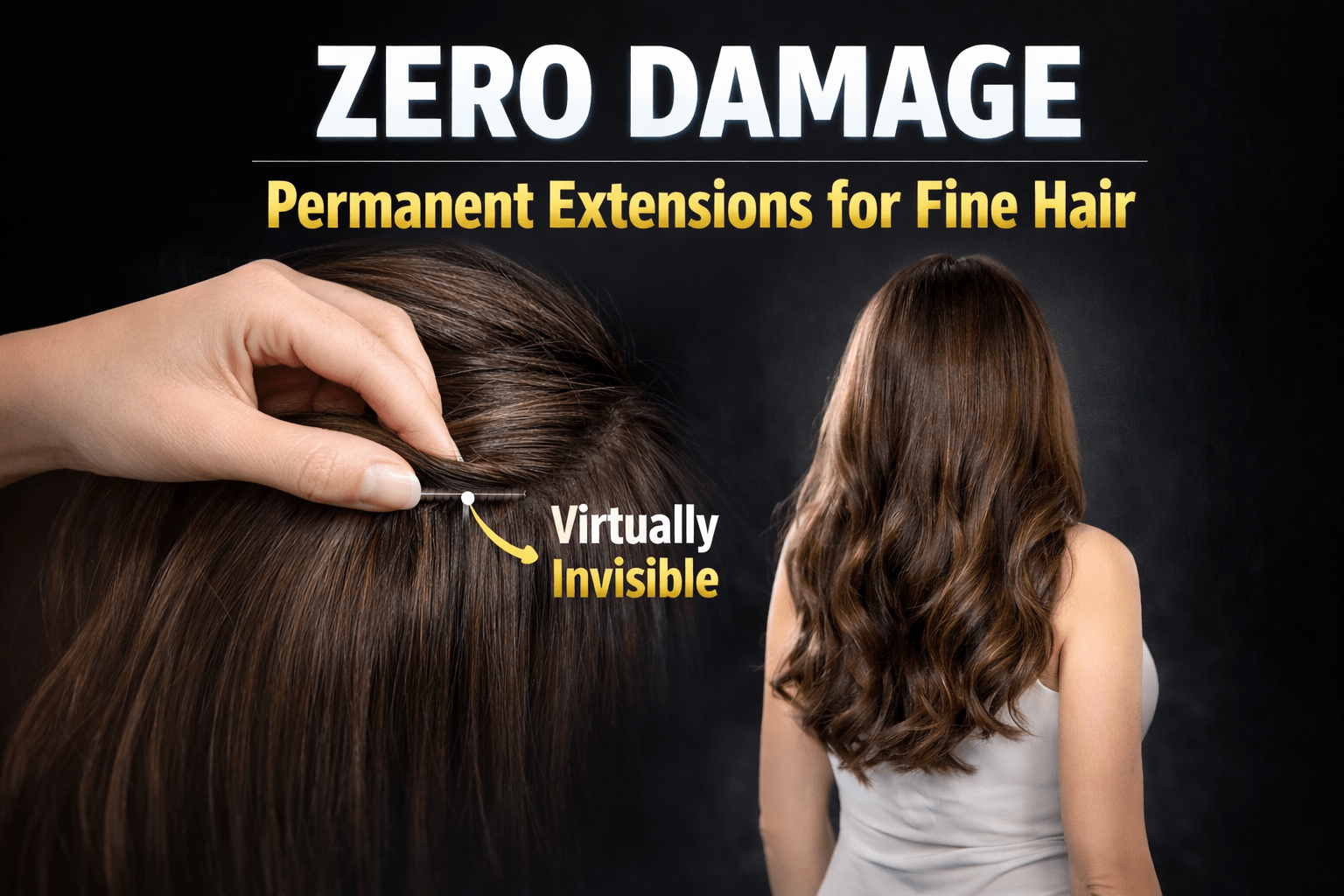
Permanent Hair Extensions That Won’t Weigh Down Already Thin Hair
For women with thin or thinning hair, weight is the real enemy.Not length.Not volume.Not even hair extensions themselves. The biggest fear when considering permanent hair extensions for thin hair i...
Read moreneed help?


1 comment
Cryptocurrency Scam Recovery Services | Visit Alpha Recovery Experts
Choosing services of a professional crypto recovery specialists, Alpha Recovery Experts can have some key advantages when dealing with issues related to scammed funds recovery. Such services require experts with vast knowledge of blockchain technology and cryptography, which increases the possibility of a successful recovery process.
Alpha Recovery Experts possess specialized tools and techniques to navigate complex recovery processes expeditiously. Additionally, knowing that Alpha Recovery Experts team is highly experienced to manage the retrieval process can bring peace of mind to those victimized with potential loss due to fraudulent investment websites.
How to recover my losses from trading? Can you recover lost Bitcoins or Ethereum? How to recover my lost crypto?
What is the best recovery company to help me recover my stolen Bitcoins? How can I recover stolen Crypto Assets? Can a hacked crypto be recovered?
Contact: Website: Alpharecoveryexperts.com
Email: (Alpharecoveryexpert@consultant.com)
Laura Cess
Leave a comment
This site is protected by hCaptcha and the hCaptcha Privacy Policy and Terms of Service apply.